
The Craft of Custom Cutting in a Halal Kitchen
In Naperville, the difference between an average dinner and a memorable one often comes down to the conversation you have with your butcher. A skilled halal butcher does more than hand you a wrapped package; they translate your recipe into dimensions, textures, and ratios. They choose a seam to follow on a chuck roast so cubes brown evenly for curry. They measure lamb chops to the thickness that matches your grill’s sweet spot. They trim chicken so it cooks fast on a weeknight but stays juicy. For those of us who cook Zabiha at home, a great local butcher turns intention into results, and that partnership starts the moment you describe what you are making with halal meat.
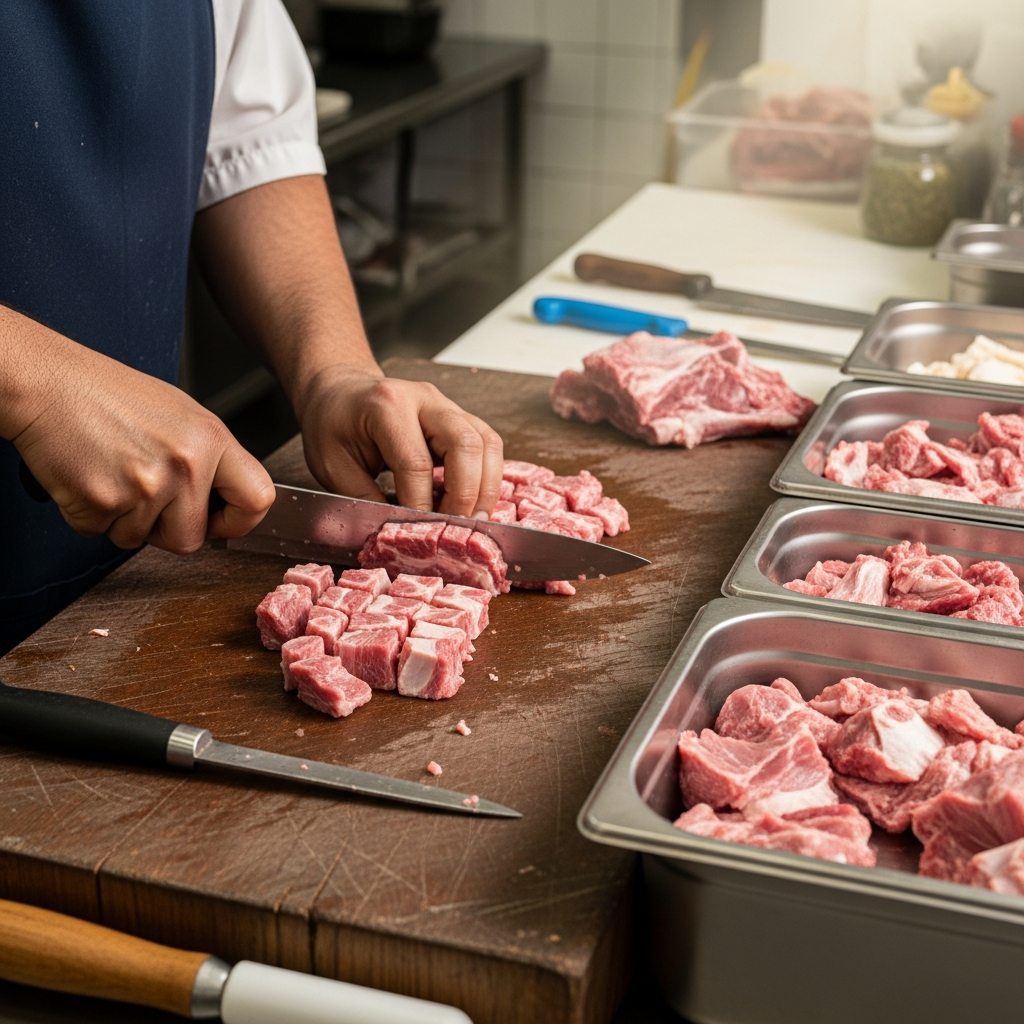
Custom cutting is a practical art. It involves reading the muscle grain, managing fat, and making decisions about bone-in versus boneless that shape how heat moves through the meat. In a Naperville shop, you can watch the craft unfold: the calm pace at the block, the quick consultation before a cut, and the way a butcher pauses to weigh whether you’ll get a cleaner sear from a slightly thicker slice. These micro-choices are where good meals become great ones.
When I ask for a lamb shoulder destined for slow braise, I like the pieces cut into even, generous cubes—large enough to hold structure after hours on the stove, small enough to take on spice and sauce. If I’m planning kofta, I request a coarse grind with a touch of extra fat blended from a well-marbled section. For goat curry, I want bone-in pieces with cleanly cut edges to release marrow without scattering shards. Each request is a shorthand between cook and butcher, refined over time until it becomes second nature.
Why Thickness, Trim, and Bones Matter
Thickness is a dial that controls texture. A lamb chop just under an inch thick gives you a perfect balance: enough time on the grill to build a crust without overshooting the center. Chicken breasts pounded gently to even thickness cook quickly and stay tender. Beef steaks cut slightly thicker can rest longer, letting juices redistribute for a more forgiving slice. Trim is the other dial. Leaving a modest fat cap on a roast protects it during a long cook, while a leaner trim makes sense for a quick sauté. Bones, finally, are flavor anchors. Bone-in cuts contribute depth to sauces and hold moisture through long simmers, while boneless cuts excel when you need speed and precision.
In Naperville, custom cuts also solve household realities. If you’re splitting meals for kids and adults, your butcher can portion chicken into a mix of drumsticks and thighs for the grill while setting aside breasts for a skillet dinner. If you own a compact grill behind a townhome near downtown, thinner skewers and smaller cubes cook more evenly over modest heat. And if you’re feeding a crowd in South Naperville, thicker steaks and larger lamb chops help you manage a busy grill without sacrificing doneness on the edges.
From Counter to Kitchen: Putting Custom Cuts to Work
Once you have the cut you need, cooking becomes simpler. Even cubes brown evenly, sauces reduce predictably, and meats rest to a consistent finish. I like to plan menus around the cut’s strengths. For example, boneless beef cubes sear quickly and make a bright weeknight curry with tomatoes and ginger. Bone-in goat pieces enrich a weekend stew that simmers while you catch a soccer match at Commissioners Park. Butterflied leg of lamb, trimmed and scored, takes a garlicky herb marinade and roasts beautifully for guests driving in from Bolingbrook or Lisle.
Marinades should complement the cut rather than mask it. A yogurt-based blend cushions lean chicken, while a rosemary and garlic paste flatters lamb without overpowering it. For beef, I often keep it simple—salt, cracked pepper, and a quick spice bloom in ghee—so the natural flavor carries through. And always remember the rest: five to ten minutes off heat turns a good slice into a juicy one.
Communication Is the Secret Ingredient
The most valuable phrase at the counter is, “Here’s how I’m cooking it.” When your butcher hears that you’re braising for hours, they’ll steer you toward marbled cuts with connective tissue. If you’re skewering for a party near the Riverwalk, they’ll size the cubes so they char without drying. If you’re pan-searing on a weeknight, they’ll suggest a thickness that keeps dinner on schedule. Good butchers in Naperville thrive on these conversations because they take pride in seeing your meal succeed.
Timing matters, too. If you plan a Saturday feast, swing by or place your order on Thursday. That window lets the shop align with delivery schedules, set aside ideal primals, and cut your meat to spec without rush. For Eid and other holidays, more lead time ensures your exact requests—thick shanks, special grinds, bones for stock—are waiting when you arrive. This advance planning reduces stress in the kitchen and elevates the final plate.
Shopping Patterns that Support Custom Work
Naperville’s after-work rush is real. If you want detailed cutting, aim for mid-morning or midafternoon visits when the counter is calmer. The butcher can linger on your order, trim carefully, and package thoughtfully. Over time, regulars build a rhythm: a monthly stock-up for freezer staples cut to family-friendly portions, plus weekly visits for fresh items. I keep a small notebook on my phone with my preferred specs—grind size for kofta, chop thickness, how I like shank sliced—and share it each time. Consistency accelerates service and keeps results predictable.
At home, label and portion strategically. If I order five pounds of beef for curry, I ask the butcher to pack it in one-pound bags. If I’m planning kebabs, I request uniform dice and separate packaging for skewers versus pan-sear cubes. These small steps smooth the path from counter to stove and reduce weeknight friction when everyone is hungry.
Local Flavor, Local Confidence
What sets Naperville’s halal butchers apart is the blend of expertise and neighborly care. They recognize you from a previous visit, remember how you prefer your lamb chops, and slide a few marrow bones into your bag when they know you love a rich stock. On quiet mornings along Ogden, I’ve watched butchers coach new cooks patiently—explaining why a particular cut suits biryani better than another—and then cut to spec with calm precision. That spirit builds a cooking community, one conversation at a time, and it shows up on dinner tables from Plainfield to Warrenville.
In the middle of the week, when errands stack up and you are tempted to settle for whatever is in the case, that relationship pays off. A quick chat yields exactly the portion, thickness, and trim you need, transforming a random dinner into a confident one. It’s the difference between wrestling with uneven cubes and sliding perfectly browned pieces into a simmering sauce while rice finishes in the cooker. And when you’re hosting, those details are the cushion that lets you greet guests calmly, with the kitchen under control.
Frequently Asked Questions
What should I say to request a custom cut?
Start with the dish and cooking method: “I’m braising for three hours,” or “I’m grilling skewers quickly.” Then specify thickness, bone-in versus boneless, and grind texture if relevant. Your butcher will translate this into exact dimensions.
How thick should lamb chops be for the grill?
Just under an inch works for most home grills, offering time for a good crust without overcooking the center. Tell your butcher your grill’s heat output and they’ll fine-tune from there.
Is bone-in better for curries and stews?
Often, yes. Bones add depth and help retain moisture during long cooking. Clean cuts that avoid splinters are essential, so ask the butcher to slice bones smoothly for a clearer broth.
Can I request a specific grind for kofta or kebabs?
Absolutely. Many cooks prefer a coarse grind for kofta to maintain texture, and a slightly finer grind for kebabs. You can even request a blend with a touch more fat for juiciness.
How far ahead should I place a large custom order?
For weekends, give one to two days’ notice. For holidays, plan at least several days ahead. Advance notice lets the shop coordinate deliveries and set aside ideal primals for your cuts.
What signs show a butcher takes custom work seriously?
Calm, precise cutting; tidy packaging; thoughtful questions about your recipe; and consistent results across visits. You should feel heard, and the final cuts should match your instructions closely.
Can I get bones and trimmings for stock?
Yes. Ask for beef marrow bones, lamb bones, or chicken backs trimmed for broth. Many Naperville butchers are happy to include them and label clearly so you can freeze and plan a weekend simmer.
How do I store custom-cut meat at home?
Refrigerate promptly and label by cut and date. If freezing, use flat, well-sealed portions for faster freezing and even thawing. Thaw overnight in the refrigerator and pat dry before cooking.
Bring Your Recipe to Life with the Right Cut
Describe your dish, ask for the thickness and trim you need, and partner with a Naperville butcher who treats your meal like their own. When craft meets clear instructions, dinner becomes effortless. Start with a counter that respects your preferences and a reliable source of halal meat, and enjoy the confidence that every cut will cook exactly the way you imagined.