
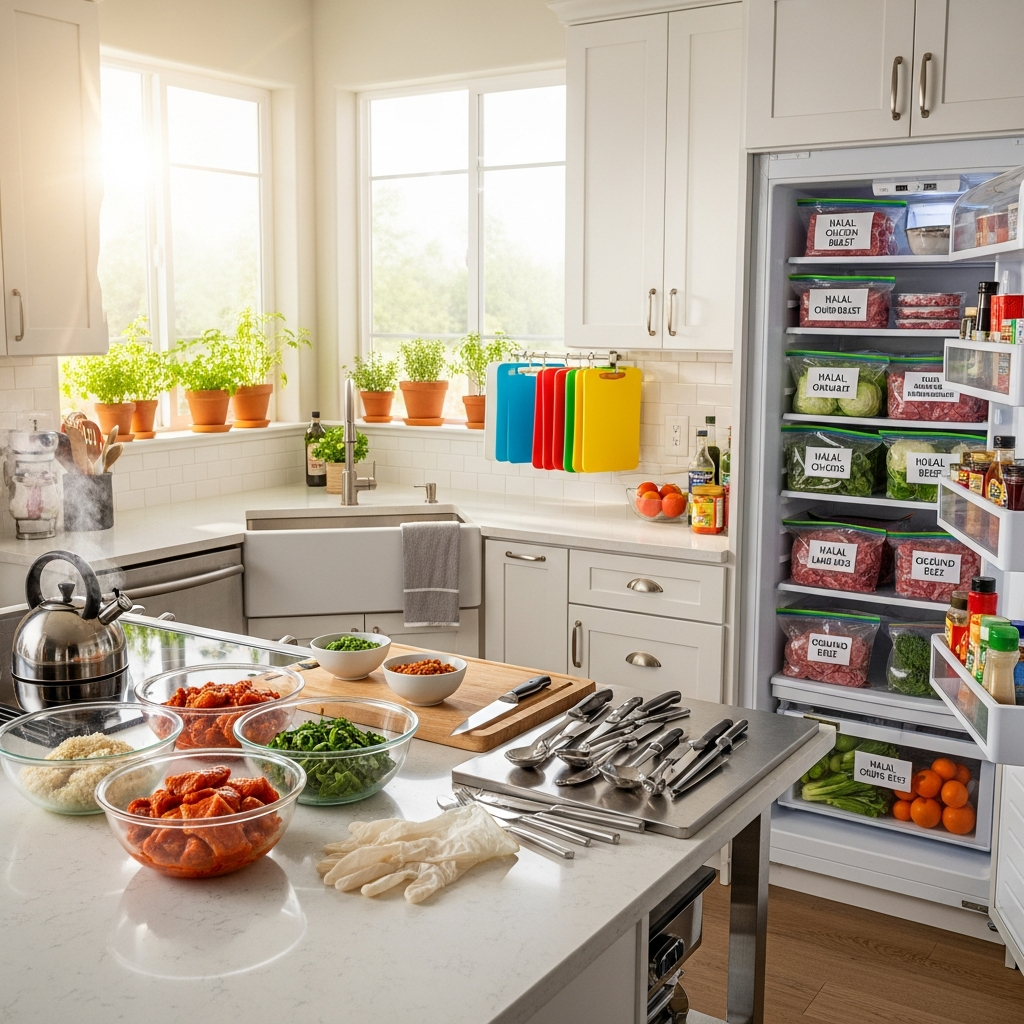
When neighbors in Naperville trade recipes, the conversation always turns to technique: how to keep chicken juicy, how to thaw beef without losing texture, and which tools make weeknight cooking less chaotic. For families who choose halal meat, the stakes feel even higher because the journey from store to stovetop is as important as the final flavor. The good news is that safe handling isn’t complicated—it’s consistent. With a few clear habits, you can protect quality, honor halal standards, and make dinner prep calmer. If you’re just getting started, one of the easiest ways to build confidence is to browse local keyword and plan your meals around cuts that suit your schedule and equipment.
From the counter to your fridge: protecting the cold chain
Quality begins the moment you select your cuts. Ask when deliveries arrive and try to shop close to those times, especially in summer. Use insulated bags for the trip home and make your first stop the kitchen, not a string of errands. Once there, store meat promptly: chicken and ground meats should go into the coldest part of your refrigerator, and anything you won’t cook within a day or two should head straight to the freezer. Label packages with dates so you can rotate intelligently. These small moves preserve texture and flavor, turning a good purchase into a great meal.
Freezing without sacrificing quality
Freezing is not an admission of defeat; it’s a tool. Portion large purchases into meal-sized packs so you only thaw what you need. Press out excess air before sealing to protect against freezer burn, and lay packages flat so they freeze quickly and stack neatly. For ground meats, consider patting portions into thin slabs for faster thawing later. For cuts with bones, wrap tightly to prevent sharp edges from creating tiny punctures that invite ice crystals. Keep a simple log on your fridge door so older packages move forward in your rotation. With a little organization, your freezer becomes a library of potential, not a graveyard of forgotten plans.
Thawing: patience pays
The safest, most quality-preserving way to thaw is in the refrigerator. Place meat on a plate or shallow pan to catch drips, and allow enough time—often overnight or longer for larger roasts. If you’re in a pinch, use a cold-water bath, submerging the sealed package and changing the water regularly to keep it cold. Avoid counter-thawing, which invites bacterial growth and uneven texture. Microwave thawing is tricky for quality because edges can start cooking while the center remains icy; if you must use it, finish cooking immediately and opt for preparations where slight unevenness won’t matter, like stews or saucy dishes.
Clean zones: respecting halal separation at home
Halal standards in stores emphasize separation from non-permissible items and from potential contaminants. Recreate that clarity in your kitchen by assigning specific cutting boards and knives for raw meat, and separate ones for produce. Color-coding helps, but labeling works just as well. After handling raw meat, wash hands thoroughly and sanitize surfaces before moving on to other tasks. Keep raw items on lower refrigerator shelves to prevent drips onto ready-to-eat foods. These habits are simple, but together they protect both halal integrity and household safety.
Marinating with intention
Marinades are where flavor blooms, but they can also be a vector for cross-contact if you’re not careful. Mix marinades in clean containers, add the meat, and keep it cold. If you plan to use some of the marinade as a sauce later, set aside a portion before the meat ever touches it. Avoid reusing bags or containers that held raw meat unless they’ve been washed and sanitized thoroughly. For families navigating multiple dietary needs, transparency is your ally: label containers clearly so everyone in the house knows what’s what.
Cooking methods that match the cut
Great results depend on pairing method to muscle. Chicken thighs forgive timing mishaps and stay juicy with roasting or grilling. Breasts prefer gentle heat or a short, intense sear followed by a rest. Beef chuck loves low-and-slow braises that coax gelatin-rich tenderness, while steaks reward a hot sear and a calm rest. Lamb shoulder turns silky in a stew; leg steaks take well to quick grilling. If you’re unsure, ask your butcher how they cook a particular cut at home. Their professional experience plus local palate preferences often yield kitchen-saving tips you won’t find in a generic cookbook.
Managing moisture for better sears
If you’ve ever steamed a steak by accident, you know moisture management matters. Pat meat dry before it hits the pan, preheat your skillet thoroughly, and give pieces space so they can brown instead of stew. Resist the urge to flip and poke; let the crust form. When you do turn, do it once with a steady hand. In the oven, use a rack to elevate roasts so heat circulates evenly. These small details help you capture the clean flavors that careful halal handling makes possible in the first place.
Resting, slicing, and storing leftovers
Resting cooked meat allows juices to redistribute, guarding against dryness. Tent loosely with foil and give it a few minutes, then slice against the grain for tenderness. Store leftovers in shallow containers to cool quickly, and label them with the date so they don’t become mystery boxes at the back of the fridge. When reheating, keep it gentle—low oven or a covered skillet with a splash of broth—so you preserve moisture and texture. Plan a second dish that celebrates leftovers rather than disguising them: sliced steak over a salad with herbs, chicken tucked into a pilaf, or lamb folded into warm flatbreads with yogurt.
Grilling season the Naperville way
Summers here are a parade of block parties and backyard feasts. To keep halal integrity intact on a shared grill, designate a clean zone with dedicated tools, and start the halal items first on clean grates. If you’re mixing menus for a crowd, cook halal items separately and serve them with distinct utensils and platters. Timing is your ally—finish halal items before non-halal proteins go on the heat, and communicate clearly with your helpers. Guests will appreciate the care, and you’ll relax knowing that everyone can eat with confidence.
Winter braises and soups
Cold weather pushes us toward comfort. Use halal beef chuck or lamb shoulder for braises that transform a gray afternoon into something cozy. Brown the meat thoroughly, build flavor with aromatics, and simmer gently until connective tissue melts into tenderness. Skim fat as needed for a clean finish, and serve with rice, mashed potatoes, or crusty bread alternatives that fit your household’s preferences. A well-executed braise feels generous, and leftovers improve as flavors marry, giving you an easy midweek win.
Kids in the kitchen: learning by doing
Invite kids to participate in safe steps: measuring spices, rinsing herbs, or setting up a clean station. Explain why we keep raw and ready-to-eat foods apart, and let them see the labeling system in your fridge and freezer. These early lessons build respect for halal guidelines and general kitchen safety. As their skills grow, they’ll take pride in shaping meatballs, seasoning kabobs, or monitoring a timer—a tangible connection to family and tradition that turns dinner into a shared project.
Troubleshooting common hiccups
If your chicken turns out dry, check three things: cooking temperature, rest time, and whether you started with an even thickness. If stews taste flat, you may need more browning at the beginning or a pinch of acidity at the end. If grilling yields flare-ups, trim excess surface fat and control hot spots with a two-zone fire. None of these fixes are complicated; they’re habits you reinforce over time. The clean baseline that halal sourcing provides makes it easier to diagnose and solve problems because off-flavors are less likely to come from muddled handling.
Planning a week that respects your time
Safe storage and prep go hand in hand with realistic planning. Choose two proteins for the week, prep them on Sunday, and cook them in ways that can flex across meals: roasted chicken becomes salads, bowls, and wraps; a pot of shredded beef turns into tacos one night and a baked pasta the next. Freeze a portion of each so you’ve always got a back-up dinner plan. This approach protects quality because you’re never rushing thawing or cutting corners on safety, and it protects your sanity because decisions are simpler at six o’clock.
Frequently asked questions
What’s the safest way to thaw halal meat?
Thaw in the refrigerator on a tray to catch drips. If you’re short on time, use a cold-water bath, changing the water regularly to keep it cold. Avoid counter-thawing, which risks uneven temperatures and bacterial growth.
How do I prevent cross-contact in a busy family kitchen?
Assign specific boards and knives to raw meat, wash hands thoroughly, sanitize surfaces after prep, and store raw items on the lowest fridge shelf. Clear labels and simple routines keep the system running even on hectic nights.
Can I refreeze meat after thawing?
If the meat was thawed in the refrigerator and remains cold, you can refreeze it, though some texture may be lost. To minimize quality changes, refreeze promptly and plan to use it in sauces or stews where tenderness matters less.
What cuts are best for beginners?
Chicken thighs, ground beef or lamb, and beef chuck are forgiving and versatile. They handle a range of techniques and flavors well, giving you room to practice without fear of failure.
How long can cooked leftovers be kept?
Cool quickly in shallow containers and enjoy within a few days. Reheat gently to protect moisture. Labeling containers with dates helps you rotate efficiently and avoid waste.
How should I handle halal items on a shared grill?
Start with clean grates and dedicated tools. Cook halal items first, serve them on separate platters with distinct utensils, and communicate clearly so helpers keep zones separate throughout the meal.
What if I’m new to halal cooking and feel overwhelmed?
Begin with one or two cuts, master a couple of reliable methods, and keep your storage routine simple and consistent. Confidence grows quickly when your system is clear and repeatable.
Bring safety and flavor together
Safe storage and smart prep are acts of care that show up on the plate. When you match good sourcing with consistent habits, every meal gets easier and better. If you’re ready to put these ideas into practice, plan your week, organize your kitchen, and shop with intention. For an easy starting point, explore high-quality local keyword and turn tonight’s dinner into the kind of meal your family will ask for again.