
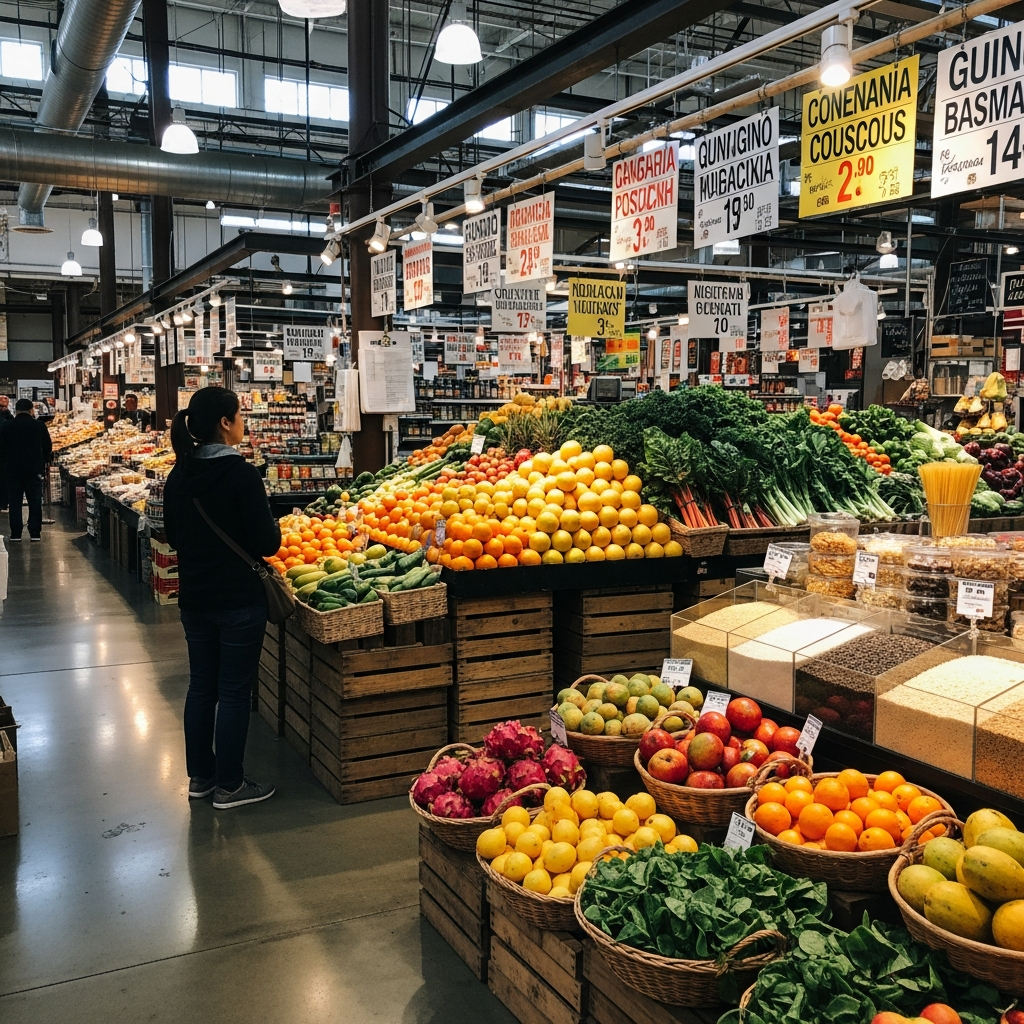
To understand Naperville’s international food markets, think of them not as stores but as neighborhoods under one roof. Each aisle is a different street; each shelf, a front porch where a family sets out the ingredients they love most. On a Saturday morning, when carts click in gentle rhythm and the air smells like herbs, fruit, and warm bread, you can learn more about a place by walking its market than by reading a stack of travel guides. The city’s markets are friendly to the curious and generous to the hungry. If you arrive open to suggestion, you will leave with a bag of possibilities and a handful of kitchen stories waiting to be told.
Newcomers often ask where to begin. My answer is always the same: start with the produce and a plan so simple it fits in your pocket. Choose a cuisine you want to cook this week, then look for the freshest ingredients that speak that language. A one-minute glance at local weekly deals before you go can help you time your visit for herbs that are especially lively or a grain that is in steady supply. From there, let your senses steer. Markets in Naperville invite you to touch, smell, and sometimes even taste before you commit, and staff will happily weigh in with advice when you look puzzled in front of a new fruit or spice.
First Stop: The Produce That Sets The Menu
In the best markets, produce greets you first because it decides the rest of the week. Spring calls for bundles of greens, tender herbs, and the first sweet roots. Summer is an orchestra—peppers in all grades of heat, tomatoes that perfume the aisle, cucumbers you can snap like twigs, peaches that ask to be eaten leaning over the sink. As days shorten, crates fill with squash, sturdy cabbages, potatoes in varied skins, and citrus that wakes up everything it touches. Watch for turnover; bins that empty and refill tell you ingredients are moving fast and staying fresh. If something looks especially good—say, eggplants with glossy skins or limes that feel heavy for their size—build a meal around it. You will cook better when the produce leads.
Ask about arrival schedules. Many markets restock produce multiple times a week, and you will soon learn which mornings reward early birds and which afternoons glow with just-delivered herbs. If you are new to a particular vegetable, request a quick tutorial: how to store it, whether to peel, and how it behaves under heat. Those conversations turn strangers into guides.
The Spice Aisle: Memory, Maps, And Micro-Travel
Spices are the passport pages of a market. Whole cumin seeds you toast yourself, coriander that smells like citrus when crushed, cinnamon that breaks with a snap rather than a crumble—these are the details that change your cooking. Look for turnover here too. Fresh spices should announce themselves the second you open the jar at home. In Naperville, you will find both small packets for the curious and larger bags for families who cook big. If your kitchen is new to a spice, buy modestly. If the flavor becomes a household favorite, step up to bulk; you will save money and preserve freshness with airtight glass jars tucked away from heat and light.
Many international markets group spices by cuisine, but threads cross borders. A jar of smoked paprika will comfort a pot of beans as easily as it brightens roasted vegetables. Cardamom may end up in your morning coffee as often as your desserts. The point is not to memorize where spices belong, but to taste how they behave in your home. Over time, the spice aisle becomes less an atlas and more a diary.
Grains, Noodles, And The Architecture Of Meals
Walk further and you will find the anchors: rice in long, fragrant grains and short, sticky pearls; noodles that curl like ribbon or stack in sheets; flours waiting to become breads, dumplings, or sweets. Read labels for hints about texture—words like fluffy, sticky, chewy—and imagine how they support the sauces and soups you love. In Naperville, markets balance familiar staples with regional specialties. Explore steadily. A bag of buckwheat noodles might turn a salad into dinner; a different rice can teach you how much aroma alone changes a plate.
Storage matters here. Transfer open bags to sealed containers labeled with date and variety. Grains are patient, but they like the dark and the cool. If you fall for a specialty flour, plan three uses before you buy so it does not languish. Pancakes, flatbreads, and dumpling wrappers will fly out of your kitchen if you choose one weekend to practice.
Butchers, Fishmongers, And The Beauty Of Custom Cuts
The fresh counters in Naperville’s international markets are where technique meets trust. Halal butchers will ask how you plan to cook and steer you toward the right cut for braising, grilling, or skewering. Fishmongers lay out whole fish on ice and will clean, fillet, or score them to your preference. Watch the exchange ahead of you and you will hear a vocabulary of craft: thin for stir-fry, thicker for stew, leave the skin on for crisping, or butterfly for stuffing. Do not be shy about asking for trim or bones for stock; markets often have what you need if you know to request it.
When you bring fresh proteins home, respect the work that went into them. Keep them cold on the ride, store carefully, and plan your cook within a day or two. If you marinade, let spices bloom in warm oil first; if you grill, bring meat to room temperature so it cooks evenly. A good cut is kind to a careful cook.
Freezers, Ferments, And Pantry Shortcuts
International markets excel at freezer sections that save dinner. Dumplings ready for a pan, parathas that puff in minutes, filo dough for a weekend project—all tucked into neat rows. Do not overlook frozen herbs and grated aromatics; they are weeknight magic when the crisper is bare. Nearby, you will often find fermented treasures: kimchi in several styles, pickles that snap with life, miso pastes, and yogurt with enough tang to frame a whole meal. A spoonful here, a side dish there, and suddenly a modest main becomes a feast.
Shelf-stable sauces and pastes provide the last mile home. A curry paste with an ingredient list you respect, a chili oil with character rather than mere heat, a jarred roasted pepper spread—these will carry a simple sauté or roast to the finish line. Read labels and choose clarity over clutter. The fewer unnecessary additives, the more clearly you will taste the cuisine itself.
Etiquette, Questions, And The Pleasure Of Learning
The best market trips are conversations. If you cannot find an ingredient, ask. If you are uncertain how a new fruit should feel when ripe, ask. Staff in Naperville’s markets are patient and proud of their shelves. Treat them like the resource they are. Return items you decide against to a staff member so they can be re-shelved properly. Be mindful in crowded aisles and give way at counters. These courtesies keep the markets humming and make you part of the reason they feel good to visit.
Children are welcome in most markets, and shopping with them can be a delight. Let each child choose a new fruit or snack to try at home, and they will begin to connect the dots between geography, history, and what lands on their plate. A market that once felt foreign becomes a place of discovery; dinner becomes a story.
Building A Week Of Meals From One Trip
Think in arcs. If you buy herbs, plan two dishes that use them at their best: one raw for brightness, one cooked for depth. If you choose a grain, use it warm on day one, in a salad on day two, and as a soup thickener on day three. Buy vegetables that can move through textures—crisp one night, roasted and tender the next. You will waste less and eat better. Keep a small note on your fridge with a three-day plan so the market’s excitement does not fade into a drawer.
Midweek, when energy dips, a glance at current weekly deals can redirect dinner without a stressful second trip. If greens are glowing, pivot to a salad with toasted spices and a warm bread. If roots are abundant, make a tray roast and finish with a bright sauce. The trick is to let availability, not habit, do the steering.
Seasonal Festivals And Market Pop-Ups
Markets do not exist apart from the rest of the city; they feed festivals and learn from them. On weekends when cultural events pop up, you may find special imports stacked by the entrance or a display that previews a festival dish. Ask for recommendations tied to the calendar. In spring, you might be guided toward herbs and fresh cheeses; in summer, toward grilling sauces and pickles; in fall, toward preserves and braising spices. Buying with the season lets you taste how a cuisine flexes across the year.
Some markets host their own small tastings. If you see a tray set out with little cups or a staff member offering a spoonful of something unexpected, stop. Two minutes of sampling can save you from buying the wrong thing or, better yet, introduce you to your new favorite staple.
Frequently Asked Questions About Naperville’s International Markets
What time of day is best for shopping?
Late morning is a sweet spot in many markets, with fresh produce set out and counters fully staffed. Afternoons can be lively, too, especially before dinner. If you want the quietest aisles, arrive soon after opening on a weekday.
How do I choose a rice or noodle when there are so many?
Start with how you will cook. For stir-fries, choose noodles that hold a bit of chew; for soups, look for lighter strands. For rice, long-grain aromatic varieties are great for pilafs, while short-grain shines in dishes that like a stickier texture. Do not hesitate to ask a staff member for the brand they take home.
Can I shop well on a small budget?
Absolutely. Build meals around grains, legumes, and seasonal produce, then use sauces and spices to make them sing. Buy small quantities of new ingredients until you are sure they fit your cooking. Thoughtful planning turns modest baskets into abundant tables.
How should I store spices and herbs?
Keep spices in airtight glass jars away from heat and light. Whole spices last longer than ground. Herbs prefer to be washed, dried, and stored in breathable containers with a towel. Use delicate herbs early in the week and save sturdier greens for later.
What if I feel overwhelmed by unfamiliar labels?
Take photos and ask for help. Staff are used to guiding cooks through first-time purchases. Some markets post translations or cooking notes; when they do not, a two-minute chat will point you to the right choice and a tip on how to use it tonight.
Plan Your Next Market Morning
Naperville’s international markets are an open invitation to eat better, learn more, and bring home flavors that make ordinary days feel festive. Grab a tote, sketch a simple menu, and give yourself time to wander the aisles without hurry. To spark ideas before you head out, browse the latest weekly deals, then let the city’s shelves become your map. The ingredients are waiting; the stories come alive when you cook them.