
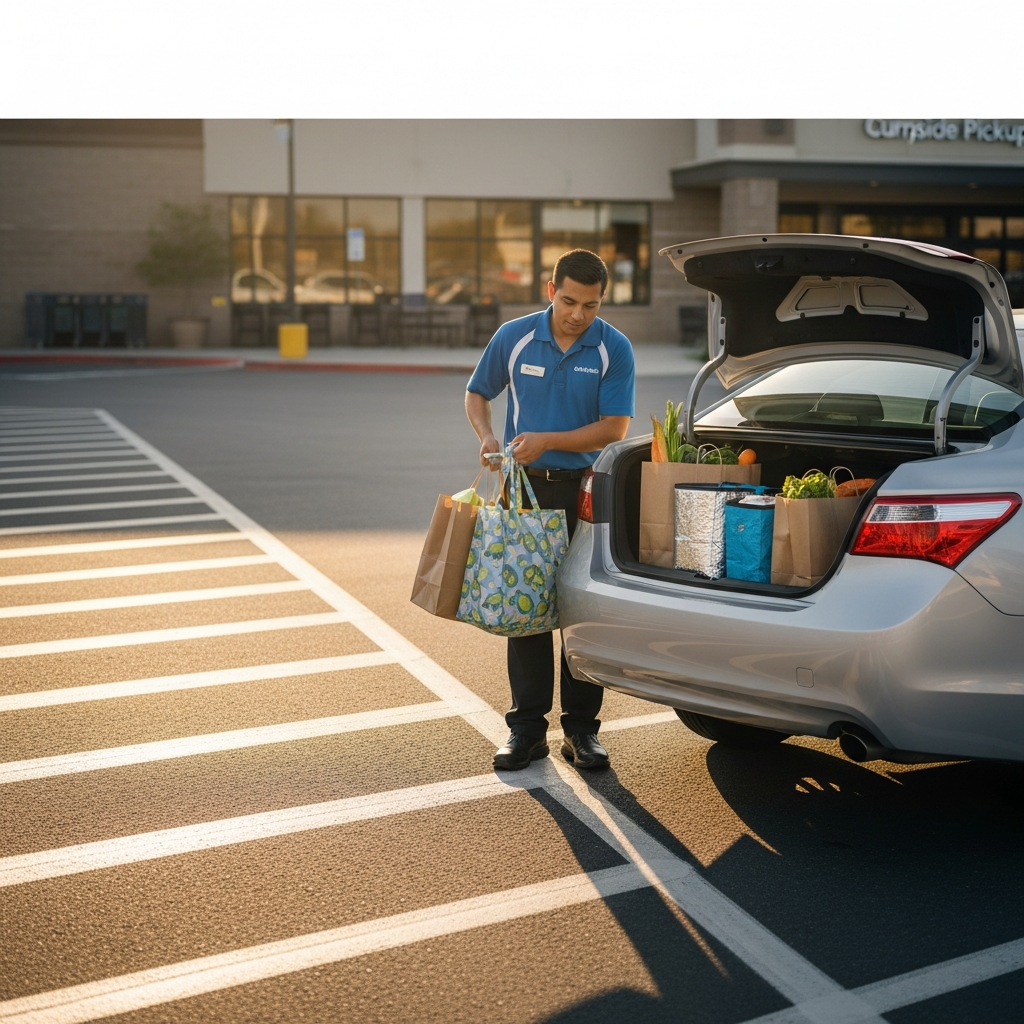
In a town as active as Naperville, curbside pickup has become a quiet superpower—letting you reclaim minutes in a week filled with school runs, workouts, meetings, and everything in between. Fresh Market’s curbside service is designed for real life: easy ordering, clear communication, and careful packing so what you unpack at home feels as good as shopping in person. Over time I’ve refined a process that keeps curbside fast and dependable. It starts with a thoughtful list, a few smart notes for the team, and a pickup window that fits the rhythm of the day. Whether you’re restocking staples, planning a small gathering, or setting up weeknight meals, curbside is a reliable way to bring the shelves of Fresh Market products straight to your trunk without breaking stride.
Getting set up and placing your order
Start with your account and preferences. Add a concise address, a reliable phone number, and a note about your vehicle so the team can spot you quickly when you arrive. Build your cart in a calm moment—early morning coffee works well—and group items by how you’ll use them: produce for the week’s meals, pantry refills, proteins, and a few discoveries to keep things interesting. As you add items, think about substitutions you’re comfortable with and leave short, clear instructions. If you prefer a specific apple variety or a certain ripeness for avocados, say so; details like this translate directly into a better unpack at home. Before checkout, scan your list with a simple question: will this carry us through meals and snacks until my next planned pickup?
Choosing a pickup window that works
Naperville’s day ebbs and flows, and your curbside win depends on fitting within that rhythm. Early windows are great for a quick in-and-out before the day takes off, while mid-mornings pair well with a school drop-off loop. If your afternoons are a blur of carpools and practice schedules, aim for a window that lands just before pickup time, so you can head straight home. Evenings are a calm choice for many—traffic lightens, and the lot is easier to navigate. Most importantly, pick a window you can actually meet; arriving early or on time helps the team time cold storage and have everything staged so it’s fast and fresh when you pull in.
Notes and substitution preferences
Substitutions are where your voice matters most. You can opt in or out for each item, but the real magic is in the details. If your preferred yogurt is out, is a similar flavor acceptable, or do you want a different brand with less sugar? For produce, mention firmness or ripeness preferences—crisp pears for lunchboxes, softer avocados if you plan to mash them tonight. For bakery items, note whether you’ll freeze extras so staff can choose loaves that handle a day or two at room temperature. The clearer your notes, the more confidently the team can shop on your behalf, and the fewer surprises you’ll have at home.
How the store prepares your order
Behind the scenes, your cart becomes a route. Staff collect perishables close to your pickup time and stage frozen and refrigerated items in the right hold to keep them at temperature. Dry goods and fragile items are sorted so they don’t compete for space in the same bag. If you’ve flagged any specific quality checks—like avoiding overly ripe berries or choosing thinner deli slices—the shopper applies those notes as they go. It’s a blend of efficiency and care, and you’ll notice it when you unpack: produce that looks just right, bakery boxes that traveled safely, and pantry items grouped so your kitchen reset is quick.
Arrival and check-in
When it’s time, head to the designated curbside area and keep your phone handy. A quick text or app check-in alerts the team that you’ve arrived and identifies your vehicle. If the lot is active, choose a spot that keeps you clear of lane turns and crosswalks. Pop the trunk or open the back door and give a friendly wave when you see staff approaching. They’ll confirm your name, review any last-minute substitutions, and pack in a way that respects what’s fragile, what’s cold, and what’s headed straight to the fridge. If you’re combining curbside with another errand, let them know; they’ll position bags so the most perishable items are easiest to unload first.
Temperature control and packing
Thoughtful packing is what protects quality from store to table. Separate cold zones keep dairy and proteins at their target temperatures, while produce gets enough airflow to stay crisp. Bakery boxes ride on top or on a backseat, never beneath heavy items. If you’ve ordered a mix of hot prepared foods and a full grocery run, the team keeps warm items apart so condensation doesn’t travel. Reusable bags are welcome; a quick note in your order lets staff know to load them first. When you get home, unload in reverse: freezer items first, then fridge staples, then pantry. That simple order preserves texture and flavor and turns a ten-minute chore into a two-minute victory.
Communication and updates
Good curbside hinges on good communication. Expect a confirmation when your order is received, an update if items change during shopping, and a prompt when everything is staged and ready. If the store needs clarification—like whether to swap a specific flavor—they’ll reach out. Keep your phone nearby during your window so small questions don’t delay your pickup. If your plans change, update the store as soon as you can; a quick note helps them protect the cold chain and keep your pickup smooth for everyone involved.
Quality checks you can count on
Consistency builds trust. The curbside team shops as if the order will land on their own counters at home. That mindset shows in the choices they make: leafy greens without bruising, fruits with the right ripeness for your timeline, and deli selections that match your thickness notes. If something doesn’t meet the bar, they’ll look for the next-best alternative aligned to your preferences. You’ll also notice protective packing for fragile produce and careful placement for eggs or baked goods. If you ever unpack something that misses the mark, say so; it helps refine future picks and keeps the overall service sharp.
Special items and prepared foods
Prepared foods travel well with curbside as long as they’re packed with intention. Ask for sauces on the side, dressings separate, and lids vented where necessary to preserve texture. If you’re timing a weeknight dinner, align your pickup within an hour of serving so heat-and-eat items don’t sit too long. For deli orders, specify slice thickness and package sizes that match your plan—smaller packs for lunch rotation, or a single pack for a weekend platter. And if you’re trying something new, leave a note asking for serving or reheating tips; a sentence or two from the team can help you nail the experience at home.
Accessibility and family logistics
Curbside shines for families and anyone managing a tight schedule. Parents can keep kids buckled, seniors avoid long walks through the lot, and anyone recovering from an injury gets groceries handled without strain. If you have mobility considerations, include a note so staff can position bags where they’re easiest to lift. During winter, curbside also dodges the slush-and-salt dance, keeping car interiors cleaner and trips shorter. For apartment or townhouse living, trunk organization helps: designate a bin for pantry goods and a cooler bag for fridge items so unloading up a flight of stairs becomes a single, smooth trip.
When curbside fits best
There’s a time for a leisurely in-store browse and a time for speed. Curbside is perfect when your week is stacked, when you’re juggling guests and to-dos, or when you simply want an efficient reset for the pantry and fridge. It’s also an ally in rough weather and a lifesaver during back-to-school and holiday crunch weeks. Think of curbside as part of a flexible shopping toolkit—some weeks you’ll order everything for pickup, others you’ll mix a quick in-store visit for inspiration with a scheduled curbside run for the staples. Either way, the service adapts to you.
FAQ: Curbside pickup in Naperville
Q: How far in advance should I place an order? A: Place it as soon as your schedule allows, then select a window that fits the day’s flow. Early planning means better alignment with your preferred items and a smoother pickup, but even same-day orders can run smoothly when windows are available.
Q: Can I control substitutions? A: Yes. You can approve or decline substitutions item by item and leave notes about what you prefer as a backup. The clearer your guidance, the closer the results will be to your original list.
Q: What if I’m running late? A: Update the store as soon as you know. Communication helps the team protect cold items and adjust staging so your order stays in good shape.
Q: How will I know when my order is ready? A: Expect status updates when your order is confirmed, shopped, and staged. Keep your phone handy during the window for any quick clarifying questions.
Q: Are prepared foods a good curbside choice? A: Absolutely. Request sauces and dressings on the side, and time your pickup near when you plan to serve. Ask for quick reheating tips if you’re unsure; staff are happy to help.
Q: What if something isn’t right after I unpack? A: Reach out promptly. Feedback closes the loop for the team and ensures your next order reflects your preferences more precisely.
Grab curbside and glide through your week
Set your window, leave clear notes, and let curbside do the heavy lifting while you keep moving. The process is simple, the communication is clear, and the results feel like you’ve personally picked the cart. When you’re ready to add a little inspiration to your staples, browse the array of Fresh Market products and line up a pickup that lands right when you need it. Dinner, snacks, and fresh starts for the week are only a trunk pop away.