Understanding Health Through Food in Naperville
In Naperville, where neighbors greet each other along the Riverwalk and weekend plans often revolve around family gatherings and shared meals, the conversation about food naturally leads to how it supports a healthy life. For many of us here, halal is more than a label or a preference; it is a meaningful approach to sourcing, preparing, and enjoying meat that aligns with values of care, cleanliness, and community. When we talk about the health benefits of halal meat, we are really talking about a set of practices that emphasize animal welfare, mindful slaughter, and meticulous handling—practices that often translate into real, everyday wellness outcomes for households across town. From the vantage point of a local who has watched families compare cuts at the butcher counter and discuss favorite recipes in the checkout line, I’ve seen how choosing halal meat can become a cornerstone of a balanced, thoughtful lifestyle in Naperville.
Health is not just about numbers on a nutrition label; it is about how our food is raised, handled, and prepared before it reaches our plates. Halal guidelines encourage a level of care that resonates with people who want to know more about their meals than just whether they are tasty. There is the layer of spiritual and ethical intention that sits behind halal, but there is also a tangible layer of food safety and nutrient preservation, two aspects that are especially important for busy Naperville families who juggle school pickups, evening practices, and making sure dinner is delicious and nourishing.
From Farm to Fork: What Halal Means for Quality
One of the primary health-related advantages comes from the way animals are treated and the conditions of slaughter. Within halal practices, animals are meant to be healthy, well-cared-for, and free from unnecessary stress. While that sounds like a moral detail, it also has consequences for the quality of the meat. Calmer animals at slaughter tend to have more stable muscle chemistry, which can affect texture and moisture retention. When families here in Naperville bring home cuts that cook evenly and remain tender without excessive marinades or additives, that experience is not a coincidence—care in sourcing and slaughter can make a difference you can taste and feel.
The halal process emphasizes thorough draining of blood, which many home cooks find improves taste and shelf life. Although every kitchen operates differently, and every cook has a preferred method, there is a common observation among local shoppers that halal meat has a clean, pure flavor profile that stands up well to both quick weeknight sautés and slow weekend braises. That clarity in flavor can encourage more cooking at home, and home cooking is strongly associated with better dietary patterns overall. In a city where meal prep has become a culture—often shared on neighborhood social pages and discussed at the park while kids climb play structures—this becomes another quiet, practical win for health.
When we talk about meat quality, we are also talking about consistency. Families do not want to wonder whether tonight’s roast will behave differently from last week’s. Halal butchers across the area typically prioritize traceability and cleanliness, keeping stations and tools dedicated to avoid cross-contamination. The result is meat that supports a predictable cooking experience and a steady nutrient profile, two facets that can be underestimated until you are planning meals day after day.
Nutrient Density and Everyday Energy
Protein is the backbone of many Naperville kitchens, especially in households with active kids and adults who balance careers and workouts on tight schedules. Halal beef, lamb, goat, and poultry provide essential amino acids that help repair and build muscle. In addition to protein, these meats often deliver critical micronutrients like iron, zinc, and B vitamins. Iron matters for oxygen transport and can affect how energetic you feel chasing a morning train or finishing a late-night project. Zinc supports immune function, relevant during our Midwestern cold snaps when classrooms and offices share more than ideas. Vitamins B6 and B12 aid in energy metabolism and neurological function, keeping the body’s systems humming as the seasons swing from humid summers to wind-bitten winters.
While nutrient content depends on the cut and the animal, many people in Naperville find that halal options include a reliable selection of lean cuts that fit a heart-conscious approach. Skinless chicken breasts and thighs trimmed to your preference, lean ground beef options, and choice lamb cuts can all fit into plans that aim to moderate saturated fat. This is not to say that indulgent meals are off the table—far from it—but halal options make it easier to align daily eating with long-term wellness goals without sacrificing cultural or culinary identity.
Clean Handling and Food Safety in the Kitchen
Food safety is one of the most immediate and practical health benefits tied to halal practices. Emphasis on cleanliness in processing facilities supports the quality that we bring into our home refrigerators. Here in Naperville, where families share kitchens of every shape and size—from newer builds with expansive islands to charming older homes with compact work triangles—good handling can be the difference between a smooth week of meals and a regrettable kitchen mishap. Halal-conscious butchers tend to maintain strict sanitation standards, and that diligence often carries through to the way local customers store and cook their food.
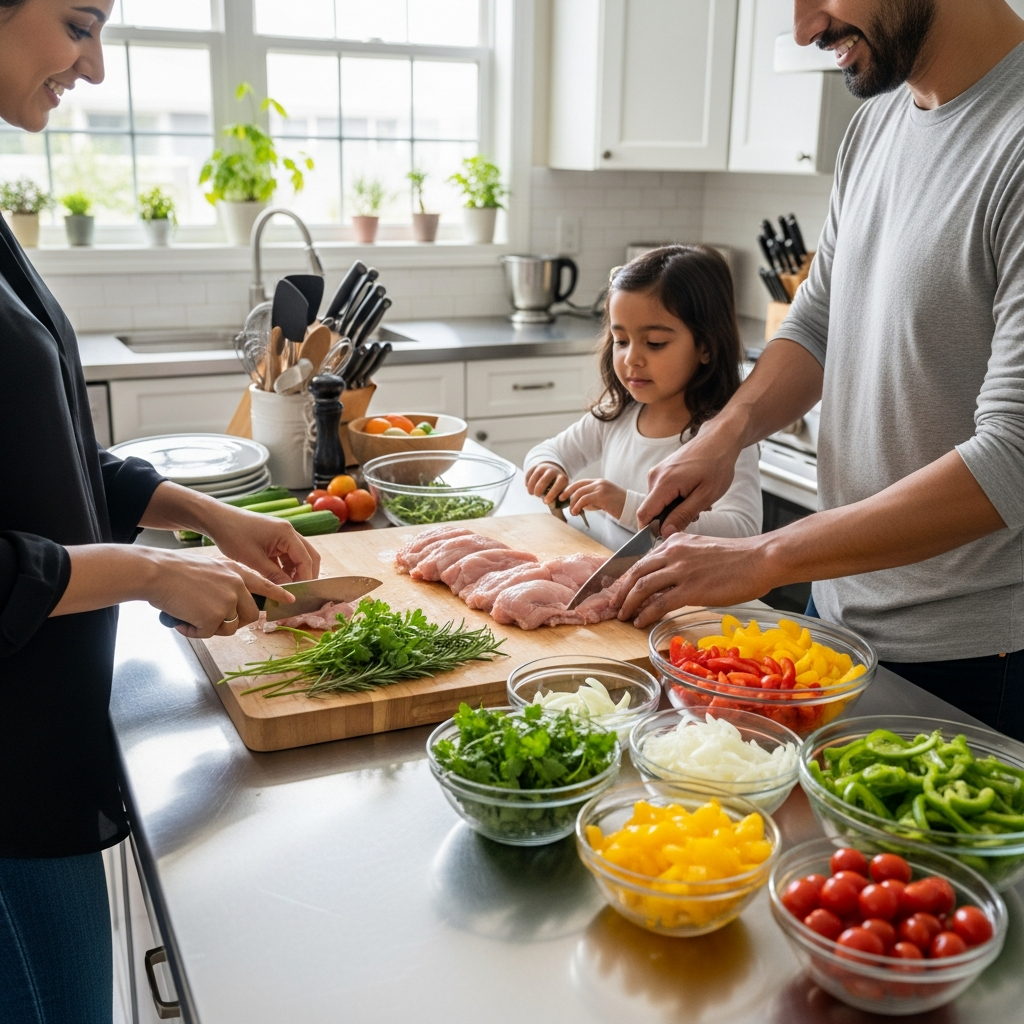
For many households, this looks like keeping raw and ready-to-eat foods separate, labeling packs with dates, and choosing cooking methods that achieve safe internal temperatures. These habits, while not unique to halal kitchens, are reinforced by a community culture that talks openly about preparation methods. Whether you prefer grilling on a backyard deck in summer or simmering stews that warm the house in January, the combination of clean sourcing and thoughtful home handling builds a dependable foundation for health.
Digestibility, Flavor, and the Joy of Simple Cooking
It might seem subjective, but there is a reason so many home cooks in the area describe halal meat as easier to cook and easier to enjoy. A clean taste profile means you can rely on simple seasonings—fresh herbs from the garden, a squeeze of lemon, a gentle spice blend—and still enjoy a meal that feels complete. For people trying to reduce sodium or overly processed condiments, this is welcome news. Less dependence on heavy sauces can support heart health without turning dinner into a chore.
Digestibility is also part of the picture. Meals that sit comfortably often correlate with choosing cuts that are fresh, properly handled, and cooked attentively. While science continues to evolve on every dimension of digestion, the culinary traditions around halal offer practical wisdom: choose quality, cook thoughtfully, and eat with awareness. In Naperville, this often plays out as families blending beloved recipes from their heritage with the approachable, seasonal ingredients available at local markets.
Community Confidence and Cultural Wellness
Health is social. It is the confidence to invite friends over without anxiety about dietary fit, and the calm that comes from knowing you can serve a meal that respects beliefs and bodies. Choosing halal creates a shared baseline for diverse gatherings in Naperville, where neighbors come from every corner of the world. The inclusivity of a halal-friendly table reduces stress for hosts and guests alike. That reduced stress—less second-guessing, fewer last-minute accommodations—has a genuine effect on how satisfying and healthful a meal feels.
Families often report that when they align their food choices with their values, they are more present at the table. A relaxed meal tends to promote better digestion and more mindful portions. Add in the fact that halal meat frequently encourages cooking from scratch, and you have a recipe for steady, sustainable wellness that outlasts quick-fix trends. Somewhere between youth sports schedules and after-dinner walks around the neighborhood, this consistency becomes the quiet rhythm of a healthy home.
Halal, Transparency, and Trust
Trust might be the most underrated health ingredient. When you know where and how your meat was sourced, you remove a layer of uncertainty that can quietly weigh on decision-making. Many Naperville residents prefer to talk directly with their butcher about cuts, feeding practices, and best uses for different meats. That relationship nurtures better choices, reduces waste, and fosters experimentation in the kitchen, all of which support a diet that is vibrant rather than restrictive. Somewhere in the middle of that relationship—between the shop conversation and the recipes that follow—people notice a ripple effect in their well-being.
Here is where one more practical detail comes into focus: consistency in selection. Midweek availability of the cuts you love matters to meal planning, especially when family calendars are packed. The reliability of local halal counters helps keep nutritious options in the rotation without the stress of last-minute changes. For those planning menus around school semesters, holidays, and Ramadans that sometimes land during the school year, knowing you can find your preferred cut encourages steady habits throughout the seasons. As these routines settle in, many families find themselves reaffirming their commitment to halal meat simply because the experience is smoother and the outcomes feel better.
Local Cooking Patterns and Seasonal Health
Naperville’s climate nudges our menus in distinct directions throughout the year. In colder months, slow-cooked lamb shanks or beef stews not only warm the home but deliver iron and collagen-rich dishes that feel restorative. When the weather turns, the grills come out and leaner preparations dominate, from spiced chicken skewers to quick-seared steaks and smoky vegetables. Halal-friendly choices fit neatly into both modes, supporting a pattern of eating that harmonizes with our bodies’ seasonal shifts. This seasonal adaptability encourages variety, which nutritionists and seasoned home cooks alike applaud as a way to capture a wider spectrum of nutrients.
There is also the social heartbeat of seasons here. Fall brings school routines and weekend games; winter invites holiday potlucks; spring blooms into neighborhood block parties; and summer stretches out with backyard dinners that go late under string lights. In each of these settings, a halal approach offers clarity, comfort, and a sense of welcome. People gather with fewer barriers, and the table tells a story of care. When we view health through this lens—where nourishment and belonging reinforce each other—halal is not just a checkbox; it is an everyday practice of wellness.
Mindful Portions and Balanced Plates
Another subtle but important health benefit lies in how halal meat often encourages balanced plates. Because the meat itself is flavorful and satisfying, you can pair it with generous helpings of vegetables, grains, and legumes without leaning on heavy sauces or overcompensating for blandness. This leads to plates that are colorful, fiber-rich, and aligned with many contemporary dietary guidelines. At dinner tables across Naperville, you will see couscous or rice adorned with grilled chicken, salads brimming with herbs alongside lamb, and roasted vegetables beside aromatic braises. These are meals that satisfy and sustain, powering busy mornings and afternoon commitments without a spike-and-crash cycle.
The rhythm of balanced eating also supports family learning. Children who grow up with halal cooking often become familiar with whole-food ingredients and food safety habits early. They watch adults marinate responsibly, respect raw-versus-ready surfaces, and store leftovers properly. Those lessons become second nature, shaping healthier choices when they cook for themselves later on. In a community that values education and growth, this generational handoff might be one of the most meaningful wellness dividends of all.
Recovery, Longevity, and Active Lifestyles
Naperville is a city that moves—morning joggers along the DuPage River, cyclists navigating forest preserve paths, and weekend warriors fitting workouts between commitments. For these active lifestyles, halal meat can be a steady ally in recovery. Adequate protein supports muscle repair. Minerals like iron and zinc help mitigate fatigue and keep immune function resilient. Meanwhile, the emphasis on clean handling and fresh cuts means post-workout meals can be straightforward, flavorful, and revitalizing without complicated prep.
People are living longer and aiming to stay active into later years. For older adults, the digestibility and reliable nutrient profile of familiar halal dishes can support appetite and satisfaction. The cultural resonance of favorite recipes does more than feed the body; it anchors memory and comfort, two ingredients of health that are easy to underestimate. When a household can gather around a meal that feels both traditional and wholesome, you see the well-being of individuals and the cohesion of families rise together.
Halal in the Modern Kitchen
Modern kitchens in Naperville are a blend of heritage and innovation. Air fryers sit beside heirloom spice tins, and weekend batch cooking coexists with spontaneous Tuesday stir-fries. Halal meat plays well with both worlds. It is compatible with marinades that reflect time-honored flavors and with new cooking tools that help busy families get dinner done quickly. Because the meat begins with a clean, fresh taste, it adapts willingly to different textures and temperatures, from crispy, high-heat finishes to slow, aromatic stewing.
There is joy in discovering that the same cut of chicken can be roasted gently one week and char-grilled the next, or that a lamb shoulder can become a fragrant pull-apart centerpiece one season and a delicate slow-cooked broth another. These shifts keep meals interesting without derailing health goals. The rhythm of cooking becomes less about restriction and more about creative abundance, a mindset that supports long-term dietary sustainability.
Choosing Confidence, Choosing Health
The ultimate health benefit of halal meat might be the simplest: peace of mind. When you step into a local market and feel sure about what you are buying, you remove friction from a part of life that touches you every single day. You cook more often, you experiment more freely, and you share your table more generously. Over time, these habits influence weight management, cardiovascular health, immune resilience, and even mental well-being. You are not just eating; you are practicing care.
In Naperville, where community pride runs deep and wellness is a shared language, halal meat offers a pathway to align daily choices with larger values. If you are just starting to explore, begin with cuts you already love and notice how the experience feels from shopping to cooking to eating. You may find that the benefits unfold not only on your plate but across the rhythms of your week, knitting together better food, stronger relationships, and a calmer kitchen.
Frequently Asked Questions
Is halal meat healthier than non-halal options?
Health depends on the total picture of your diet and lifestyle, but halal practices can support wellness in meaningful ways. Attention to animal welfare, clean slaughter, and careful handling may contribute to quality, flavor, and confidence that, in turn, encourage home cooking and balanced meals. Many Naperville families find that these factors improve consistency, making it easier to maintain nutritious routines.
Does halal meat taste different?
Many people describe halal meat as cleaner in flavor and more consistent in texture. That perception can stem from the way animals are handled and the emphasis on cleanliness throughout processing. In home kitchens, this often translates to simpler seasoning and reliable results across a range of recipes.
How can I cook halal meat for a heart-conscious diet?
Choose lean cuts, trim visible fat, and favor cooking methods like grilling, roasting, or sautéing with modest oil. Pair the meat with vegetables, legumes, and whole grains. Because halal meat tends to carry a clean flavor, you can rely on herbs, citrus, and spices instead of heavy sauces, which helps keep meals lighter without sacrificing satisfaction.
What makes halal handling practices relevant to food safety?
Halal emphasizes cleanliness, dedicated tools and surfaces, and minimized cross-contamination. These practices align closely with proven food safety habits at home, such as storing raw and cooked foods separately and cooking to safe internal temperatures. The result is a more confident kitchen and fewer preventable mishaps.
Can halal meat fit into busy Naperville schedules?
Absolutely. Many local markets offer a range of cuts that cook quickly or lend themselves to batch cooking. With a bit of planning—marinating in the morning, slow-cooking on low during the day, or grilling in the evening—you can build a weekly rhythm that supports both convenience and health.
How do I introduce halal meat to guests new to the concept?
Start with familiar dishes and share a simple explanation that halal reflects care in sourcing and handling. Most guests appreciate the clean flavors and the thoughtfulness behind the choice. Framing it as a commitment to quality and inclusion helps everyone feel welcome at the table.
Ready to bring these benefits home?
If you are looking to align your meals with wellness, flavor, and peace of mind, visit your trusted local source and explore their selection of halal meat. Start with a favorite cut, cook it simply, and see how it transforms your weekly routine. Your table—and the people around it—will feel the difference.