
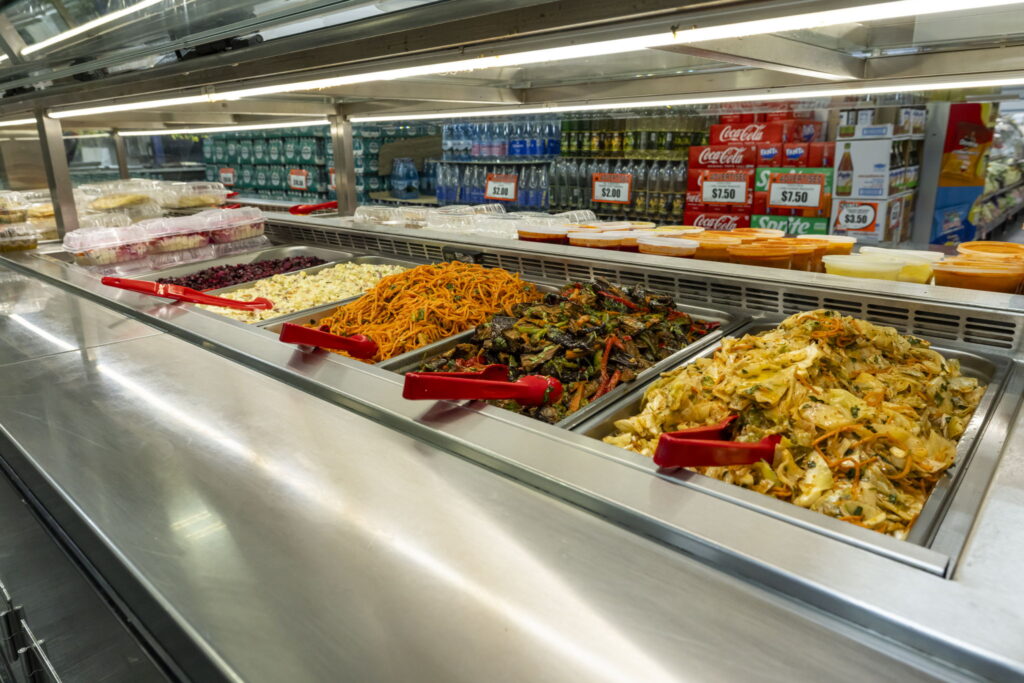
Seasonality adds rhythm to life in Naperville. You notice it in the way the Riverwalk changes color, in Saturday soccer schedules, and—most deliciously—on your plate. Choosing organic with a seasonal mindset makes cooking easier, tastier, and more economical with your time. It turns the week into a cycle of small, satisfying rituals: a pot of soup when the wind picks up, a salad that tastes like July sunshine, or a crisp apple eaten on the porch. If you’re just getting started, spend a few minutes browsing a well-marked selection of organic foods and let what looks vibrant lead your menu rather than forcing a plan that fights the calendar.
Spring: Tender Greens and a Fresh Start
After our Midwest winters, spring tastes like a reset. Organic lettuces, arugula, spinach, and herbs arrive with a delicacy that asks for minimal handling. Wash gently, spin dry, and store with a clean towel to extend crispness. Pair greens with radishes, young carrots, and the first asparagus. Keep cooking methods light—quick sautés, brief blanches, and raw salads that show off sweetness and crunch. A simple plate of peas with mint, lemon, and olive oil can be dinner with toast and a soft egg. The goal is to let the season’s freshness put wind in your cooking sails so you look forward to standing at the stove again.
Summer: Color, Abundance, and Simplicity
Summer in Naperville brings tomatoes that smell like the garden, cucumbers that snap, and berries that taste like sunshine. Organic choices really shine now because varieties bred for flavor rather than travel dominate displays. Keep your technique simple: grill zucchini, toss tomatoes with basil and salt, and slice peaches over yogurt. Make big salads and eat them with cold chicken, beans, or grilled tofu. I encourage families to prep one tray of vegetables on Sunday—peppers, onions, and eggplant—then fold them into pasta, wraps, and omelets through the week. When ingredients are this good, less is more; you’re just arranging color on a plate.
Fall: Comfort without Heaviness
As school settles in and air turns crisp, organic squash, apples, pears, and hearty greens take the stage. Roast wedges of delicata or butternut until caramelized and sprinkle with toasted seeds. Sauté cabbage with onions and apple slices for a sweet-sour side that livens up any dinner. Make a pot of lentils with carrots and kale and call it a night with warm bread. Fall is also the time to stock your pantry: organic tomato sauce, beans, broths, and grains form the backbone of quick weeknight meals when activities crowd the calendar. The flavors are cozy but bright, keeping energy steady and moods lifted.
Winter: Roots, Citrus, and Batch Cooking
Winter rewards patience and planning. Organic carrots, beets, turnips, potatoes, and onions become sweet and complex with low, slow heat. Roast a big pan and use it as the base for grain bowls, frittatas, and soups. Citrus arrives to cut the richness—bright oranges and grapefruits wake up salads and snacks. I recommend cooking a large pot of beans and a grain on Sundays. With those two elements, dinner becomes assembly: warm beans with garlicky greens, toss with roasted vegetables, and finish with herbs and lemon. Winter cooking is more about rhythm than novelty, which is comforting in its own right.
Smart Storage for Seasonal Wins
Great meals start with great storage. Greens like moisture-controlled environments—store them washed and gently dried with a clean towel in a container that breathes. Carrots and radishes keep well when trimmed and submerged in water in the fridge, which preserves snap for days. Tomatoes and stone fruit prefer the counter until ripe, then chill briefly. Apples and pears like the crisper drawer. Proper storage means fewer limp salads and more meals that feel like they cooked themselves.
Cooking Formats That Respect the Calendar
Cook with formats that flex. In spring, a salad formula—greens, herbs, a crisp vegetable, a protein—builds countless dinners. In summer, a raw-and-grill approach keeps the kitchen cool. In fall, sheet pans and braises fit naturally with busy schedules and earlier sunsets. In winter, soups and stews deliver warmth and leftovers. These repeating patterns mean you learn one technique and use it twelve ways across the year, capturing variety without reinventing dinner every night.
Seasonal Snacks for Kids and Teens
Lunchboxes and after-school snacks succeed when they mirror the season. In spring, think snap peas and strawberries. In summer, cucumbers, cherries, and melon slices disappear happily. In fall, apples, pears, and roasted chickpeas make crunchy, filling bites. In winter, citrus segments and yogurt keep spirits bright. Organic options keep flavors consistent, which helps kids form positive expectations. Give children small, simple jobs—washing berries, peeling mandarins, or slicing cucumbers—and watch their curiosity grow alongside their appetites.
Entertaining with Ease
Seasonal entertaining is about showcasing what’s at its best. A July table needs only tomatoes, basil, mozzarella or a plant-based alternative, and good bread. A November table glows with roasted squash, garlicky greens, and a crisp salad of apples and cabbage. Desserts follow the same logic: berries with shortcake in summer, baked apples in fall, citrus sorbet in winter. When you align your menu with the season, guests feel cared for and you spend less time fussing. The ingredients carry the conversation.
Waste Less with Tasty Second Acts
Cooking seasonally also teaches creative reuse. Blend leftover roasted vegetables into soups. Turn stale bread into crunchy croutons or a savory pudding with greens and cheese. Make a quick pesto from carrot tops or beet greens with garlic and lemon. Freeze herb stems in olive oil for instant flavor bombs. These habits save money, reduce trash, and keep your kitchen feeling abundant rather than cluttered.
Shopping Rhythm That Sticks
A practical rhythm beats any complicated plan. Pick one main shopping day and a short midweek top-up. On your main day, choose a star vegetable or fruit that inspires two or three meals and fill in with staples. Midweek, scan the fridge and rescue anything drooping by roasting or sautéing. If you want a burst of creativity, walk through a focused area for organic foods and grab one item you’ve never cooked before. That small adventure keeps cooking joyful.
Frequently Asked Questions
How do I build a seasonal meal plan without spending hours?
Choose a format per season—salads in spring, grill plates in summer, sheet pans in fall, soups and stews in winter. Pick two vegetables and one fruit each week as your anchors and repeat meals with small variations. A loose structure beats a tight plan because it adapts when life happens.
Which organic items should I prioritize?
Start with what you eat most: apples or berries for snacks and lunches, leafy greens for dinners, and a dairy or plant-based alternative you love. Then expand to pantry items—beans, tomato sauce, oats—that support many meals. Prioritizing staples you use daily delivers the biggest impact in taste and routine.
How can I keep produce fresh longer?
Store greens washed and gently dried with a clean towel, keep carrots and radishes submerged in water in the fridge, and let tomatoes and stone fruit ripen on the counter before chilling. Use clear containers so everyone sees what needs to be eaten first. A quick midweek check prevents surprises.
What are easy seasonal dinners for busy nights?
Spring: toast with ricotta and asparagus. Summer: chopped salad with grilled chicken or chickpeas. Fall: sheet-pan squash, onions, and sausages or tofu. Winter: minestrone with beans and greens. These dinners rely on a handful of organic ingredients and repeatable techniques, so they’re doable even when schedules are tight.
How do I get kids on board with seasonal eating?
Invite them to choose one new fruit or vegetable each week and help prepare it. Keep snacks visible and simple—apples, cucumbers, yogurt, nuts. Celebrate curiosity rather than clean plates, and keep portions small so tasting feels easy. When produce tastes reliably good, children come around.
Can I eat seasonally and still enjoy favorites year-round?
Absolutely. Use the freezer and pantry wisely. Freeze berries and tomatoes at peak flavor, keep beans and grains on hand, and lean on sauces and herbs to keep meals lively. Seasonal cooking adds rhythm, but it doesn’t forbid comfort foods; it simply nudges you to enjoy them when they’re at their best.
Bring the Seasons to Your Table
If you’re ready to cook with less stress and more flavor, let the calendar be your guide. Pick two seasonal stars this week, build simple meals around them, and enjoy the natural variety that follows. When you want dependable inspiration and fresh ideas, stroll a thoughtfully organized selection of organic foods, bring home something that looks and smells wonderful, and let your next dinner taste like the season you’re living in right now.