Introduction: Bringing Organic and Halal Standards Together in Naperville
For many Naperville families, choosing meat is about more than what’s for dinner; it’s about aligning values with everyday cooking. That’s why interest in organic halal options has grown steadily across our neighborhoods. When you can trust both the agricultural story—how animals are raised and fed—and the integrity of halal practices—from slaughter to in-store handling—you gain a powerful peace of mind. If you’re beginning your search or refining your routine, it helps to preview a selection of halal meat and understand how organic criteria and halal standards intersect to define what ends up in your cart.
The good news is that Naperville’s food culture prizes transparency. Families ask thoughtful questions, butchers welcome the conversation, and local markets respond with clear sourcing details. Whether you lean toward grass-forward flavors in lamb, prefer clean, tender chicken for easy weeknights, or seek beef with reliable texture for grilling and braising, the path to organic halal choices is easier when you know what to ask and how to read the signs of quality.
Understanding “Organic” and “Halal” as Complementary Standards
Organic and halal cover different parts of the journey but complement each other beautifully. Organic standards typically address how animals are raised—access to the outdoors, feed free from synthetic pesticides and GMOs, and a prohibition on routine antibiotics or added hormones. Halal standards, by contrast, focus on slaughter practices, humane treatment, and ongoing handling protocols that preserve purity and prevent cross-contact.
When you bring these standards together, you’re not simply stacking labels; you’re reinforcing a shared commitment to care. The agricultural side supports animal well-being and environmental stewardship, while the halal side ensures ethical slaughter and disciplined handling. Naperville shoppers who choose organic halal are often looking for that holistic alignment, and local markets are increasingly organized to meet those expectations with clarity and consistency.
How to Verify Claims with Confidence
Verification begins with conversation. Ask your butcher which farms or suppliers provide organic halal products and how certification is documented. A reputable market can explain the chain of custody from the farm to the display case, including how equipment and storage are separated to protect halal integrity. If a store carries both conventional and organic halal items, inquire about how they’re labeled and organized to prevent confusion.
Documentation should be straightforward, and staff should be familiar with the basics. Don’t worry about sounding meticulous; Naperville’s best markets appreciate informed customers. The same care that supports halal handling—dedicated tools, trained staff, and clear labeling—tends to show up in how organic items are presented and maintained, too.
Reading the Case: Signs of Organic Quality
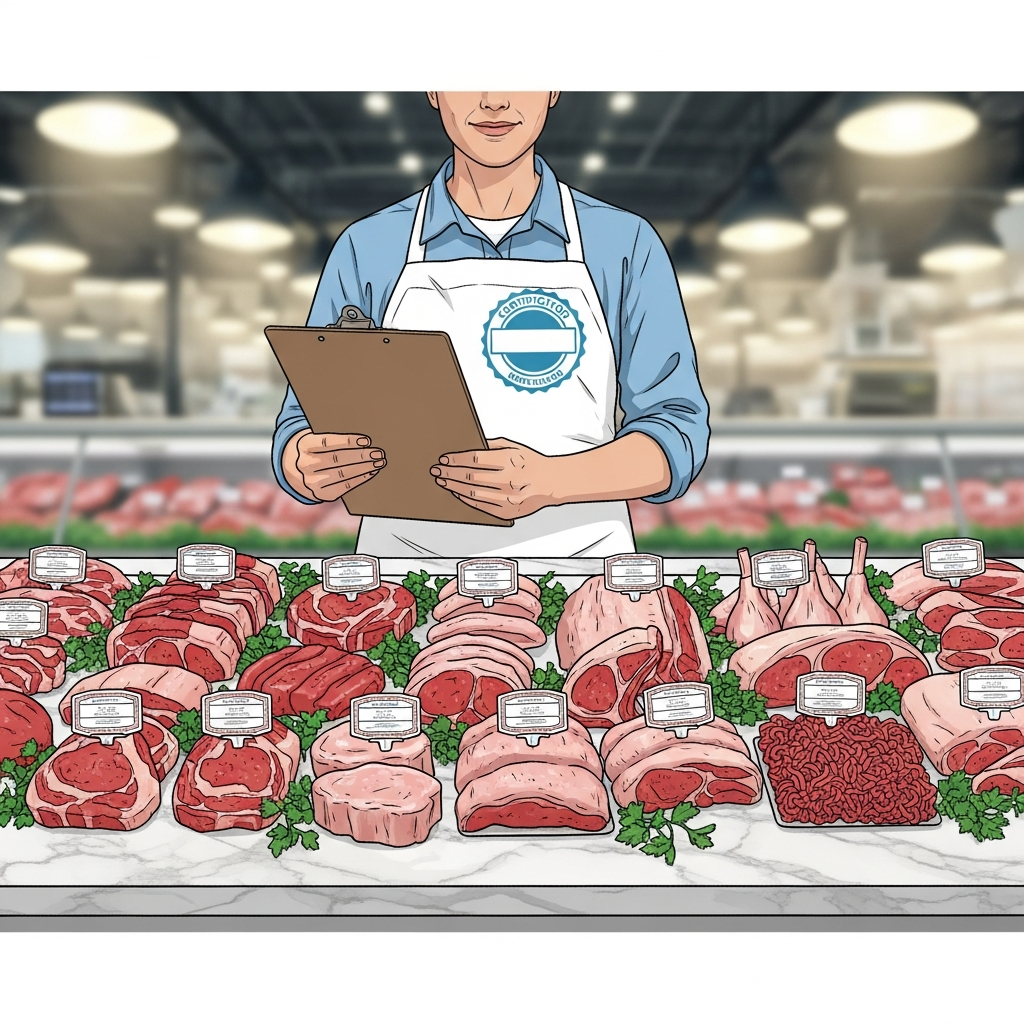
Even with credible labels, the display tells its own story. Organic chicken should appear clean and moist, with a natural sheen and a subtle aroma. Organic beef should present with vibrant color and tidy trimming, and organic lamb often reveals itself in nuanced marbling and a pleasant, mild scent. Packaging should be intact, and labels should clearly distinguish organic from conventional to avoid mix-ups at the register or in your kitchen.
Marinated organic selections can be a bonus on busy days, but they should never mask quality. Look for marinades that let the meat’s natural flavor come forward—fresh herbs, citrus, garlic, and gentle spice blends are good signs. If anything looks heavily coated or overly dark, ask how long it has been marinating; balance is the guiding principle.
Flavor Expectations: What Changes with Organic
Organic practices can influence flavor in subtle ways, especially for lamb and beef. Diet and lifestyle shape the character of the meat, sometimes leading to a cleaner finish on the palate and a texture that responds predictably to searing or slow cooking. Chicken frequently benefits in juiciness and tenderness when handled well from farm to counter. These are general trends, of course; your own cooking methods and seasoning choices matter just as much. Still, many Naperville cooks report a pleasing clarity of flavor with organic halal options that keeps them coming back.
As you explore, keep notes. If a particular farm or supplier stands out for consistency, mention it during your next visit. Butchers who know your preferences can recommend cuts and sources that match your taste—another reason relationships matter when you’re navigating more specialized choices.
Choosing Cuts for Everyday Organic Cooking
For fast weeknight dinners, organic boneless chicken thighs and breasts adapt to everything from sheet-pan meals to skillet sautés. Ground beef anchors easy favorites like kofta or tacos, while a modest organic beef roast can become the centerpiece of a weekend meal with leftovers for sandwiches. Organic lamb shoulder cubes make weeknight braises less daunting than you might expect—once you brown them and add aromatics, the stove does the rest.
If you enjoy goat, ask about organic availability and how the pieces are prepared. Slow-cooked goat remains a family favorite across Naperville’s diverse kitchens, and when the sourcing is both organic and halal, you get the comfort of tradition backed by thoughtful farming practices.
Middle-of-the-Journey Planning
Before you head out or place an order, a quick browse through a clear, well-labeled selection of halal meat helps focus your plan. Decide whether this week calls for quick-cook cuts, slow braises, or a mix of both, then add sides and pantry staples that round out the meal. This small step turns a vague intention—“eat better this week”—into a workable plan that fits your family’s schedule.
Handling, Storage, and Cooking Techniques that Respect the Ingredient
Organic halal meat rewards care at home. Keep packaging cold during the trip, transfer items promptly to the refrigerator or freezer, and label anything you won’t cook within two days. When thawing, opt for the refrigerator to preserve texture. Patting meat dry before cooking encourages caramelization, and letting roasts and grilled cuts rest briefly keeps juices where they belong—inside.
Season thoughtfully, allowing salt to work in advance when possible. For lamb and beef, a light sear followed by slow cooking builds complex flavor without dryness. For chicken, consider a quick marinade with lemon, garlic, and herbs; even thirty minutes can make a difference. These simple techniques let the quality you’ve chosen—organic and halal—come through clearly on the plate.
Community Perspective: Why Naperville Embraces Organic Halal
Our city thrives on practical ideals. Families want food that aligns with their values but also fits real life: school nights, commuting, and the occasional last-minute dinner. Organic halal meets that moment by combining transparent sourcing with ethical handling, all delivered in a format that supports everyday cooking. Conversations at markets and community events often highlight the same themes—confidence, flavor, and a sense that your purchases contribute to a thoughtful food culture.
That cultural fit is why a growing number of local shops maintain dedicated space for organic halal options. As demand rises, selections deepen, from staple cuts to specialty items for holidays and gatherings. With each visit, your knowledge grows, and your meals benefit.
Working with Your Butcher: The Shortcut to Great Results
When you’re navigating both organic and halal preferences, your relationship with the butcher is an invaluable resource. Share the kinds of meals you make, your time constraints, and any dietary considerations. A skilled butcher will guide you to cuts that fit, suggest sensible substitutions, and portion packages so you can cook once and eat twice. That guidance often turns a promising plan into an effortlessly good dinner.
Before holidays or larger gatherings, plan ahead. If you want a specific organic halal roast, place your request with enough time for careful preparation. The payoff is a calm cooking experience and a meal that feels both special and true to your household’s standards.
Frequently Asked Questions
How can I confirm that meat is both organic and halal?
Ask your butcher to describe certification for both standards and how documentation is maintained. Inquire about separation protocols for handling and storage. Reputable markets offer clear, confident answers and consistent labeling that distinguishes organic halal items from other products.
Does organic always taste better?
Taste is personal, but many shoppers notice a clean, balanced flavor in organic options, especially for lamb and chicken. What’s certain is that careful farming and handling often lead to predictable texture and reliable cooking results, which many home cooks value highly.
Are marinated organic options worth it?
They can be, provided the marinade supports rather than hides the meat’s character. Look for fresh aromatics and balanced seasoning, and ask how long the meat has been marinating. Properly prepared options save time on busy nights without compromising quality.
Which cuts should I start with for organic halal?
Begin with versatile staples: boneless chicken thighs or breasts, ground beef, and lamb shoulder cubes. They adapt to a variety of recipes and help you establish a baseline for flavor and texture in your kitchen.
How do I store organic halal meat for best results?
Refrigerate promptly and plan to cook within two days, or portion and freeze with labels. Thaw in the refrigerator, pat dry before cooking, and rest roasted or grilled cuts. These steps preserve texture and flavor while respecting the quality of the ingredient.
Is online browsing helpful for organic halal choices?
Yes. Reviewing a curated selection of halal meat helps you compare cuts, plan side dishes, and decide which items fit your schedule and preferences. Pair online planning with a chat at the counter for the best of both worlds.
When you’re ready to align your everyday cooking with your values, choose a trusted Naperville market that treats organic and halal as a shared commitment to quality. Talk with the butcher, select the cuts that fit your week, and enjoy the confidence that comes from thoughtful sourcing and careful handling. Start your next shop with a clear plan and a quick look at a curated range of halal meat, then bring home ingredients that make dinner both simple and deeply satisfying.