When you walk through a supermarket in Naperville, it can be easy to focus on what is in your cart—apples, pasta, a carton of eggs—without thinking about the wider environmental story behind those shelves. Yet every display, cooler, and checkout lane represents choices that touch energy use, packaging, transportation, food waste, and even the health of local waterways. The good news is that Naperville’s community mindset—practical, neighborly, and forward-looking—pairs naturally with everyday steps that make grocery shopping more sustainable. If you are planning your next trip, consider aligning your list with current weekly deals so you can support efficient supply cycles while making the most of what is abundant and fresh.
Energy in the aisles: lighting, cooling, and design
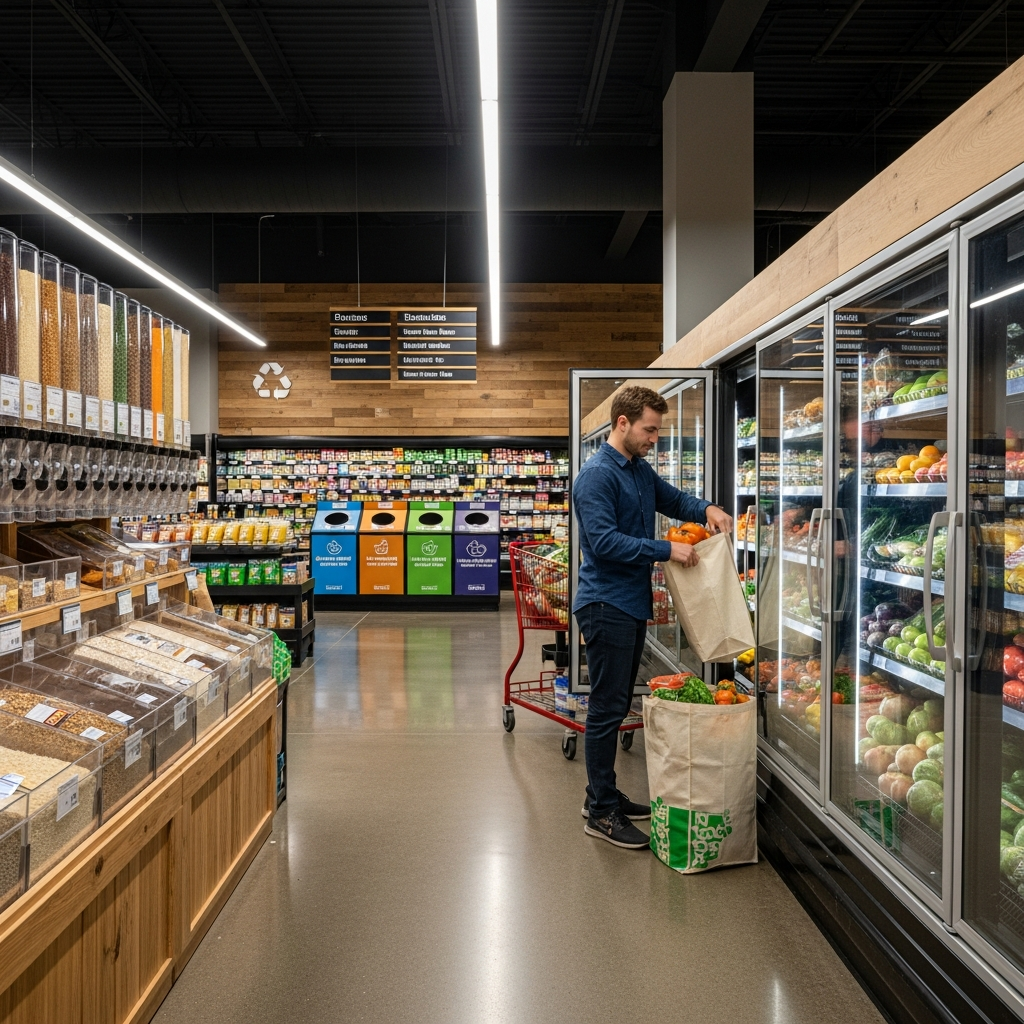
Modern supermarkets are quiet networks of energy systems. In Naperville, you will notice bright, uniform lighting, which increasingly relies on LEDs that use less energy and generate less heat. Open coolers are steadily being replaced or retrofitted with doors that hold temperatures more consistently, protecting both food quality and energy budgets. Night curtains pulled over certain cases after closing help, too—an unglamorous detail that pays environmental dividends.
Store design also matters. Wide, clear aisles with efficient traffic flow reduce the time customers spend idling around displays, which may sound small but accumulates across thousands of visits. Well-placed entry vestibules keep cold air in and summer heat out, and loading docks that connect directly to storage coolers reduce the time products spend in transit between trucks and shelves.
Transportation: the path from farm to Naperville
Every product has a travel story. Some items come from regional suppliers, others from across the country or the world, depending on the season. Supermarkets manage these flows carefully to balance variety with freshness and cost. For shoppers, the environmental angle is to buy with the season and watch for regional sourcing on signs and labels. When you choose produce that is in its natural window of abundance, you benefit from shorter supply chains and better flavor.
Naperville’s proximity to interstate routes supports efficient deliveries, but timing still matters. You can often see pallet jacks rolling in early morning as refrigerated trucks drop off dairy and produce. These concentrated deliveries reduce the number of trips and help stores keep products fresh without over-ordering.
Packaging and the trade-offs we live with
Packaging protects food safety, extends shelf life, and presents information, but it also creates waste. The most sustainable choice is the one that you will fully use, stored properly to prevent spoilage. For produce, choosing whole fruits and vegetables instead of prepackaged portions can reduce plastic use. Reusable produce bags are increasingly common among Naperville shoppers and fit neatly with the city’s practical streak—durable, washable, and easy to keep in the car.
In pantry aisles, look for minimal packaging and recyclable materials. Glass jars and metal cans have robust recycling pathways; some plastic containers do, too, depending on local facilities. When you decant bulk goods into clear containers at home, you reduce waste from half-used bags and keep ingredients visible so they get used on time.
Food waste: the quiet frontier
The environmental impact of wasted food is larger than most people realize. Every tossed lettuce head represents the water, land, energy, and labor that produced it. Supermarkets in Naperville work to reduce waste by adjusting orders, rotating stock, and partnering with local groups when appropriate. As a shopper, your power is in buying the right amount, storing it well, and cooking what you have.
Build a “use-first” habit by dedicating one fridge bin to items that need attention—half-cut peppers, a wedge of onion, a handful of herbs. Anchor your week with flexible meals like frittatas, soups, and grain bowls that welcome odds and ends. Those small routines reduce waste quietly and consistently.
Water and cleaning practices
Behind the scenes, supermarkets rely on cleaning protocols that protect food safety while managing resource use. Modern equipment and well-trained teams can do more with less water, and many stores have shifted to concentrated cleaning products that reduce packaging and transport emissions. For shoppers, a related step is to handle produce carefully and bag delicate items so they are not damaged—intact produce lasts longer and reduces both water and energy used to grow replacements.
Reusable bags and smart transport
Reusable bags may seem like a small gesture, but multiplied across Naperville’s households, they prevent a substantial amount of single-use waste. Keep a set in your trunk and one folded in your purse or backpack. A sturdy bag with a flat bottom makes packing smoother at checkout and protects delicate produce. If you drive, plan routes to combine errands, reducing trips. If you walk or bike from neighborhoods near Downtown, a simple backpack and a compact cooler insert can turn a short errand into a low-impact habit.
Choosing what lasts: durability and diet
Sustainability is not only about the environment; it is also about the longevity of the food you buy. Choose items that you can stretch across multiple meals, and think through how they will be stored. Root vegetables, cabbage, and apples tend to last longer, as do dried beans and grains. Use quick-to-spoil items first and save sturdier produce for later in the week. That pattern smooths your footprint by minimizing wasteful top-up trips.
Community habits that add up
Naperville thrives on practical collaboration. Neighborhood groups swap recipes, parent chats compare quick dinner ideas, and coworkers share tips for efficient shopping near Washington Street or 95th Street. When one household picks up the habit of storing herbs in water, washing greens on arrival, or turning leftover rice into fried rice the next day, those ideas ripple across blocks and offices until they feel normal. Culture, in this sense, is environmental policy playing out at the kitchen counter.
Seasonality, taste, and environmental sense
Seasonal eating is the classic sustainability tool because it works on multiple levels: flavor, nutrition, affordability, and resource use. In late spring, tender greens and herbs shine with minimal cooking, reducing energy used in the kitchen. In summer, raw salads and no-cook dinners cut stove time and keep homes cooler. Fall leans into roasting, a low-fuss cooking method that complements hearty vegetables. Winter soups simmer slowly but efficiently, turning pantry goods into comfort.
Inside the store: small cues that matter
Watch for clues that a store is managing its footprint thoughtfully: doors on coolers, clear signage for recycling at the front, and logical product placement that reduces wandering. You may also notice that many Naperville stores dim nonessential lights after closing and use programmable thermostats to align heating and cooling with occupancy.
How you can vote with your cart
Every purchase is feedback. When shoppers consistently choose products with lighter packaging, stores notice and expand those options. When demand for seasonal produce rises, ordering shifts. If you see an item that helps you reduce waste—sturdy storage containers, reusable produce bags, or bulk grains in manageable sizes—picking it up is a small vote that shapes what the store carries next month.
Reducing your footprint one routine at a time
Start with what you do most often. If you make salads daily, master how to store greens. If you love baking, learn the best way to keep flours fresh in airtight containers. If soups are your comfort food, stock bulk beans and freeze leftover portions flat so they stack neatly. These micro-skills pay off every week and are easier to teach than broad principles that never quite stick.
Frequently asked questions
What is the single most effective way to cut my grocery footprint?
Reduce food waste. Plan realistic portions, store produce properly, and build one or two “use-first” meals into your weekly rhythm. When you throw away less, you honor the resources behind every item you buy.
Do reusable bags really make a difference?
They do when used consistently. A handful of sturdy bags over the course of a year can replace a large stack of disposables. Keep them in the car or by the door so they become a reflex rather than an afterthought.
How can I make packaging smarter at home?
Decant bulk items into clear, airtight containers so you see what you have and use it before it stales. Save jars for leftovers, label them, and organize your fridge so older items are front and center. Small systems prevent bigger waste.
Is seasonal shopping truly better for the environment?
In many cases, yes. Buying with the season often means shorter transport routes and fresher produce that lasts longer at home, reducing waste. It also makes cooking easier and tastier, which helps the habit stick.
How do supermarkets themselves lower their impact?
By upgrading lighting and refrigeration, optimizing delivery schedules, managing waste with careful ordering and rotation, and training staff on efficient cleaning and storage. Shoppers notice these improvements in the form of fresher products and comfortable, well-lit aisles.
Naperville’s environmental story at the supermarket is hopeful because it is practical. None of the steps require perfection—just clear habits repeated over time. As you plan your next trip, glance at local weekly deals, choose seasonal standouts, and build a cart you will use fully. Then enjoy the small satisfaction of a lighter footprint, one meal—and one well-packed bag—at a time.