
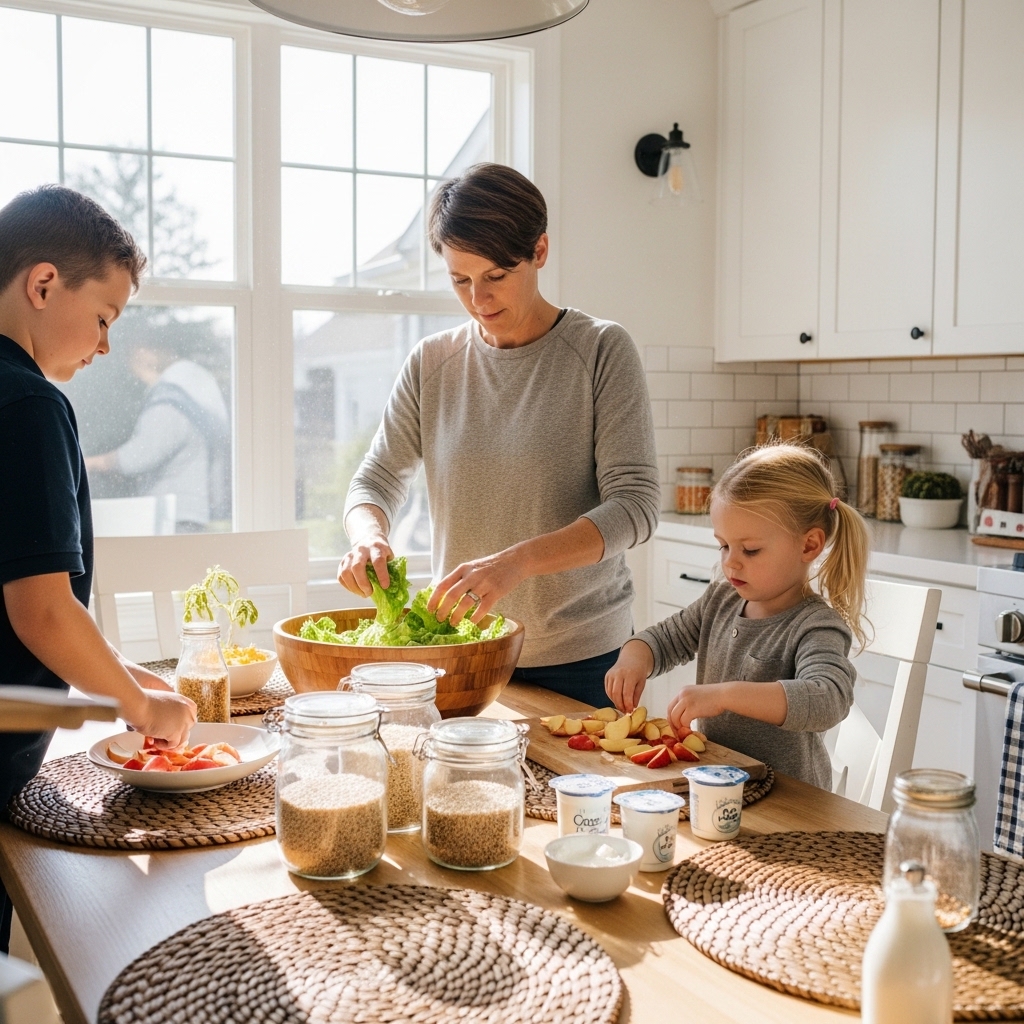
In Naperville, family life runs on full schedules and good intentions, from early school drop-offs to evening practices and weekend gatherings on the Riverwalk. Choosing organic food can be a way to simplify that busy rhythm by trusting the ingredients you put on the table. When produce tastes like itself and pantry staples are thoughtfully sourced, cooking becomes easier and more satisfying. If you’re exploring how organics fit your household, start by browsing a trusted store’s organic foods department and imagine how those choices would play out across breakfasts, lunchboxes, and weeknight dinners.
Why organic choices resonate with local families
Organic eating is not a trend here so much as a habit that grows from experience. Parents notice that crisp greens and lively fruit invite kids to snack without coaxing, and that weeknight dinners come together faster when ingredients are dependable. Families who cook often find that organic options help them focus on flavor, because fewer additives and a gentler approach to farming tend to let the ingredient lead. Over time, that confidence builds a routine: you know where to go for apples that hold their snap, yogurt that’s tangy and clean, and pantry goods that anchor quick meals without hidden surprises in the label.
Another reason organics resonate in Naperville is the connection to local seasons and landscapes. When we cook with what’s in rhythm—berries in summer, apples in fall, roots and hearty greens in winter—we align our meals with what’s fresh and abundant. That rhythm naturally steers families toward simple, satisfying food. It also reduces decision fatigue. Instead of asking what to make, you ask what’s best right now, and the answer suggests itself as soon as you step into the produce section.
Flavor, texture, and the pleasure of eating together
Families tell me that the biggest benefit of organic food is the way it tastes. That may sound basic, but it matters on a Tuesday night when time is short. Tomatoes that smell like summer need little more than salt and oil. Apples that are heavy and crisp become snacks without effort. Greens with bounce turn into salads that don’t wilt at the table. When food tastes good, kids eat willingly, and family meals run with less friction. That ease is a gift on busy evenings and weekend afternoons alike.
Texture is part of the pleasure. Carrots with snap encourage kids to crunch their way through vegetables, and tender herbs persuade them to try new flavors piece by piece. For adults, the difference shows up in cooking. Roasted vegetables caramelize more reliably, and soups taste layered rather than flat. When ingredients start strong, even the simplest recipes feel generous.
Confidence in sourcing and labels
Organic labels serve as a baseline for families who want clarity about how food is grown and processed. In produce, the label tells you that synthetic pesticides and fertilizers are avoided and that growing practices support soil health. In packaged goods, an organic label can simplify shopping for snacks, cereals, and sauces by setting a clear standard you can rely on. The best stores in Naperville go a step further with shelf tags, ingredient transparency, and staff who can answer questions about where foods come from and how they are made.
For households managing allergies or dietary preferences, this clarity is especially useful. When the labeling is consistent and staff are knowledgeable, you spend less time decoding fine print and more time choosing foods that fit your family. Over time, you build a mental map of brands and items that work. That predictability reduces stress and helps you shop faster.
Eating organically through Naperville’s seasons
Naperville’s seasons naturally shape a family’s organic routine. Spring brings tender greens and herbs for lighter meals that hint at warmth. Summer turns the table into a garden—tomatoes, cucumbers, berries, and sweet corn—perfect for salads, quick sautés, and grilled dinners that gather everyone outside. Fall leans hearty with apples, squash, and brassicas that roast beautifully and hold up in lunchboxes. Winter pulls from storage crops, citrus, and well-chosen pantry goods to build soups, stews, and casseroles that comfort without monotony. When you view your family’s menu through this lens, you buy what’s peaking and enjoy it in simple ways that kids recognize and appreciate.
With children, seasonal eating becomes an education. They learn that strawberries don’t taste the same year-round and that apples come in more varieties than they imagined. That curiosity spills into the kitchen as they help wash greens or stir a pot of soup. Engagement is often the quiet key to better eating; kids who participate, taste. Organic shopping gives you better raw material for those moments of discovery.
Kitchen rhythm: turning good ingredients into quick meals
Organic food supports a steady kitchen rhythm. If you set aside a bit of time on Sunday to wash greens, roast vegetables, and cook a pot of grains, you can assemble dinners in minutes throughout the week. A bowl becomes a meal when you add crunchy lettuce, sliced cucumbers, tomatoes, beans, and a favorite dressing. A pot of soup stretches across two nights when you swirl in chopped kale at the end. Even breakfasts benefit: yogurt meets sliced fruit, oats simmer with apples and cinnamon, and smoothies blend berries with greens for a quick, colorful start to the day.
The pantry partners with produce in this routine. Beans, whole grains, broths, and sauces give you flexibility when schedules change. If practice runs late, you can pivot to a skillet with peppers and onions or a quick pasta with blistered tomatoes and basil. When the building blocks are organic and dependable, you don’t have to plan elaborate recipes; you just assemble and season, knowing the flavor will cooperate.
Community values and environmental care
Naperville families care about how food choices affect the place we live. Organic practices that support soil health and biodiversity align with that care, as does the reduced reliance on synthetic inputs. While we all buy from a range of sources to keep the kitchen running, families often seek stores that feature regional producers when seasons allow. That support keeps flavor high and shortens the path from field to plate. It also anchors a sense of community; your meals carry the character of the place you call home.
Waste reduction is another benefit. When fruits and vegetables are lively, they last longer, and you end up throwing away less. A few good habits help—storing greens properly, keeping delicate items visible so they’re eaten first, and turning leftovers into lunches. Sustainability becomes practical rather than abstract when your crisper and pantry are set up to help you succeed.
Working organics into a real family budget and schedule
Every family balances ideals with reality, and organics can fit that balance with a little planning. Focus first on the items you eat most often and the ones where flavor makes the biggest difference—fruit for lunchboxes, greens for salads, and staple pantry goods. Buy what’s in season because it tends to be abundant and vibrant. If time is the limiting factor, look for helpful shortcuts that respect quality, such as prewashed greens or cut fruit for the most hectic mornings. Over time, you’ll identify which convenience items save your week without sacrificing standards.
Naperville households also benefit from flexible shopping. Some weeks call for a full in-store visit; others are better served by pickup or delivery. Blending options helps you keep your kitchen stocked even when schedules are unpredictable. If you have a favorite cashier or produce lead who knows your tastes, let them guide substitutions or suggest what’s tasting best. Those small relationships add up to better carts and happier meals.
Reframing picky eating with better ingredients
Picky eating often softens when ingredients are appealing. Crunchy cucumbers, sweet cherry tomatoes, and crisp apples invite kids to experiment without pressure. Serve vegetables plainly first so they can understand the flavor, then layer on dips and dressings. Let children choose a new item once a week and decide how it’s prepared. A sense of ownership helps, and organic produce gives you better odds that the first bite will be a pleasant surprise rather than a chore.
Cooking together can turn resistance into curiosity. Assign simple tasks—washing greens, tearing herbs, stirring a pot—and taste as you go. When kids learn the difference between a ripe peach and one that needs a day on the counter, they start to see food as alive rather than fixed. That shift changes how they eat for years.
Staying steady through the school year
As the school calendar fills, a few steady practices keep organic eating easy. Pack lunches the night before with textures that travel well—crisp apple slices, carrot sticks, cucumbers, and sandwiches loaded with greens. Keep a fruit bowl on the counter and a container of washed vegetables in the refrigerator so snack choices are obvious. On sports nights, lean on simple dinners that assemble fast: grain bowls with roasted vegetables, quesadillas stuffed with peppers and onions, or soups you can warm and finish with herbs. The point is not to cook elaborately but to cook reliably with ingredients you trust.
Weekend cooking becomes family time. A trip to the store turns into a small adventure when kids pick out the apples for a crisp or the tomatoes for a salad. Back at home, put on music and cook together in a low-pressure way. The more positive experiences kids have around fresh food, the more likely they are to reach for it without prompting.
Checking in with your store
Every so often, pause to reassess. Are you still buying the items your family eats most? Are there new products that fit your routine better? Take ten minutes to walk the aisles with fresh eyes and to talk with staff about what’s peaking. Stopping by the store’s organic foods section can spark ideas—a new grain for quick bowls, a yogurt that pairs with fruit in the morning, or a different variety of apple that holds up in lunchboxes. Those small tweaks keep meals interesting without adding complexity.
Frequently Asked Questions
Here are answers to questions Naperville parents often ask when deciding how organics fit their households.
Does organic food really taste different?
Often, yes. Because organic growing emphasizes soil health and balance, flavors tend to be clearer and textures livelier, especially with produce. You’ll notice it most in items you eat plain—berries, apples, tomatoes, and greens—which is why families frequently start there.
How do I keep organic produce from going to waste?
Store items properly, prep what you can on the day you shop, and keep delicate foods visible so they’re eaten first. Plan a midweek refresh for herbs and salad greens. Turning leftovers into lunches also reduces waste and keeps the week easy.
Can organic eating work with tight schedules?
Yes. Focus on dependable staples and use a little prep on weekends to set yourself up. Choose quick-cooking meals that let produce shine and lean on pickup or delivery when the week is crowded. The goal is not perfect planning but steady, enjoyable cooking.
Where should I begin if my family is new to organics?
Start with the foods you eat daily and those where flavor matters most. Build a core list—fruit for snacks, greens for salads, and a few pantry items—then expand as you find favorites. Talk to store staff about what’s tasting best now to avoid trial-and-error.
How do organics fit into the seasons?
Shop what’s peaking—berries and tomatoes in summer, apples and squash in fall, roots and hearty greens in winter—and let those ingredients lead your meals. Seasonal cooking simplifies decisions and improves flavor, making weeknights easier.
Will my kids actually eat more vegetables if they’re organic?
Many families find that when produce is lively and sweet, kids are more willing to try it. Involving them in shopping and simple prep builds curiosity, which often translates into better eating without pressure.
Ready to make organics part of your family routine?
Small, steady choices build a household where meals are easy and satisfying. Begin by visiting a grocer you trust and walking through its organic foods department with your week in mind. Choose a few staples, add what’s in season, and let flavor lead. With approachable habits and ingredients that earn your confidence, your Naperville kitchen will feel brighter, calmer, and more connected to the place you call home.