When neighbors in Naperville talk about where they truly trust to buy organic food, they are usually thinking about more than a produce display or a helpful cashier. Trust here is built on consistent quality, thoughtful sourcing, and a sense that the store understands the rhythm of local life—from school pickup lines along 75th Street to weekend strolls on the Riverwalk. In the first moments you step into a reliable shop, you can feel it in the crispness of the greens, the clarity of labeling, and the way team members speak confidently about how an item was grown or raised. If you are exploring options and want a dependable starting point, take a moment to look at a local grocer’s organic foods department, then compare what you see with your own expectations for freshness, transparency, and community care.
What trust looks like in an organic food store
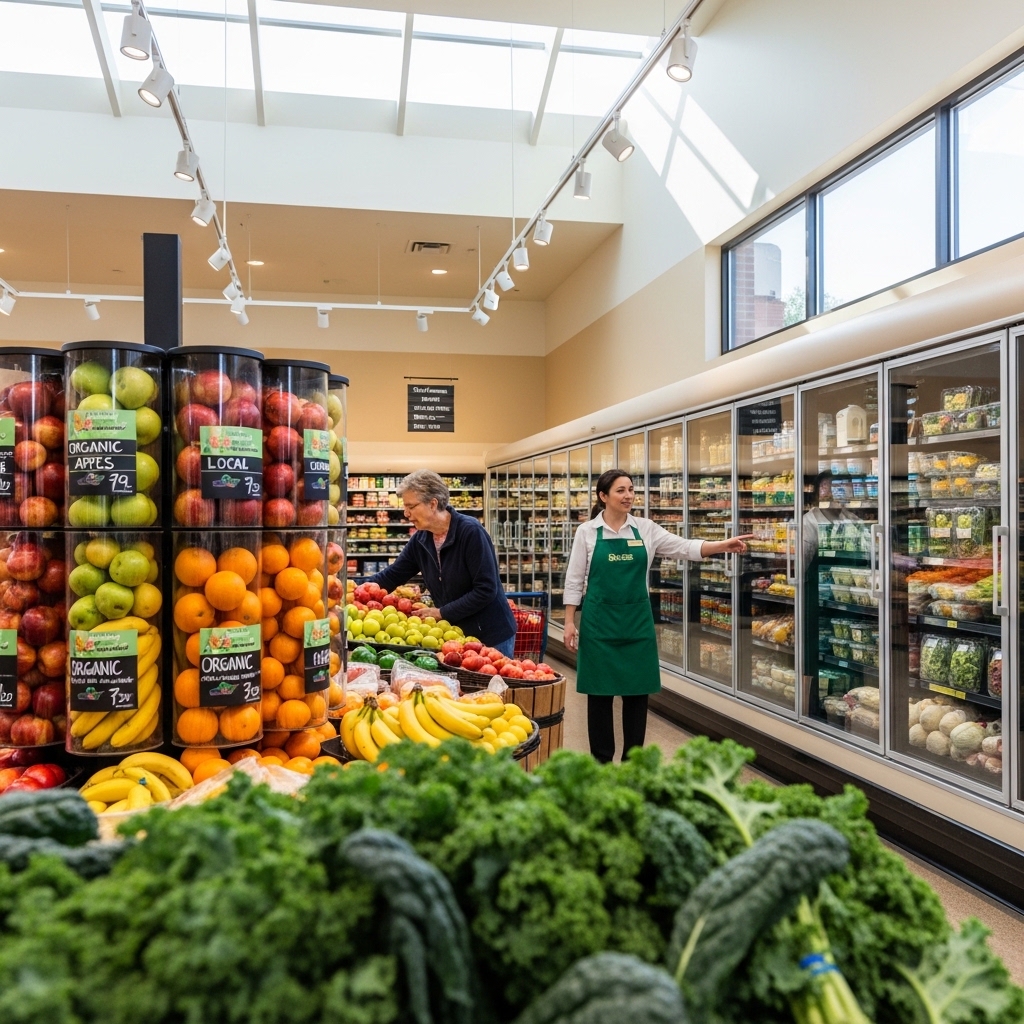
Trust shows up in small, consistent details. You notice it when the kale is perky at opening and still vibrant near closing, when the fruit is rotated to keep what’s ripe up front and what needs a day a little farther back, and when the refrigerated doors close softly to protect temperature-sensitive items. In Naperville, where families balance commutes, sports practices, and weekend gatherings, a trusted store makes organic shopping feel effortless. That means clear signage, straightforward certifications, and a staff ready to talk about the difference between a local organic label and a national one without making you feel rushed. It’s also about seeing a strong selection across categories, from produce and pantry staples to dairy alternatives and ethically sourced meats, so you can complete a full shop without compromise.
There is also a uniquely Naperville quality to stores that earn loyalty. They tend to reflect the neighborhoods around them: a produce manager who remembers the apples your kids love, a cashier who checks eggs with you, a manager who asks how the greens held up over the week. This sense of continuity matters. When the same people are curating the selection season after season, they build an intuitive understanding of what local households actually cook and when. In late summer, for example, they anticipate the rush for tomatoes and basil; in midwinter, they ensure there are hearty greens and organic pantry goods for soups and stews.
Sourcing, certifications, and real transparency
Beyond first impressions, the backbone of trust is sourcing. A store you can rely on will be candid about where items come from and how they were grown. That means you will see clear organic certification on packaged foods and honest signage for produce, including when an item is local, regional, or from farther afield to bridge seasonal gaps. In a Midwest climate, even the best stores balance local and non-local options during the cold months, but the difference lies in how openly they explain those choices. You might find a small sign noting the farm coop supplying the greens or a brief note about why a particular shipment of berries was selected for flavor and integrity.
Staff knowledge is an extension of that transparency. When you ask about greens harvested in Kane County or eggs coming from a nearby producer, a trustworthy team doesn’t guess—they look up the details or bring over a colleague who knows. They can discuss how a particular farm manages soil health or why a roasting chicken from one producer yields a notably richer broth than another. If you have dietary needs, they guide you to products that meet those standards without leaving you to decipher labels alone.
Freshness you can see, smell, and taste
Freshness is where trust becomes tangible. In the produce section, you’re looking for bright color, perky leaves, and a gentle scent that hints at flavor without being overpowering. Good stores manage temperature and humidity carefully, and it shows. Fresh herbs don’t wilt within a day, salad greens stay lively, and berries hold their structure instead of collapsing. For items like organic carrots, beets, or radishes, you want firm roots with crisp greens when they’re sold attached. When you bring them home, they should last because they were handled correctly from the field to the shelf.
In refrigerated cases, watch how items are stocked and rotated. Yogurts and kefirs should show dates with a comfortable cushion, and the team should be quick to pull anything nearing expiration. Meats and plant-based proteins should be displayed with care, never crowded or left to drip. Bulk bins—if the store offers them—are frequently checked for turnover and cleanliness. Reassuringly, the best stores in Naperville will invite feedback. If you spot something that looks tired, they want to know, not to make excuses but to course correct immediately.
Community values woven into the aisle
Trusted organic stores don’t operate in a vacuum; they reflect the priorities of the community around them. In Naperville, residents care about sustainability, food waste reduction, and supporting regional producers when possible. A store that takes these values seriously may feature compostable packaging where feasible, offer thoughtful recycling, and work with local food recovery efforts to ensure edible items never go to waste. Seasonal promotions will often spotlight Midwest-grown items, bringing in the flavors of nearby farms at their peak.
Education is another marker of trust. Helpful stores offer casual guidance without preaching, providing seasonal cooking tips or pairing ideas when you’re eyeing a new ingredient. It might be a produce sign suggesting how to roast delicata squash or a dairy case note explaining the difference between grass-fed and grass-finished. This approachable, local guidance turns the store into a resource, not just a place to transact.
How Naperville shops the seasons
Our seasons shape the organic basket. Spring introduces tender greens, asparagus, and the first herbs; summer opens into sweet corn, tomatoes, cucumbers, stone fruit, and bright berries; fall brings apples, squash, and hearty brassicas; winter leans into storage crops, citrus from warmer regions, and pantry staples to nourish soups and casseroles. A store you trust honors this rhythm and plans accordingly. They don’t stretch blueberries past their prime; they pivot to pears and apples with enthusiasm, offering varieties suited to baking, snacking, and saucing.
In the middle of your shopping year, perhaps sometime between summer tomatoes and fall apples, it’s worth pausing to compare your usual route with a fresh look at what your go-to grocer is doing in organics. Drop by the produce section and the center aisles, and—if you haven’t lately—browse their organic foods selection to see how it has evolved with the season. You might notice more local labels, a new line of gluten-free staples, or dairy alternatives that froth better for morning lattes.
Practical strategies for a reliable shop
Trust deepens when a store makes it easier for you to succeed in your kitchen. That can start with simple, practical strategies. Shop the perimeter first to anchor your cart in produce, dairy, and proteins, then fill in pantry goods. Ask about delivery or pickup if your schedule is tight, especially during sports seasons. When possible, shop earlier in the day for the widest selection of berries and greens. If you cook on Sunday for the week, plan a midweek top-up for delicate items like herbs and salad mixes. A trusted store understands these rhythms and keeps quality consistent throughout the week, not just on weekends.
Label literacy also matters. Organic certification tells you a lot, but reading the ingredient lists reveals the rest. The best stores make label-reading easier with shelf tags and well-trained staff who can quickly point out differences between brands. Over time, as you build your own core list of trusted items—from a favorite whole-grain bread to a standby yogurt—you’ll notice shopping becomes faster without sacrificing standards.
Balancing budget, values, and taste
While we won’t discuss specific costs here, we can talk about value. The stores that earn loyalty in Naperville aren’t always those with the flashiest displays; they’re the ones that deliver flavor and reliability consistently. You may find that certain fruits or vegetables are worth prioritizing in organic form due to how you use them most often. If your family devours apples daily, for instance, it makes sense to choose organic varieties that are crisp and aromatic. For pantry goods, you might anchor your rotation around organic beans, grains, and broths, then layer in specialty items as the week’s menu takes shape.
Value is also comfort and convenience. If a store offers helpful preparation—freshly washed greens, trimmed vegetables, or prepped fruit for quick packing—it can simplify busy evenings. When a butcher or produce lead remembers your preferences, you avoid trial-and-error. Over time, these small efficiencies translate into a calmer kitchen and more consistent meals, which is why many Naperville households return to the same stores week after week.
Listening to your senses and routine
When deciding which stores earn your trust, let your senses and routine guide you. Notice the sound and feel of the produce section, the way the store smells near the herbs and citrus, and the texture of the vegetables when you gently test them. Pay attention to how you’re greeted, how questions are received, and whether the team circles back with answers. Try a few different days and times to get a realistic sense of stocking patterns. Bring home a selection of items and see how they hold up across the week. In Naperville’s varied climate, durability matters, and a dependable organic store helps ensure that what you buy on Saturday is still delicious on Wednesday.
Finally, check how the store ties into the broader community. Do they feature regional producers when available? Do they highlight sustainability wins, like improved packaging or food recovery initiatives? Are there seasonal displays that reflect what’s really in peak condition, rather than pushing items past their best?
Frequently Asked Questions
If you are new to organic shopping in Naperville or simply refining your routine, these common questions and answers can help you navigate with confidence.
How can I quickly judge whether a store’s organic produce is genuinely fresh?
Look for cues like crisp leaves on greens, firm roots on vegetables, and vibrant color across the display. Smell can be a guide too; tomatoes and berries should have a subtle, inviting aroma. Ask a team member when shipments typically arrive, then time your visits accordingly. Over a few trips, note how long items last at home. Consistent longevity is a strong indicator of proper handling and storage at the store.
What does it mean when a store balances local and non-local organic items?
In our Midwest climate, not everything can be local year-round. A trustworthy store explains when an item is sourced from nearby farms and when it’s supplemented from other regions to maintain quality. The key is transparency—clear signage and knowledgeable staff—so you know why a particular choice was made and can decide what fits your priorities.
How should I store organic produce to make it last through the week?
Separate delicate greens and herbs from ethylene-producing fruits like apples and pears. Use breathable containers for berries and keep most greens in the crisper with a clean towel to absorb moisture. Root vegetables often prefer a cooler, drier drawer. If you prep items right after shopping—washing, drying, and loosely packing—you reduce friction on busy nights and preserve freshness.
Is organic always better for every item on my list?
Organic is one part of a broader picture that includes taste, seasonality, and how you cook. Many Naperville households prioritize organic for frequently eaten produce, dairy, and proteins, while also considering a food’s role in weekly menus. The most trusted stores support these choices with reliable options across categories, letting you decide where organic matters most for your family.
What should I ask staff if I’m unsure about a label or certification?
Start with where the item was grown or produced, which certification body verified it, and how often the store receives fresh shipments. If you have dietary needs, ask whether the product is processed in a facility that meets your standards. A dependable team will either know the answer or quickly find someone who does, and they’ll welcome the questions.
How can I align my shopping with Naperville’s seasons?
Build a loose template that shifts with the weather: spring greens and asparagus, summer tomatoes and berries, fall apples and squash, winter roots and pantry staples. A trusted store will make it easy to lean into these peaks, offering cooking suggestions and thoughtful substitutions when weather affects availability.
Ready to find your trusted organic store in Naperville?
Choosing where to shop is about more than crossing items off a list—it’s about feeling confident that what you bring home will nourish your household and support the community you love. If you want a simple way to start, visit a local grocer and explore its organic foods department with your weekly menu in mind. Notice how the produce looks, ask a few sourcing questions, and see how long the items last in your kitchen. When a store delivers on freshness, transparency, and care, you will feel it in every meal, from quick breakfasts to Saturday dinners. Naperville families thrive on routines that work, and your organic shop can be one of the most satisfying parts of that rhythm.