For families in and around Naperville, choosing organic halal meat reflects a commitment to both faith and food principles. It means looking for products that honor halal guidelines while also aligning with organic practices like careful feed selection, responsible land use, and a measured approach to animal health. Over the past decade, interest has grown steadily as more households seek ingredients that tell a clear story from farm to table. When you set out to find the right source, you’ll discover that the best experiences combine transparency, craftsmanship, and a respect for the environment—all of which translate to satisfying meals built on ingredients you trust. Early in the search, many locals find it helpful to identify a reliable counter for organic halal meat that can discuss both certification paths and the practical realities of supply.
Organic standards start on the farm, but they influence every step of the journey. Farmers who pursue organic certification commit to specific feed protocols, limits on synthetic inputs, and attention to soil health. These practices shape not only the welfare of the animals but also the larger ecosystem that supports them. When halal practices are layered onto this foundation, the result is a product whose integrity spans both belief and sustainability. In conversations with butchers around Naperville, you’ll hear about how those upstream choices influence flavor, texture, and cooking behavior. Consistency tends to follow systems that are disciplined and transparent.
Tracing the path from farm to counter requires documentation and discipline. Responsible suppliers maintain batch-level records that travel with each shipment, detailing where animals were raised and where processing occurred. While the specifics vary among operations, the intent is the same: establish a chain of custody that respects both organic and halal requirements. At the store level, that translates to careful receiving, storage, and labeling, as well as staff who can answer straightforward questions about how integrity is preserved from delivery to display.
Because organic production often happens at a smaller scale, availability ebbs and flows. Naperville shoppers learn to plan around that rhythm, staying flexible about cuts and ready to adapt a recipe if a particular piece isn’t in stock. This is where communication with your butcher matters; letting them know your cooking plans helps them suggest alternatives that preserve the spirit of your dish. Over time, this collaboration becomes second nature, and you build a roster of go-to choices that match your household’s tastes.
Flavor-wise, organic halal meat wins over home cooks with its clarity and balance. In stews, you’ll notice a clean, persistent savoriness; on the grill, you get a confident crust and a tender center that tastes like the best version of the cut. Some families say the difference shows up most in simple preparations—salt, pepper, and a splash of lemon—where there’s nowhere to hide. Others find it in slow-cooked dishes, where patience reveals layers that feel both familiar and quietly elevated. Either way, the draw is less about trend and more about a reliable experience at the table.
From a community perspective, interest in organic halal products has sparked conversations about stewardship. Parents want to teach their children how food choices connect to land, water, and animal life. Mosques and community groups sometimes host discussions where farmers and butchers explain their work, and neighbors swap recipes that highlight seasonal ingredients. In Naperville, these threads weave together into a local culture that values knowledge and encourages curiosity.
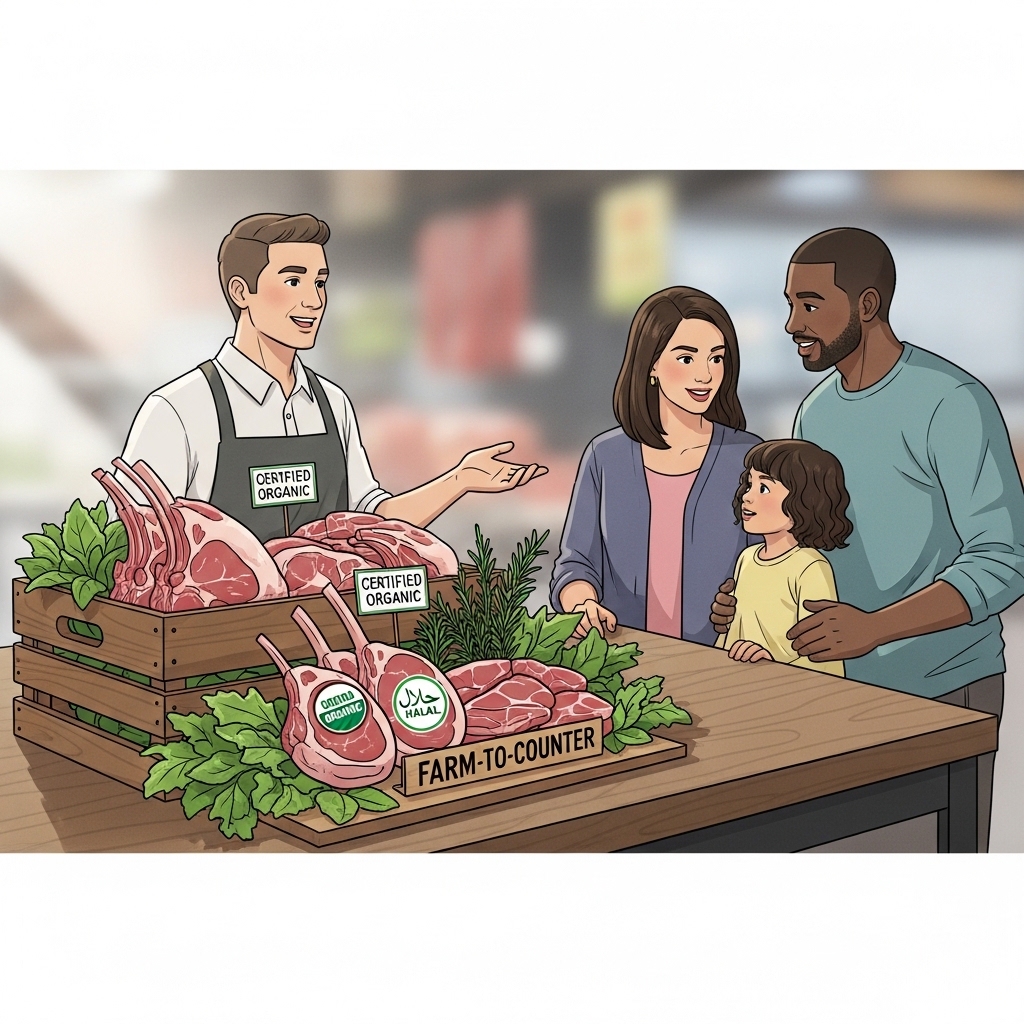
When you step into a shop that specializes in organic halal meat, expect the staff to speak comfortably about sourcing partners, farm practices, and the interplay between certification systems. They should explain how they prevent cross-contamination, how they rotate stock, and which days are best for certain cuts. They might also offer guidance on storage—how soon to cook a particular cut, how to freeze with minimal loss, and how to thaw so texture remains intact. These are the small, practical touches that protect the quality you’re paying attention to.
In the middle of the week, when time is tight, having a reliable place to pick up organic halal meat keeps dinner plans on track. A quick conversation at the counter can turn a vague idea into a concrete menu, with cuts chosen to match cooking time and technique. You might pivot from a roast to a skillet meal based on what’s freshest, or grab bones for stock to anchor weekend cooking. That mix of flexibility and trust makes everyday meals smoother and more enjoyable.
Seasonality matters, even with meat. In spring and early summer, roasts give way to grill-friendly selections; in fall and winter, braises and stews take center stage. The best counters anticipate these shifts and offer suggestions that make sense for the weather and the produce you’ll find at local markets. They help you pair hearty cuts with cold evenings and lighter options with sunny weekends, ensuring your table follows the same seasonal arc that shapes the city’s parks and backyards.
For households balancing multiple dietary preferences—maybe someone keeps strictly organic, another prioritizes leaner cuts, and a third wants something special for guests—communication is everything. Describe your plan to the butcher, and they’ll translate it into a set of recommendations that make your life easier. Good counters won’t oversell you; they’ll respect your budget, your timing, and your taste, and focus on delivering a consistent experience from week to week.
What makes meat both organic and halal?
Organic status relates to how animals are raised and how land is managed, focusing on feed, synthetic inputs, and environmental care. Halal status concerns slaughter, handling, and separation from non-halal products. When both are present, the meat adheres to two complementary standards that address different parts of the journey from farm to table.
How can I confirm a shop’s organic halal claims?
Ask for details about certification and sourcing. Staff should be able to name certifying bodies, describe farm practices in general terms, and explain in-store procedures that prevent cross-contamination. Clear, confident answers suggest systems you can trust.
Is there a noticeable difference in flavor?
Many Naperville cooks find that organic halal meat delivers a clean, steady flavor that shines in both simple and long-cooked preparations. While taste is subjective, consistent sourcing and careful handling tend to show up as reliability in the pan and on the plate.
How do I plan around availability?
Stay flexible about specific cuts and consider discussing your weekly needs with the butcher. They can suggest alternatives that fit your recipe and may alert you to the best days for certain items. Over time, this communication reduces last-minute scrambling.
What storage tips protect quality?
Portion before freezing, label clearly, and thaw slowly in the refrigerator. Pat meat dry before searing, and let it rest after cooking to settle juices. Ask the counter for cut-specific advice, which can make a noticeable difference in texture.
How does seasonality affect choices?
Warmer months favor quick-cooking cuts for grilling, while colder seasons invite braises and roasts. Shops that follow seasonal patterns help you match techniques to the weather and to the rest of your menu, including produce and pantry staples.
When you’re ready to bring thoughtful sourcing to your kitchen, choose a Naperville counter you trust for organic halal meat, ask questions about farms and handling, and let your butcher guide you toward cuts that fit your cooking style. With the right partner, every meal becomes an opportunity to express your values and enjoy honest, satisfying food.