
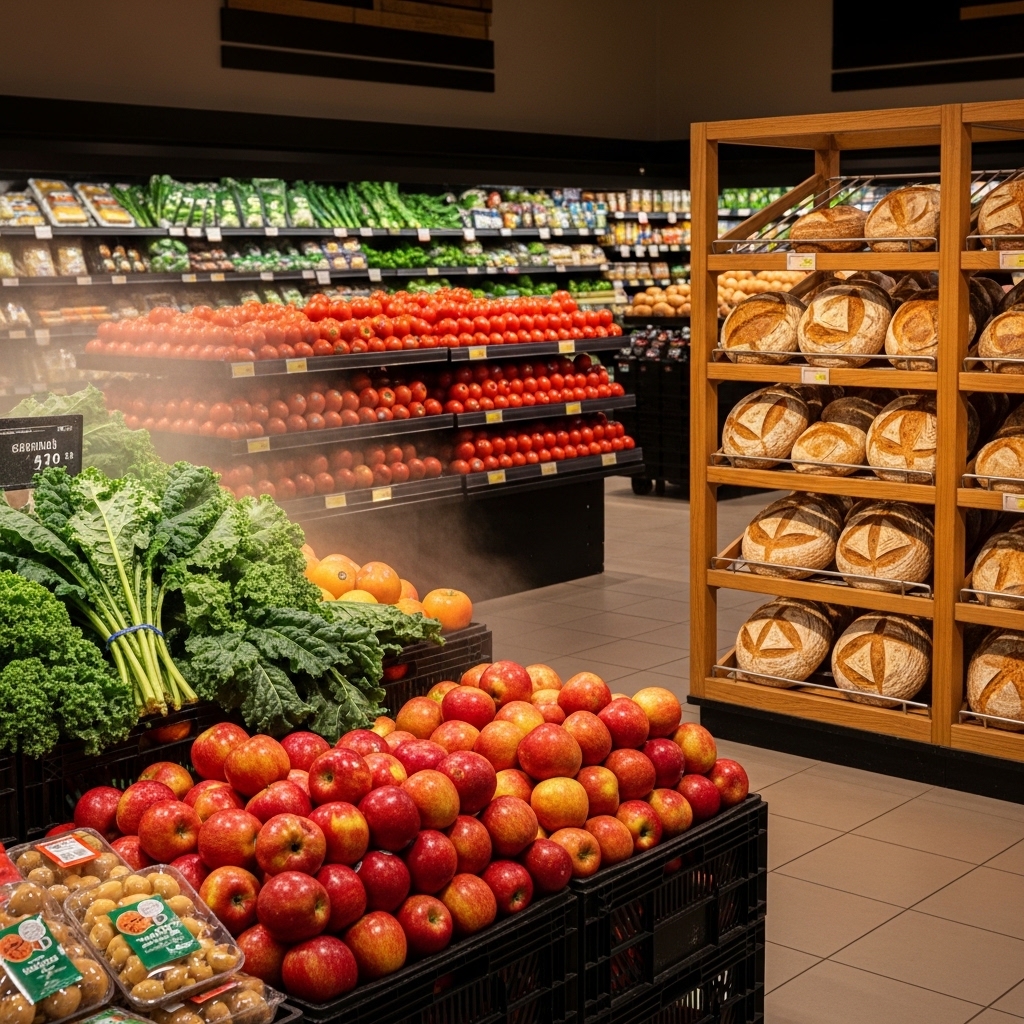
If you live in Naperville, you learn quickly that a great supermarket is more than shelves and checkout lanes; it is the rhythm setter for busy weekday dinners, leisurely weekend breakfasts, and the kind of neighborhood gatherings that fill a calendar and a kitchen at the same time. When neighbors ask where to find the crispest apples after a jog along the Riverwalk or a loaf that can turn a simple soup into a memorable meal, there is a shared understanding that the answer lies with the right produce department and a bakery that knows the difference between good and exceptional. That is why, whenever I plan a menu shaped by the seasons and the tastes of my household, I start with a quick glance at the weekly deals and head to the market that treats fruits, vegetables, breads, and pastries as the backbone of daily life.
The Naperville food scene is grounded in Midwest abundance, but the best stores here elevate that foundation with careful sourcing and a commitment to freshness that you can literally see and smell. On an early Saturday morning, when the doors slide open and that cool, earthy scent of newly misted greens drifts out, you can sense that the produce team was at work long before sunrise. Crates of leafy kale are rotated to highlight the most tender bunches, and tomatoes are displayed with enough space to breathe, avoiding bruises and allowing their fragrance to develop. The bakery crews, often starting as the rest of the town sleeps, send up waves of warmth: tangy sourdough, nutty whole wheat, and flaky croissants that make you think of special occasions, even when it is just a Tuesday.
Why freshness matters in Naperville’s climate
Our regional climate shapes what shines in the produce department. With cold winters and generous summers, it is not unusual to find a transitional mix: winter citrus crossing paths with the first spring greens, or late-summer peppers sharing space with the earliest root vegetables for fall roasts. The best supermarkets in Naperville anticipate these shifts, framing the displays so seasonal items feel like a natural progression rather than a sudden change. When strawberries arrive at peak sweetness, they are front and center, often placed beside mint and cream in the dairy aisle to nudge you toward shortcakes and smoothies. Later, when apple season peaks and families drive out toward DeKalb or into Michigan orchards, the store mirrors that energy with multiple varieties, from crisp, tart snacking apples to softer baking options that melt into pies.
Freshness is not only about when a fruit was harvested, but about how it is handled every minute from farm to cart. Naperville’s top produce departments use careful temperature control, frequent rotation, and staff who know the tactile cues of ripeness. Ask a clerk to help you find an avocado for guacamole tonight versus one to ripen for the weekend, and you will see a practiced method: a gentle press at the top of the fruit, a quick check of the stem, a tip about storing it on the counter versus the fridge. That kind of hands-on guidance turns a store into a partner in your kitchen rather than just a supplier.
Local and regional partnerships you can taste
People sometimes forget that our town sits within reach of a quilt of Midwest farms. The stores that excel in produce cultivate relationships that bring in items grown just beyond our daily commute. Sweet corn from nearby counties can appear within hours of picking, its sugars still high and husks bright and tight. In late summer, you will notice the difference with peaches from Michigan so fragrant you can smell them before you see them, and berries that have not traveled thousands of miles to get here. When a supermarket highlights these regional partnerships, the flavors are more vibrant and the textures more satisfying. You taste it most in the simplest dishes: charred corn tossed with lime and herbs, sliced tomatoes that need only a pinch of salt, or cucumbers that snap with equal parts water and sunshine.
There is also a cultural layer to local sourcing. Naperville’s population reflects many backgrounds, and the produce aisles respond with an ever-expanding range of staples—long beans and Thai basil alongside Italian parsley and dill, sturdy cabbages for Eastern European recipes next to tender herbs for Levantine salads. The stores that win our loyalty do not just stock these items; they label them clearly, suggest storage tips, and keep them fresh enough that you can plan a week’s worth of experimentation without racing against the clock.
The bakery as a daily ritual
If the produce section is where you plan, the bakery is where you dream. Standing in front of a rack of loaves, you can chart the tone of a meal with your choice of bread. A dense multigrain loaf invites a spread of soft cheeses and roasted vegetables; a baguette begs for a simple soup to let its crust and crumb take center stage; a rustic sourdough turns a tomato into dinner with little more than olive oil and a skillet. The best bakeries in town have learned that Naperville customers value both tradition and novelty. That means everyday sandwich bread that slices cleanly without crumbling, but also seasonal pastries that read like culinary postcards—cider-glazed doughnuts in fall, fruit tarts when berries are at their best, and holiday breads braided or dusted with sugar to honor family recipes from around the world.
Quality in the bakery is revealed by details. I look for loaves cooled fully before slicing, so the crumb sets and the flavor deepens. I notice whether the croissants shatter into paper-thin layers or compress into buttered dough. I ask questions: what kind of flour is used, is there a long fermentation that coaxes deeper notes, how are fillings made for pastries—are they cooked in-house or assembled from mixes? In the most trusted bakeries, staff respond with enthusiasm and specifics, often steering you to something you might have overlooked—an olive loaf with a tang that pairs with roasted chicken, or a rye that transforms a simple deli sandwich into a weekday victory.
From cart to kitchen: making produce last
One of the most common questions neighbors ask is how to keep produce lively once it is home. The right store sets you up for success by selling items at their best stage, but a few habits stretch that quality. I store leafy greens with a dry paper towel in the container to absorb moisture, leaving the lid slightly ajar for airflow. For herbs, I treat them as flowers: trim the stems, place them in a jar of water, and tent loosely with a plastic bag in the refrigerator. Tomatoes stay on the counter unless they are overripe, while berries get a quick rinse just before eating to avoid premature breakdown. The fact is, a good produce department reduces waste by moving inventory briskly and by helping customers match ripeness to their schedules. When you buy a mix of ripe-now items and slower-ripening backups, you create a rolling harvest at home.
There is also the joy of prep rituals. On Sundays, I wash and cut what I can eat within a couple of days, keeping everything visible at eye level in the fridge. Roasting a tray of vegetables early in the week creates instant building blocks—tossed into salads, folded into omelets, or served beside fish. A bakery loaf becomes more versatile when sliced and frozen in portions; you can toast what you need and keep the rest at peak quality. These routines turn a single trip to the store into several days of easy meals, each one anchored by the foundational quality of the produce and bread.
Seasonal inspirations that shape the week
Naperville’s calendar of community events can inspire the way you shop. A concert at the Riverwalk might suggest picnic fare: crisp cucumbers, cherry tomatoes, hummus, and a crusty loaf torn into chunks. A Saturday morning youth sports schedule could call for grab-and-go fruit, yogurt, and breakfast pastries that feel celebratory without being fussy. Winter weekends tilt toward simmering pots and slow-baked treats, and the best stores lean into that mood with sturdy root vegetables, citrus that brightens gray days, and breads that toast beautifully, turning the whole kitchen aromatic. Shopping becomes less of a chore when the store seems to anticipate what your week looks like, offering not just ingredients but ideas.
Midweek is often when I rediscover the produce department with fresh eyes. Maybe I return for a second bundle of asparagus after realizing how quickly the first disappeared, or I find a new bread the baker has introduced—a seeded batard that stands up to hearty spreads, or a fluffy pan loaf that makes a child’s lunch feel special. In those moments, I glance again at the weekly deals not simply to save, but to unlock pairings I might not have planned. If cauliflower is featured, I roast it with lemon and tahini and serve it alongside slices of herb focaccia. If pears are perfect, I thinly slice them for sandwiches with soft cheese on a grainy bread. The link between produce and bakery becomes a conversation in flavors.
Community connections and culinary traditions
What makes our supermarkets feel particularly Naperville is the way they quietly support the community’s rhythm. Staff members remember regulars by name, ask about last week’s experiment with a new variety of greens, and point out a bakery item that sold out quickly yesterday but just came out of the oven today. Around the holidays, the bakery glows with braided loaves and decorated cookies that feel like a small museum of traditions. You can see families picking up breads that match their celebrations, sharing stories of grandparents who kneaded dough by hand and the modern shortcuts that fit into a suburban schedule. Produce displays capture similar moments—pomegranates for winter tables, herbs for spring lamb, zucchini for summer cookouts, pumpkins that double as porch decor before becoming soup.
This local spirit is about more than nostalgia. It is also practical. When a store knows its neighbors, it orders wisely and keeps quality high. It can rotate inventory so that nothing lingers beyond its prime, reducing waste and ensuring the items you bring home will shine. That efficiency shows up in little victories: berries that last through Thursday, bread that stays tender for lunches and then toasts beautifully by Friday, greens that remain crisp even after a couple of days beside leftovers in the fridge.
Finding your favorites without rushing
One of the pleasures of a well-run supermarket is the absence of hurry. You can wander long enough to let ideas bubble up, trusting that the bread you want will still be there and that the produce will not fade as the day warms. In Naperville, the stores that handle the morning rush well maintain calm pathways and intuitive layouts. The bakery’s warm aroma draws you naturally, and the produce flows from sturdy items at the entrance to delicate herbs and berries deeper in, so carts do not crowd fragile displays. Signage helps you locate specialty items without scanning every shelf, and staff circulation feels like skilled hospitality rather than hovering. That atmosphere coaxes you toward better choices because you have room to think clearly about what will truly work in your kitchen.
For me, the ritual ends with a quiet check: do I have something bright, something green, something sweet, and a loaf that can do more than one job? If the answer is yes, I know the week will go well. A crusty bread elevates a salad into a meal, a ripe tomato turns toast into dinner, a handful of berries makes breakfast joyful. The store’s role, as I see it, is to make those small triumphs possible without fuss.
Practical tips from the bakery counter
The baker’s advice can extend the life of your loaf and amplify its flavor. If you plan to finish a bread within two days, keep it at room temperature in a paper bag or cut side down on a board to protect the crumb; if not, slice and freeze portions, using a bit of steam in the oven or toaster to refresh. For pastries, allow them to come to room temperature before serving to wake up the butter and the aroma. If you are pairing bread with produce-driven dishes, think about contrast: a tangy sourdough with sweet tomatoes, a mild country loaf with peppery arugula and sharp cheese, a nutty whole grain with roasted squash and sage. Ask the bakery staff what they enjoy with current produce standouts; their daily proximity to both sections makes them reliable guides.
Cooking at home with confidence
There is a satisfying loop that forms when you shop, cook, and return. I often tell friends in Tall Grass or Ashbury that confidence in the kitchen grows not from complicated recipes but from trustworthy ingredients and a few feedback loops. If a salad sings on Monday, note the greens, the acid, the crunch, and repeat the combination with a twist later in the week. If a loaf disappears faster than expected, try a second style next time and discover which sandwiches your family loves. The store becomes a partner in this ongoing experiment, with the produce and bakery departments acting like reliable collaborators.
Part of that confidence is knowing when to keep it simple. A sheet pan of roasted vegetables, a little olive oil, a squeeze of lemon, a sprinkle of salt, and a wedge of bread can carry a dinner, especially when the vegetables taste like themselves and the crust shatters with a soft interior. On other days, baking at home might call your name: using store-bought flour and yeast, you try a simple focaccia or no-knead loaf and then pair it with the market’s fresh toppings. A good supermarket cheers you on either way.
Midwestern hospitality, one cart at a time
For all its efficiency, the best store experience still feels personal. I have seen staff quietly help a new parent juggle a cart and a stroller, point a college student toward a loaf that stretches across several meals, and guide a home cook through the choices for a charcuterie board that relies more on vegetables and bread than on elaborate extras. Those gestures are small, but they accumulate into trust. You leave feeling supported, as if the store wants you to succeed in the kitchen, not just at checkout.
Back home, as you unload produce that still glistens and bread that still crackles, the payoff is immediate. You taste the peach and it tastes like August. You break a piece of baguette and it sounds right. You tear into a muffin and the crumb is tender, not dry. Those clues tell you the store did its job and that your meals this week will be built on solid ground.
Frequently asked questions about produce and bakery in Naperville
How do I tell if produce is truly fresh at the store?
Look for color that is vivid without being glossy to the point of waxy, stems that appear moist rather than brittle, and leaves that have life to them. In Naperville’s best produce sections, items are rotated frequently, so you should not see limp greens or damp berries. Ask staff for a quick ripeness check; they know the signs and will guide you to items suited for tonight versus later in the week.
What bread should I choose for everyday meals?
Pick a versatile loaf that slices neatly and toasts well, such as a country white or light wheat, then add a second, more character-rich bread like a sourdough or multigrain for weekend meals. The combination keeps weekday lunches stress-free while giving you a flavorful option for soups, salads, and cheese boards.
How can I keep bakery items fresh without losing texture?
Room temperature storage works best for breads you will finish within a couple of days; avoid plastic unless you prefer a softer crust. For longer storage, slice and freeze, then warm in a toaster or oven with a touch of steam. Pastries benefit from being warmed gently to revive flaky layers and aromatic fillings.
What seasonal produce should I watch for in our area?
Spring brings tender greens and asparagus, summer delivers berries, tomatoes, cucumbers, and sweet corn, fall highlights apples, pears, squash, and hardy greens, and winter showcases citrus and sturdy roots. The top stores make these transitions easy to spot with thoughtful displays and staff suggestions.
Can I get help pairing breads with produce-heavy dishes?
Yes. Ask the bakery team what they like with whatever produce is shining that week. A peppery arugula salad sings with a mild loaf, while a tomato tart loves a tangy sourdough. Staff often taste across departments and can offer pairings you would not think of on your own.
If you are ready to bring home the kind of produce and bread that make everyday cooking feel inspired, start by checking the latest weekly deals, set aside a little unhurried time to explore the aisles, and let the aroma of fresh loaves guide your cart toward the ingredients that will shape your best meals this week.