
Cooking with local produce in Naperville is less about strict recipes and more about keeping pace with the seasons. When you build meals around what tastes best right now, dinner almost cooks itself. From a quick salad after a walk along the Riverwalk to a cozy soup on a snowy evening, the key is to shop smart, prep simply, and let fresh ingredients do the heavy lifting. If you are just beginning to weave seasonal cooking into a busy schedule, start with a few dependable staples and a flexible plan, and keep a core set of organic foods on hand so you can pivot when the week surprises you.
Spring: bright, green, and full of promise
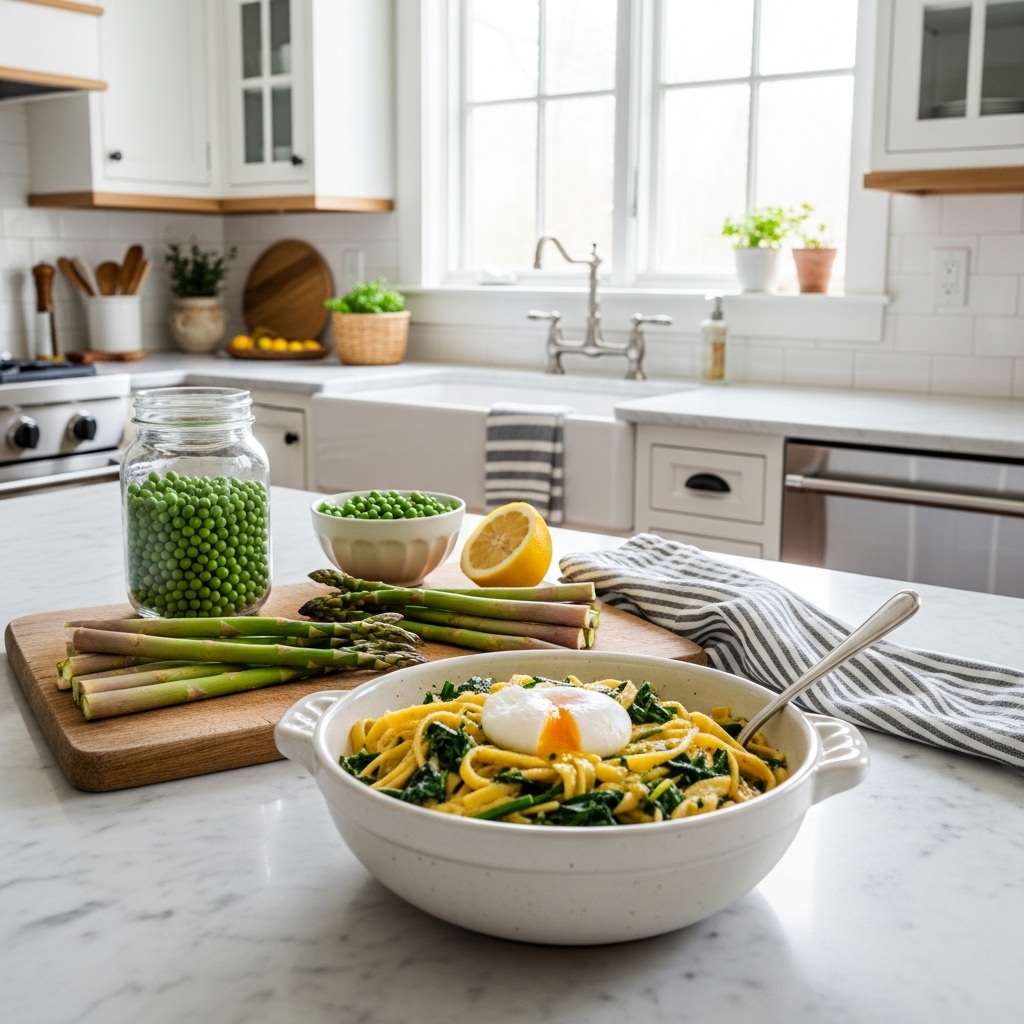
When the first warm winds make their way across DuPage County, asparagus, peas, and tender greens return. A favorite spring dinner is a lemony pasta tossed with sautéed asparagus, garlic, and ribbons of spinach. The secret is restraint: cook the asparagus until crisp-tender, finish with lemon zest, and fold in the greens at the end so they wilt gently. Serve with a soft-poached egg if you like, and you have a plate that tastes like the season without a lot of fuss.
Another spring staple is a big salad that can serve as a main. Think peppery arugula, shaved radish, and thin slices of fennel. Add toasted nuts for crunch and a simple dressing of olive oil and lemon. If you pick up a rotisserie chicken on the way home from a late practice, shred a little over the top. The goal is a dinner you can assemble in ten minutes that still feels special and nourishing.
Summer: tomatoes, corn, and the joy of simplicity
Naperville summers practically write the menu for you. A sweet-corn and tomato salad with basil is unbeatable when the produce is at its peak. Cut the corn right off the cob, salt the tomatoes early to draw out their juices, and use those juices to build the dressing with olive oil and a splash of vinegar. Add a crumble of cheese if you like. Serve alongside grilled vegetables and a crusty loaf, and you have a meal that satisfies without heating up the kitchen.
For weeknights, a skillet of zucchini, peppers, and onions with garlic becomes a base for pasta, tacos, or a grain bowl. Cook each vegetable long enough to caramelize a little, and finish with fresh herbs. If you are picnicking near Centennial Beach, pack it warm in a thermos and spoon over rice on a shaded bench. Summer cooking is about keeping your knife sharp, your seasonings simple, and your time mostly out of the kitchen.
Fall: cozy flavors and sturdy textures
When school routines settle in and the air turns crisp, squash and apples take center stage. A roasted delicata squash salad with kale, apple slices, and a maple-mustard dressing is a weeknight winner. Delicata’s edible skin means less peeling, and its sweetness plays beautifully with tart apples. Toss with toasted seeds for texture, and dinner is ready in the time it takes to supervise homework.
You can also simmer a pot of lentil soup with carrots, celery, and tomatoes. Add a handful of chopped greens at the end and finish with a squeeze of lemon. It is the kind of meal that fills the house with fragrance and welcomes anyone who walks in the door, whether from a late practice at Frontier Sports Complex or a long commute from the city.
Winter: comfort food with brightness
Winter cooking favors deeper flavors, but that does not mean heaviness. Roast a pan of root vegetables—carrots, parsnips, beets—until their edges brown and their centers are sweet. Toss with a mustardy vinaigrette while still warm to wake them up. Serve beside a simple protein or pile onto greens with a handful of toasted walnuts. A pot of chili built on beans, tomatoes, and spices can carry you through a couple of dinners; add sweet potato for a gentle sweetness and extra comfort on single-digit nights.
On snow days, a creamy cauliflower soup with a hint of garlic and nutmeg is both soothing and surprisingly light. Purée until silky, then ladle into warm bowls. If you have a heel of good bread, toast it and rub with a cut clove of garlic before dunking. Winter cooking is about simple techniques that let you feel cozy without spending the whole evening over the stove.
Smart prep for busy households
The best way to cook more often is to make cooking easier. Wash greens the day you shop, dry them well, and store with a paper towel to absorb moisture. Roast a tray of mixed vegetables on Sunday and let them anchor multiple meals: folded into omelets, stirred through pasta, or spooned over grains. Cook a pot of rice or quinoa and keep it ready for quick bowls. With these building blocks on hand, you can assemble dinner in the time it takes kids to finish a worksheet.
Flavor boosters help too. Keep a small jar of quick pickled onions in the fridge; they add brightness to tacos, salads, and sandwiches. Stir together a simple herb sauce with parsley, lemon, garlic, and olive oil to drizzle over everything. When you have reliable staples in the pantry, it becomes easy to improvise. That is the heart of seasonal cooking: a few decisions up front that unlock a week of good meals.
Kid-friendly ideas that adults love too
Families often ask how to nudge kids toward vegetables without battles. The secret is repetition and choice. Offer two vegetables prepared simply and let kids pick. A tray of roasted carrots and broccoli served with a yogurt dip wins more fans than you might expect. Build-your-own bowls are another hit: rice or quinoa, a protein, roasted vegetables, and a bright dressing. Kids assemble their own plate, and you still control the ingredients.
For breakfast, smoothies turn greens into friendly flavors. Blend spinach or kale with frozen berries, a banana, and milk of your choice. If you pour into lidded cups, you can head out the door for early drop-off with breakfast in hand. On weekends, pancakes studded with blueberries or slices of apple taste like a treat and still fit the seasonal rhythm.
Cooking with an eye on sustainability
Thoughtful cooking reduces waste. Save herb stems for stock, turn leftover roasted vegetables into a frittata, and freeze fruit that is on the verge of overripe for smoothies. Plan a “clear the fridge” night once a week where everything leftover gets a second life. It is a satisfying way to end the week and a friendly challenge that sparks creativity.
Sourcing matters too. Buying what is in season, and choosing markets that are transparent about their growers, supports a healthier local food system. In summer and fall, that might mean filling your basket with Midwestern corn, tomatoes, apples, and greens; in winter, it might mean emphasizing storage crops and high-quality canned tomatoes to carry flavors through the cold months. As long as you keep the focus on fresh, dependable organic foods, the details fall into place.
Putting it all together: a week of easy meals
Imagine this flow. Sunday afternoon you roast a pan of mixed vegetables and cook a pot of quinoa. Monday you toss those vegetables with chickpeas and a lemony dressing. Tuesday is soup night with lentils and kale, and you set aside a portion for tomorrow’s lunch. Wednesday becomes pasta with sautéed zucchini and a quick herb sauce. Thursday you build bowls with the rest of the quinoa, leftover roasted vegetables, and a fried egg on top. Friday is pizza night at home—roll out a dough, spread with tomato, and top with sliced peppers and mushrooms. Saturday you keep it simple with a big salad, warm bread, and fruit for dessert. Every night feels doable because you front-loaded a few key tasks.
FAQs
Q: How do I keep greens fresh longer? A: Wash and dry thoroughly, store in a container lined with a towel to absorb moisture, and avoid packing too tightly so air can circulate.
Q: What are the best quick-cooking proteins for weeknights? A: Eggs, canned beans, tofu, and sautéed fish cook quickly and pair well with seasonal vegetables and grains.
Q: How can I get dinner on the table in 20 minutes? A: Keep cooked grains ready, stock a few prepped vegetables, and rely on simple sauces—lemon and olive oil, yogurt with herbs—that come together fast.
Q: My kids resist vegetables. Any tips? A: Offer choices, repeat favorites, and use dips or dressings to bridge the gap. Involve kids in washing and assembling; participation builds curiosity.
Q: What should I make when the fridge is almost empty? A: Frittatas, soups, and grain bowls are forgiving. Combine whatever vegetables you have with eggs or beans and a bright finish like lemon or vinegar.
Q: Can seasonal cooking be budget-friendly? A: Yes. Buying in season often means better prices and better flavor, which reduces waste. Planning a simple weekly flow also helps you use what you buy.
If you are ready to fold seasonal ease into your week, start small, trust your palate, and build habits that fit your life. Keep a few building blocks prepped, lean on the produce that tastes best right now, and let dinner be simple more often than not. And when it is time to restock, reach for a dependable range of organic foods so your kitchen is always ready for the next meal.