Life in Naperville moves at a friendly but brisk pace, from early school drop-offs to evening activities along the Riverwalk, and the neighborhood supermarket quietly supports those rhythms every day. The first sign of how deeply it helps families is the way it connects planning to the plate; a quick look at the weekly deals can shape a whole week’s worth of meals, activities, and get-togethers without adding stress. Step inside a well-run local store and you feel that blend of convenience and community: familiar faces at checkout, seasonal produce stacked high, and aisles arranged so you can grab what you need and get back to what matters.
Everyday convenience that respects real schedules
Naperville families juggle commutes to Metra stations, sports practices at Frontier Park, and after-school rehearsals at local arts centers, so a dependable supermarket is more than a place to shop; it is a support system. Consistent hours, clearly marked departments, and well-stocked basics mean you can stop in on the way to a game or after a school concert and still get dinner on the table. The habit of stopping at the same store builds micro efficiencies, too: you know exactly where the whole-grain pasta sits, where the best apples arrive on Thursdays, and which cashier is lightning-fast when you have ten minutes to spare.
Freshness and nutrition as a family habit
When families have reliable access to crisp greens, colorful fruits, and lean proteins, nutrition stops being a chore and becomes a habit. In Naperville, where outdoor life and fitness trails encourage movement, a supermarket’s produce section becomes a weekly anchor. You see what’s seasonal—Midwest sweet corn in late summer, kale and apples when the weather cools—and you plan family dinners around what tastes best right now. Over time, that pattern forms the backbone of healthy routines: yogurt with berries before school, roasted vegetables that reheat well for late-night returns, and fruit packed for road trips to tournaments.
Global flavors, local pride
One of Naperville’s quiet strengths is its cultural diversity, and local supermarkets reflect that with international ingredients that turn dinner into a family experience. Shelves stocked with spices, rice varieties, and specialty sauces make it easy to try a new recipe your neighbor recommended at a backyard gathering. Parents find it easier to pass down heritage dishes, while kids become adventurous eaters who connect taste with story. The result is a kind of culinary literacy that spills into school projects, festival celebrations, and potlucks after soccer matches, strengthening the social fabric of the city.
Time-saving strategies for busy weeks
In a town where schedules can change with one email from a coach or teacher, time-saving supermarket features are essential. Pre-cut produce, rotisserie options, and ready-to-cook marinated items give families a way to pivot without ordering takeout. Savvy parents use a two-basket strategy—one for immediate meals and one for staples—to reduce midweek returns. Because the store is close, you can stop for fresh herbs or bread on the way home, but thoughtful planning can easily turn one big Sunday trip into a series of quick touch-ups. Over a season of practices and playdates, those minutes add up to meaningful family time.
Meal planning that actually sticks
Planning is only as helpful as it is flexible. Naperville families often sketch a meal plan that leaves room for real life: a pasta night that can become a salad night, a soup base that can stretch into a second meal for a late evening. Supermarkets help by keeping pantry essentials dependable—stocks, grains, beans, and quality canned tomatoes—so a forgotten ingredient never derails a plan. Many stores offer recipe cards or simple pairing suggestions near the displays, nudging you toward fast, balanced meals that look and taste special without requiring elaborate techniques or hard-to-find components.
Helping kids become confident eaters
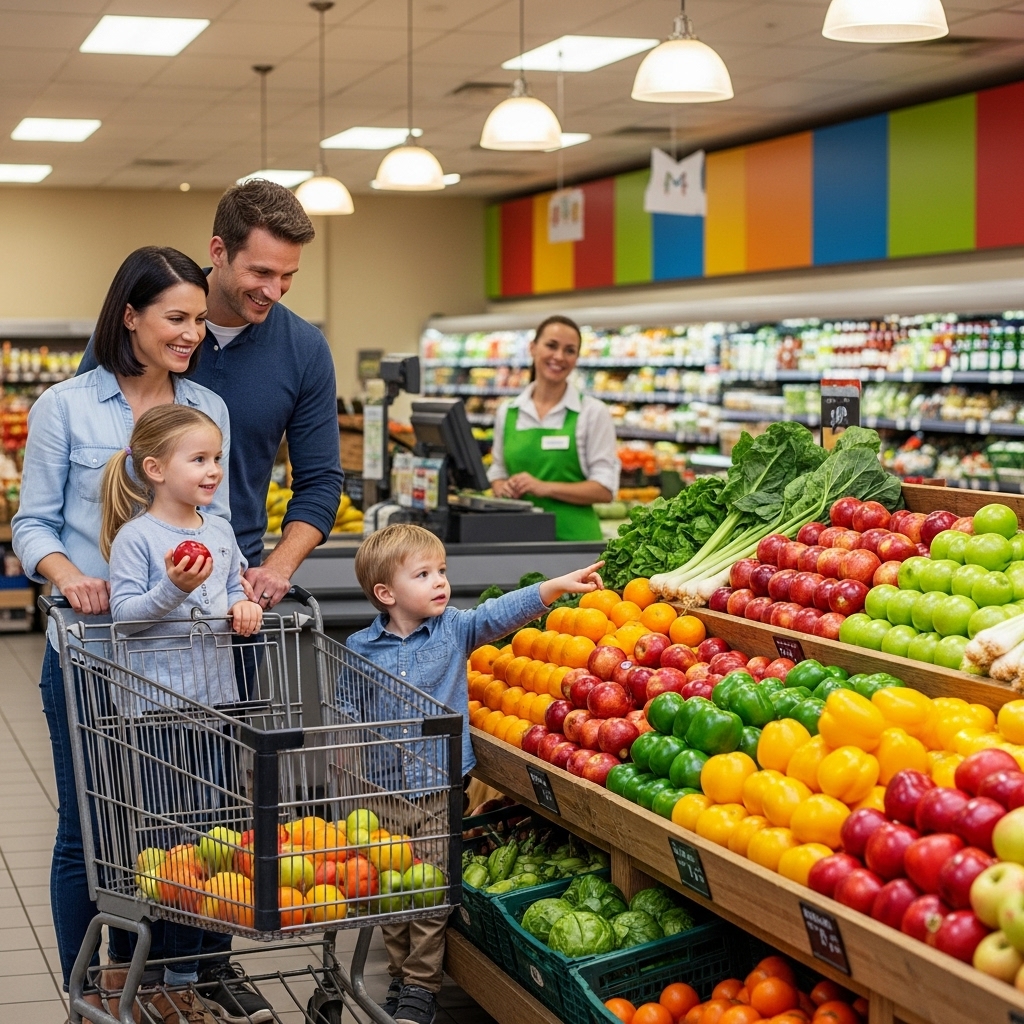
It’s easier to raise curious eaters when the supermarket feels like a safe place to explore. Parents turn grocery trips into mini lessons on color, texture, and origin: where oranges come from, how to pick a ripe avocado, why leafy greens are so vibrant. Naperville’s kid-friendly vibe shows up in stores that offer small carts, friendly greetings, and occasional sampling that makes trying something new an adventure. When kids help choose produce and carry a few items to the car, they feel invested in the meal that follows, making family dinners smoother and more joyful.
Budget mindfulness without anxiety
Smart shopping is about balancing value, quality, and time. Over the long arc of family life, that balance matters more than any single basket. Local supermarkets help by grouping essentials in clear displays, highlighting items that stretch across multiple meals, and offering store-brand alternatives that maintain quality. A simple routine—checking the pantry before leaving home, scanning a few weekly highlights, and walking familiar routes through the aisles—keeps shopping calm and consistent. Naperville families who shop with a plan tend to find that they waste less food and feel better about what goes into their kitchens.
The midweek reset that keeps dinner easy
Even the best weekend shop benefits from a midweek reset. On Wednesdays or Thursdays, a quick stop for leafy greens, bread, and a protein tops off the fridge and keeps meals lively without a full haul. This is also the perfect time to scan a store’s mid-cycle highlights and take advantage of evolving selections, including new produce arrivals. Having that reset on the calendar gives families a chance to adjust plans around practices or late meetings while still keeping dinners homemade and nourishing, a small anchoring ritual in a full calendar.
Community connections you can taste
Naperville’s supermarkets work hand-in-hand with local producers and community organizations, whether through seasonal features, food drives, or in-store events where you meet the people behind the products. Those connections make food feel less anonymous and more like a relationship. When you catch a cooking demo from a local chef or talk with a farmer about how weather shaped this week’s lettuce, you bring home not just ingredients but stories. Families who shop this way often find that kids talk more at dinner, sharing what they learned and turning meals into a nightly check-in that nourishes both body and conversation.
Adaptable options for every diet
From gluten-free pasta to plant-forward proteins and dairy alternatives, Naperville stores have evolved to support a range of preferences and needs. That inclusivity reduces stress for families managing allergies or trying new eating styles. It’s easier to host friends, accommodate extended family, and keep everyone at the table when you can find delicious options that fit the moment. Clear labeling and knowledgeable staff help, too; when you can ask a quick question at the cheese counter or bakery, you make decisions with confidence and keep the shopping trip smooth.
Midway momentum and the rhythm of savings
Somewhere around the midweek reset, it helps to revisit your plan and grab a few seasonal highlights while you still have energy to cook. That’s also a natural moment to glance at the store’s weekly specials and shape the next few dinners. In practice, this might mean picking up citrus when it’s at its peak, swapping in a hearty grain for a change of pace, or bringing home a new sauce that turns a basic protein into something fresh. The rhythm becomes self-reinforcing: small adjustments, steady routines, consistently good meals.
Sustainability that starts at the cart
Naperville families take pride in stewardship, and supermarkets offer practical ways to align shopping with those values. Reusable bags, bulk sections for pantry staples, and thoughtful packaging options encourage low-waste habits. Many stores collaborate on food recovery programs, making sure surplus goods help neighbors rather than going to waste. You also see sustainability in product choices, from responsibly sourced seafood to coffee and tea with clear origin stories. When families choose with care over time, they build a household culture that values both quality and responsibility—less waste, more intention, and a stronger connection to where food comes from.
Weather-ready flexibility
Midwestern weather keeps everyone on their toes. A snowy morning can turn a school day into a sledding day, while a surprise heat wave alters appetites and cooking plans. Local supermarkets are practiced at shifting inventory to match conditions, bringing in more hearty soups and baking ingredients when the temperature drops, and stocking refreshing produce and lighter fare when the sun bakes the Prairie Path. Families who maintain a smart pantry—broths, grains, canned fish, frozen vegetables—can ride out weather swings gracefully, turning unexpected hours at home into cozy cooking sessions instead of stressful scrambles.
Hospitality made simple
Naperville is a town of neighbors who show up, whether it’s for a school fundraiser or a porch gathering. Supermarkets make hosting low-pressure by providing prepared trays, bakery treats, and good cheese and charcuterie you can assemble in minutes. Thoughtful merchandising helps here: a sign suggests pairings, a display puts crackers next to spreads, and a quick stop at the floral section finishes the table. When hospitality feels manageable, families entertain more often, deepening friendships across school boundaries and sports teams and weaving tighter ties across the community.
Teaching independence and life skills
As kids get older, the supermarket becomes a safe classroom for independence. A teen can run in for milk, compare labels for fiber or protein, and check out with a modest list. These small errands build confidence, time management, and a practical sense of money and nutrition. Parents notice that once teens take ownership of a breakfast item or a favorite snack, they’re more likely to pitch in with meal prep and cleanup. Over time, the supermarket becomes part of how families prepare kids for life beyond Naperville, where the ability to plan, shop, and cook for oneself is a genuine superpower.
Healthy routines that fit real life
What makes a routine stick is the way it fits. Naperville families succeed when shopping aligns with work hours, after-school commitments, and weekend adventures. A weekend shop sets the stage, a midweek stop keeps momentum, and a flexible pantry fills the gaps. Supermarkets amplify that success by maintaining predictable quality, giving clear cues for what’s in season, and offering prepared options that feel wholesome rather than like compromises. The result is a household rhythm that supports energy for school, patience for homework, and time for the fun stuff that makes family life feel full.
Store teams that know your name
The human factor matters. A cashier who notices that your toddler loves blueberries might tip you off when a fresh batch hits the floor. A butcher who remembers you prefer thin-cut chicken will help you get dinner marinating before you reach the car. Those small interactions save minutes and reduce friction, especially on busy evenings. They also make the store feel like an extension of the neighborhood, a place where a shared smile eases the day and where questions get answered fast, from “Which olive oil is best for roasting?” to “Is the sourdough baked this morning?”
Seasonal traditions and small celebrations
Naperville’s calendar brings its own culinary cadence—grilling season as spring warms, school-year comfort foods as leaves turn, and holiday baking when the first frost arrives. Supermarkets set the stage for these moments with ingredients, decorations, and little touches that make ordinary evenings feel special. A family might try a new chili recipe the night the first big game is on, or decorate cookies while holiday lights go up in the neighborhood. These small rituals matter; they turn the turning of the year into cherished memories that kids carry with them long after they leave home.
Confidence at the checkout
It’s a simple but underrated benefit: leaving the store feeling calm and ready for the week. When a supermarket curates an intuitive layout, maintains clean, well-lit spaces, and staffs enough registers for the evening rush, shoppers move smoothly from list to car. You know you’ve chosen food you feel good about, you’ve stayed aligned with your plan, and you have the ingredients to pull off breakfasts, lunches, and dinners without fuss. That confidence spills into the week, freeing attention for work, school, and the relationships that make life in Naperville so rewarding.
Frequently Asked Questions
Q: How can Naperville families streamline weekly shopping without losing flexibility? A: Start with a broad plan built around a few core meals that share ingredients, then leave space for one or two improvisational nights. Keep pantry staples organized and visible, and rely on a midweek top-off for fresh items. This approach reduces repeat trips while letting you adapt to changing schedules, weather, and cravings.
Q: What’s the best way to involve kids so they learn healthy habits? A: Give children age-appropriate tasks in the store and at home. Let younger kids pick a colorful fruit or vegetable, and ask older kids to read labels or compare whole-grain options. When they help select and prepare food, they feel ownership and are more likely to eat well and try new flavors.
Q: How do supermarkets support different dietary needs within one household? A: Clear labeling, alternative ingredients, and knowledgeable staff make it easier to accommodate preferences and allergies. Look for stores that group gluten-free products thoughtfully, stock plant-forward proteins alongside traditional options, and offer guidance at service counters. With a little planning, one cart can satisfy many needs.
Q: Are prepared foods a good idea for busy families? A: They can be a valuable tool when chosen thoughtfully. Pair a prepared main with fresh sides, or use a cooked protein to jumpstart tacos, salads, or grain bowls. The key is to integrate prepared items into a balanced meal rather than relying on them exclusively, keeping nutrition and variety in focus.
Q: How can families reduce food waste while keeping meals interesting? A: Build meals around versatile ingredients that carry into the next dish—roasted vegetables become omelets, a pot of grains supports salads, and leftover chicken transforms into soup. Shop with a plan, store perishables where you can see them, and use a midweek reset to recalibrate before items are forgotten.
Q: What role do local supermarkets play in community well-being? A: Beyond groceries, they support food drives, school initiatives, and neighborhood events, and they provide gathering points where people connect. By featuring local products and hosting demos or tastings, they help residents discover new foods while strengthening ties among producers, store teams, and families.
Whether you are fueling a week of school, sports, and community events or hosting friends for a spontaneous evening, the local supermarket is a quiet partner in making Naperville life run well. If you are ready to map out your next set of dinners and stock up with confidence, explore the store’s weekly deals and step into a new week feeling prepared, flexible, and inspired.