
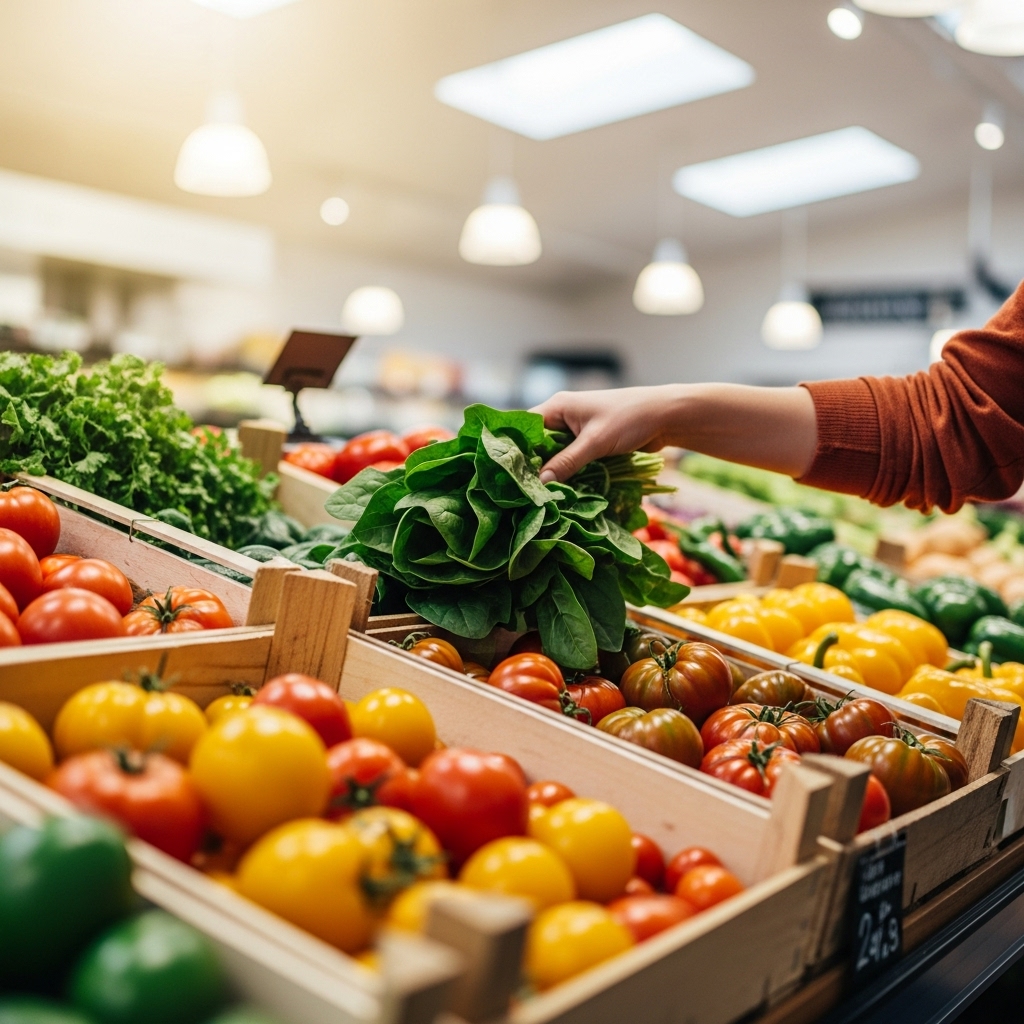
Why Organic Produce Matters in Naperville
Organic produce resonates with Naperville shoppers because it aligns with a lifestyle built on balance, time outdoors, and attention to what we bring to the table. Whether it’s a morning run by the Riverwalk or an evening gathering on the patio, so much of our community life revolves around food that feels vibrant and real. Choosing organic is about more than a label; it’s a commitment to methods that emphasize soil health, thoughtful stewardship, and ingredients that taste like the season they come from. Over many trips, you start to notice how the colors, textures, and aromas of organic fruits and vegetables tell a story about the farms and the rhythms of our region.
In practice, organic produce supports a slower, more intentional way of cooking. When you select greens that look lively or fruit that carries the subtle scent of ripeness, you naturally craft meals that highlight freshness. You’ll find that simple preparations — a quick sauté, a light dressing, a sprinkle of herbs — let organic ingredients shine without much fuss. Naperville households often discover that when the foundation is strong, weeknight dinners become easier and more satisfying, and weekend gatherings gain a relaxed, celebratory feel.
If you’re planning a trip and want to align your list with what you’ll find, a short preview of categories can help focus your attention. In the same way that you might check the weather before a morning walk, browsing options at Fresh Market can orient you to what’s seasonally compelling so your visit flows naturally from aisle to kitchen.
Seasonality You Can Taste
Organic produce rewards you for paying attention to the calendar. In spring, tender greens, radishes, and herbs offer a bright restart after winter. Summer magnifies sweetness and crunch, with berries, stone fruits, and tomatoes turning simple meals into fleeting celebrations. Autumn arrives with structure and warmth — squash, root vegetables, and sturdy greens that welcome roasting and long simmering. Winter encourages a pantry-forward approach that leans on hearty produce, citrus accents, and the steady comfort of soups and braises.
Each season invites different techniques. Spring begs for crisp salads and quick sautés that keep textures lively. Summer is a composer of contrasts: juicy fruit beside salty cheeses, raw vegetables beside grilled favorites. Autumn slows the pace and deepens flavors, while winter narrows the palette to focused, comforting combinations. When your cart mirrors the season, your cooking becomes both easier and more rewarding. The rhythm of Naperville — school calendars, outdoor events, and weekend gatherings — dovetails with this cycle, creating a natural flow from store to table.
Organic produce’s seasonality also reduces decision fatigue. When you lean into what’s at its peak, choices become obvious. You’re not forcing a recipe; you’re responding to the ingredients right in front of you. That responsiveness keeps your kitchen lively and prevents the midweek slump when you stare into the fridge and wonder what to cook. With organic produce, the answer often presents itself through fresh color and aroma.
Picking and Storing for Peak Enjoyment
Selecting organic produce is part art, part attention. Look for firm, vibrant textures and natural fragrance. Leafy greens should feel fresh and crisp, not limp. Fruits reward gentle handling — a slight give where it’s natural, a clean scent that hints at flavor. Over time, you’ll develop confidence in what signals the best bite. Staff insights can help, too; don’t hesitate to ask for pointers on which varieties shine right now and how locals prepare them.
Storage is where many Naperville households unlock the full value of organic produce. Rinse and gently dry greens before storing to extend their life. Place delicate items where you’ll see them, not hidden behind jars on a busy shelf. Rotate older items forward after each shop so they’re top of mind. Small habits — trimming stems, separating ethylene-sensitive fruits from fragile greens — preserve freshness and reduce waste.
Preparation should be relaxed and unfussy. A salad with high-quality organic greens needs little more than olive oil, a splash of acid, and a pinch of salt. Roasted root vegetables become a foundation for multiple meals: a side on day one, a lunch salad component on day two, and a quick hash with eggs on day three. Each simple transformation honors the ingredient rather than burying it.
Integrating Organic Choices Into Busy Weeks
One of the myths about cooking with organic produce is that it takes more time. The truth in Naperville kitchens is the opposite: when ingredients are vivid and flavorful, you can cook less. The key is having a few template meals ready to go. Think of a “salad plus” template — a base of greens with one raw vegetable, one cooked component, a grain or legume if you like, and a dressing that ties the week together. Or a “roast once, use thrice” template — a sheet pan of vegetables that anchors several meals without feeling repetitive.
These templates allow you to shop with confidence, knowing that whatever organic produce looks best can slide into your plan. If you discover a seasonal surprise — say, a special green or a variety you haven’t tried — swap it into one of your templates. This flexibility keeps meals lively and supports a sustainable routine that fits Naperville’s pace, from after-school rushes to quiet Sunday afternoons.
Families appreciate how organic produce helps assemble snacks without much effort. A small plate of sliced fruit after school, a crudité spread on a weekend afternoon, or a handful of roasted vegetables added to a bowl makes nourishment feel easy and appealing. When kids participate in choosing and washing produce, they connect to the colors and textures — and they’re more likely to enjoy what ends up on the table.
Community Connections and Local Rhythm
Naperville’s sense of place saturates how we shop. We learn from neighbors, trade ideas at the store, and share recipes that reflect our homes. This community conversation is especially rich around organic produce. It’s common to hear someone mention a new way to roast squash or a fresh herb combination that changed their weeknight cooking. These exchanges are how you build a repertoire that suits our local lifestyle — practical but curious, efficient but generous.
Because our routines often orbit schools, parks, and commuter schedules, time matters. Many locals prefer early visits for the calm and the chance to ask questions; others enjoy evening trips when the aisles are relaxed. If you’re mapping a visit around a busy day, consider previewing seasonal categories at Fresh Market so you can target the sections that match your plan. That little step means you’ll leave with ingredients that inspire rather than overwhelm.
Entertaining in Naperville often blends informality with care. Organic produce lets you assemble beautiful, unfussy plates in minutes: sliced fruit beside a favorite cheese, roasted vegetables with a simple sauce, a salad that looks restaurant-ready with zero fuss. These elements transform a casual evening into something special without adding work to your day.
Cooking Techniques That Let Produce Lead
Organic ingredients reward minimalism. Try starting with one cooking technique each week to build confidence. Roasting at a moderate temperature coaxes sweetness from root vegetables and deepens flavors without constant attention. Quick sautés preserve color and bite in delicate greens. Raw preparations — thinly sliced fennel, shaved carrots, or a crunchy apple — add contrast and keep meals lively. Layer these techniques and you’ll find your kitchen humming along on weeknights.
Seasoning follows the same less-is-more approach. A squeeze of citrus over roasted vegetables brightens everything. Fresh herbs at the finish turn a simple dish into something memorable. Stock your pantry with a few trusted basics, then let produce do the heavy lifting. When you assemble meals this way, you become less dependent on elaborate recipes and more attuned to flavor and texture, which simplifies shopping and cooking alike.
Leftovers deserve respect. Store cooked vegetables in shallow containers so they cool quickly and stay fresh. Use them for lunch bowls, quick tacos, or a warm salad that revives with a gentle reheat. When you treat leftovers as ingredients rather than afterthoughts, your organic produce stretches further and continues to taste great.
Frequently Asked Questions
How do I choose the freshest organic produce?
Trust your senses. Look for vivid color, firm textures, and natural fragrance. Ask staff what’s shining right now, and don’t be afraid to compare varieties. Over time, you’ll learn the signals of peak freshness.
What’s the best way to store delicate greens?
Rinse and dry thoroughly, then store with a bit of airflow. Keep them visible so you reach for them first. Move older items forward after each shop and use greens early in the week.
Can organic produce fit into a busy family routine?
Yes. Lean on templates like big salads, sheet-pan roasts, and simple sautés. These methods showcase flavor without demanding much time, making organic choices easy to enjoy on weekdays.
How do seasons change what I should buy?
Buy what looks and smells lively for the current season. Spring favors tender greens and herbs; summer celebrates fruit and tomatoes; autumn embraces roots and squash; winter leans into hearty produce and citrus accents.
What if I’m new to cooking with organic ingredients?
Start with one technique per week and keep seasoning simple. As your comfort grows, add a new variety each trip. You’ll build skills steadily and enjoy better meals along the way.
When you’re ready to turn inspiration into a beautiful, unfussy cart, make a short list and plan a relaxed visit. For a quick glance at categories that can anchor your meals, browse Fresh Market, then bring home the produce that looks and smells like the season you’re living in right now.