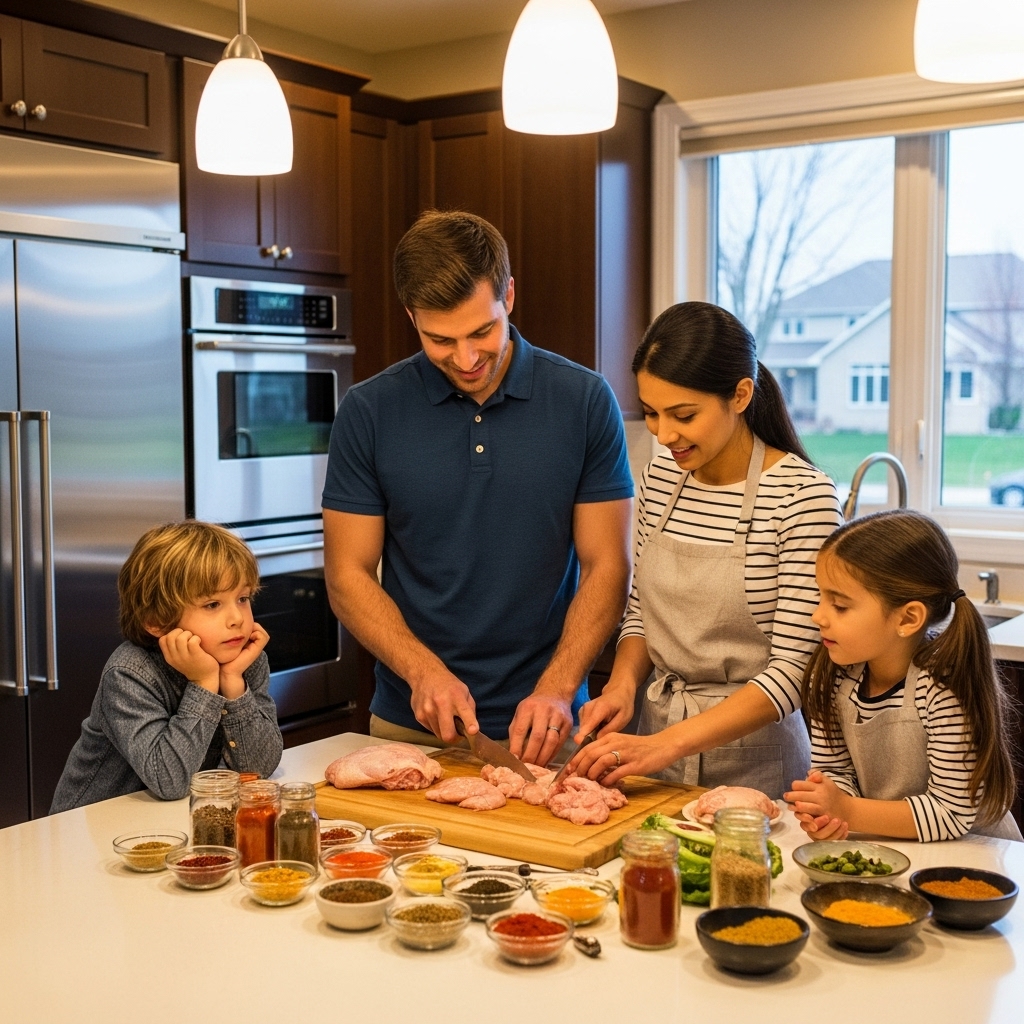
On any given weekday evening in Naperville, the city shifts from fast-paced to home-focused. The Metra pulls in, school buses unload, and kitchens come alive with the clatter of pans and the quiet conversation that accompanies dinner prep. For many households, mealtime is the anchor that steadies the day, and what’s on the plate becomes part of a larger story about culture, health, and togetherness. This is where halal enters the picture in a meaningful way. Halal is not only about what’s permitted; it’s about how food is sourced and treated, about respect, and about building trust with the ingredients we serve our families. More local parents, grandparents, and young professionals are choosing halal meat because it fits naturally into the values that shape life here: care, consistency, and community.
Families juggle tight schedules—sports practices at neighborhood fields, homework at the kitchen table, and commutes along 75th Street or Ogden Avenue. The appeal of halal for many is that it simplifies the part of the day that matters most by offering a standard of quality you can rely on. When you place a chicken in the oven or set a steak on the grill, you want it to cook predictably, taste clean, and feel right to serve to everyone gathered around. Halal’s framework of humane treatment and careful handling supports those goals without asking you to compromise convenience.
There’s also a sense of connection that halal brings, whether you grew up with it or discovered it recently. In a town as diverse as Naperville—with neighbors who share recipes across cultures at block parties and school events—halal serves as common ground. It allows households with different backgrounds to gather comfortably at the same table, confident that the food aligns with shared values of respect and responsibility.
Trust at the Center of Family Meals
For parents, trust is the key ingredient. You want to know how your food was raised, handled, and brought to the counter, and you want that story to be consistent week after week. Halal’s standards, when followed carefully, promote traceability and accountability. Each step of the process matters, and that attention shows up where it counts—in the pan and on the plate.
When children are learning about cooking, halal offers a clear example of making thoughtful choices. It becomes a conversation starter, a chance to talk about where food comes from and why humane treatment matters. These small lessons add up, turning dinner into an opportunity for values to take root alongside culinary skills.
Nutrition, Freshness, and Predictability
Busy households need food that helps them feel good and function well. Because halal emphasizes cleanliness and careful processing, families often notice how reliably the meat cooks and tastes. Chicken stays juicy when roasted properly, ground beef browns evenly, and lamb takes to marinades with impressive depth. These are small, everyday wins that make weeknight cooking more satisfying.
Leftovers play a starring role in many homes. With halal cuts, families often find that next-day lunches or quick stir-fries keep their appeal. When kids are willing to eat leftovers without a fuss, mornings run smoother and food waste drops—two improvements any parent can appreciate.
Making Room for Tradition and Change
Naperville families are a blend of tradition and modernity. Some households treasure recipes handed down from grandparents, while others are trying new cooking methods picked up from friends or food shows. Halal supports both paths. If you are preparing a cherished dish for a holiday or experimenting with a new weeknight bowl packed with vegetables and grains, halal provides a reliable foundation.
At community gatherings, halal also makes hospitality easier. When you know your main dish meets a widely respected standard, you can invite neighbors across dietary backgrounds and relax into the companionship that makes our neighborhoods feel like home.
Time-Saving Habits That Respect Values
Parents often ask how to keep dinner simple without sacrificing their standards. One answer is planning. Choose a few reliable cuts—perhaps chicken thighs for roasting, a lean ground beef for quick sauces, and a lamb shoulder for slow weekends—and build a rotation that lets you shop with confidence. As you learn how each cut behaves, you’ll refine cooking times and seasoning, which saves time and reduces guesswork.
Many local families find that prepping a couple of marinades on Sunday pays dividends during the week. Because halal emphasizes clean handling and predictable quality, those marinades penetrate well and hold their flavor, so you can pull a dish together quickly on a busy Wednesday evening without sacrificing taste or texture.
What Children Learn Around the Table
Food is one of the earliest ways children learn about care, gratitude, and culture. Serving halal can spark conversations about kindness to animals, the importance of reducing waste, and how different communities express similar values. This makes the dinner table more than a place to eat; it becomes a classroom where respect and curiosity share space with salt and pepper.
Kids also respond to the pride adults show when they cook with intention. If they see you asking questions at the butcher counter, planning meals thoughtfully, and treating ingredients with respect, they’re more likely to adopt those habits themselves. Over time, that leads to a healthier relationship with food and a stronger sense of responsibility.
Community Bonds and Inclusive Hospitality
Naperville thrives on inclusive events—school fundraisers that bring together families from different backgrounds, neighborhood potlucks, and casual park meetups after Saturday morning games. Serving halal at these gatherings removes barriers and quietly signals welcome. Guests can relax, hosts can focus on conversation, and everyone can enjoy the table without second-guessing whether the main course fits the group’s needs.
This spirit of welcome also strengthens friendships. When you remember a neighbor’s dietary practice and accommodate it naturally, you show care in a way that words can’t always capture. The thoughtfulness behind halal—humane sourcing, careful handling, respect for the ingredient—mirrors the thoughtfulness we try to show one another as neighbors.
Sourcing Confidence for the Long Term
Families often develop relationships with local vendors because consistency matters. When you can ask about how animals were raised, how the meat was handled, and which cuts are best for a given method, you eliminate the guesswork that can make cooking feel stressful. Halal’s framework makes those conversations easier and more transparent.
As preferences evolve—perhaps a teenager decides to cook once a week, or grandparents move in and bring cherished recipes—halal adapts easily. You maintain a steady standard across the household even as routines change, and that continuity helps keep mealtimes calm.
Saving Money by Reducing Waste, Not Compromising Quality
Most Naperville households try to balance quality and practicality. One of the subtle benefits of halal is that it encourages you to plan well and waste less. When meat is handled carefully and tastes good the next day, it’s simpler to map out two meals from one roast or to turn bones into a soup that carries you through a few lunches. You get the most from what you buy while honoring the ethical emphasis on gratitude and stewardship.
These habits ripple outward. Kids see that leftovers are valued, not an afterthought, and everyone learns to plan with intention. Over time, this approach saves time and energy, which are as precious to families as anything on the shopping list.
Real-Life Routines: A Week in a Naperville Kitchen
Picture a typical week. On Sunday, you marinate chicken for Monday and prep a lamb shoulder for a weekend slow roast. Tuesday’s schedule is tight, so a quick sauté of ground beef becomes tacos with bright toppings. Wednesday brings a stir-fry from leftover chicken, Thursday a simple pasta with meatballs, and Friday a quiet dinner at home before a busy Saturday. Throughout, halal’s predictability makes each step feel easier. You know how the meat will behave, and you trust the process that brought it to your kitchen.
In the middle of that rhythm, you might find yourself comparing options and exploring reputable sources for halal meat. That choice isn’t about trend-chasing; it’s about aligning your daily routine with values that feel right for your household.
Frequently Asked Questions
How do I introduce halal to a family that’s new to it?
Start with familiar dishes. Swap in halal versions of cuts you already cook well, such as chicken thighs or ground beef. As everyone gets comfortable, expand to other cuts. Keep the focus on taste and reliability, and let the conversation about ethics and sourcing unfold naturally around the table.
Will halal change how my favorite recipes turn out?
Your recipes should feel very familiar. Many families report that halal cuts cook predictably and maintain tenderness when handled well. If anything, you may notice cleaner flavor and consistent texture, which can help your favorite dishes shine.
How can I make weeknight halal meals faster?
Lean on planning. Marinate ahead, pre-portion cuts for specific meals, and keep a few versatile seasonings on hand. Because halal emphasizes quality and cleanliness, those simple preparations go a long way toward quick, satisfying dinners.
Is halal only for families who follow specific religious guidelines?
No. While halal is rooted in faith, its standards around humane treatment, cleanliness, and transparency appeal to many households. In Naperville, plenty of families who weren’t raised with halal choose it because it aligns with their broader values and culinary goals.
How do I handle leftovers to make the most of halal meat?
Store leftovers promptly in shallow containers, plan a second dish that repurposes what you cooked, and be intentional about reheating so textures stay appealing. When you treat leftovers as a planned part of the week, you reduce waste and keep meals interesting.
What’s the best way to talk to kids about halal?
Keep it simple and positive. Explain that halal means treating animals with respect and handling food carefully. Invite kids to help with safe, age-appropriate tasks so they feel invested in the process and proud of what the family is cooking together.
If you’re ready to bring these benefits to your own table, choose ingredients you trust and set a plan that fits your week. Explore dependable sources of halal meat, pick a few cuts your family loves, and enjoy how a thoughtful approach turns everyday dinners into moments of connection.