
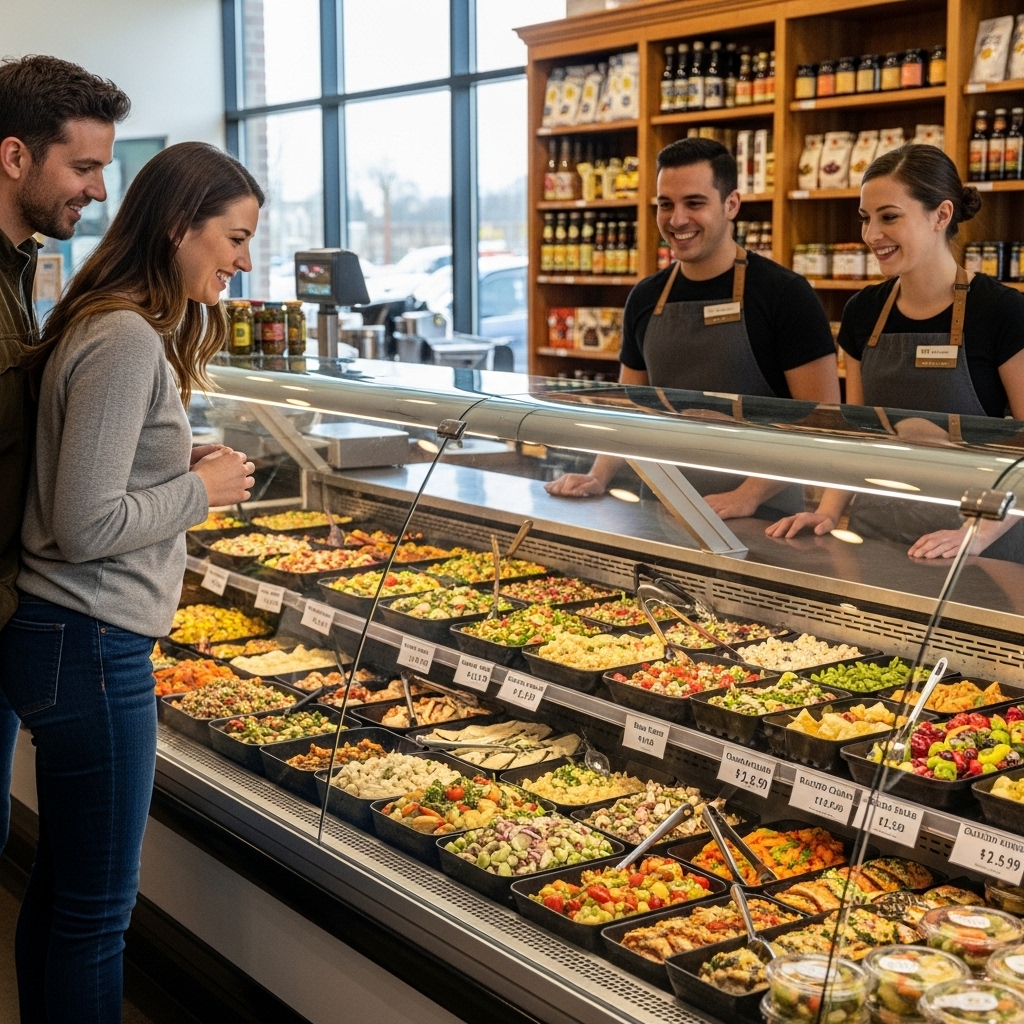
When people in Naperville talk about menu prices at the Fresh Market, they’re really talking about value: what you get in freshness, craftsmanship, and convenience when you walk out with a bag that solves dinner, elevates a gathering, or simply makes lunch taste better. While specific numbers shift with seasons and availability, the principles behind the offerings remain steady. To understand how to shop smartly, start by exploring core Fresh Market products and how the store curates its departments—produce, bakery, deli, butcher, seafood, cheese, pantry, and floral—so that the whole experience is more than the sum of its parts.
Value begins at the farm and the fishery, not the shelf. In-season produce arrives with flavor at its peak, which means you can buy less and enjoy more because every bite carries a punch of freshness. Think of late-summer tomatoes that need only a sprinkle of salt and a drizzle of olive oil, or crisp apples in the fall that transform a simple salad into something special. The same logic applies at the seafood counter, where the catch rotates in ways that favor quality and responsibility, and at the butcher, where cuts are selected with an eye toward tenderness, marbling, and practical cooking times for weeknights.
Prepared foods play a big role in how Naperville shops. For busy families, time saved is part of the value equation. A ready-roasted entrée paired with a seasonal side from the deli can make a Tuesday evening feel effortless. For a weekend, a selection of salads, a crusty loaf from the bakery, and a centerpiece protein turn into a picnic or casual dinner spread in minutes. You’ll also find thoughtful touches such as sauces that simplify meal building: a bright chimichurri to wake up grilled meats, a lemony dressing that makes even sturdy greens sing, or a velvety glaze that brings cohesion to a plate.
Quality is woven into the bakery, too. Here, you can trust that the breads are crafted for texture and flavor, not just shape and size. A crackly crust on an artisan loaf tells you the crumb inside will support everything from a simple smear of butter to a layered sandwich. Pastries reflect a similar care, from croissants with delicate layers to fruit-forward treats that emphasize ripe flavor over cloying sweetness. When the base ingredients are good, you need fewer embellishments; the food speaks for itself.
Naperville shoppers often evaluate value through versatility. A rotisserie-style entrée can anchor multiple meals: paired with a fresh salad for dinner, tucked into a wrap for lunch, and repurposed into a hearty soup when the weekend chill settles in. Cheese is another category where a smart choice can travel across dishes. A nutty wedge grates into pasta, anchors a charcuterie board, and melts beautifully onto a toasted slice of bread. If you’re ever unsure how to stretch an item across meals, ask the staff for pairing tips and storage advice—they’ll gladly help you plan for the week.
Seasonality shapes both selection and experience. When asparagus arrives in spring, it’s crisp, sweet, and quick to cook; you can build an entire meal around it with lemon, olive oil, and a few shavings of cheese. Summer turns toward peak berries, herbs, and vegetables that burst with flavor. In the fall, you’ll find hearty greens and squash that love a slow roast. Winter highlights citrus and root vegetables that store well and bring sunshine to colder days. Buying in season isn’t merely a tradition; it’s a way to maximize flavor and make every dish feel like it belongs to this particular moment in Naperville.
Dietary choices factor into the shopping experience without making it complicated. If you lean plant-based, the selection of legumes, grains, and dairy alternatives offers breadth and depth. Gluten-free staples are easy to spot and pair with sauces and condiments that keep meals interesting. For those watching sugar or sodium, labels and staff guidance help you navigate quickly. This clarity ensures your cart aligns with your goals without feeling constrained.
Another element often overlooked is the importance of small luxuries. A few carefully chosen ingredients can lift your everyday cooking—an herb blend that brings brightness, a special vinegar that sharpens a salad, or an infused oil that turns roasted vegetables into something extraordinary. These touches may not take center stage, but they shape the experience of your meal, making a simple spread feel thoughtful and complete.
Understanding the Fresh Market’s approach to departments helps you see how the pieces fit together. The cheese counter functions like a friendly classroom; chat about textures and flavors, and you’ll leave with two or three options that serve different needs—one for melting, one for snacking, one for pairing with fruit and nuts. The butcher and seafood teams help you translate intentions into dinner. Tell them whether you want a quick skillet meal, a sheet-pan supper, or a slow weekend braise, and they’ll recommend the right cuts and quantities. Meanwhile, the bakery and deli give you the speed you need when the week is full and the energy is thin.
Shopping the perimeter is a common strategy, but don’t sleep on pantry aisles. Beans, grains, broths, and thoughtfully selected sauces round out your plan. When your pantry is well stocked, you can buy a little less fresh on each trip while still eating well. A pot of beans, an herby grain salad, and a simple protein from the deli or butcher can become a balanced meal with almost no stress.
In the middle of your planning, it helps to check highlights online and then browse a snapshot of core Fresh Market products so you can chart your route. This is especially useful if you’re shopping for a gathering and want to build a theme—Mediterranean one week, cozy Midwestern the next, and perhaps a bright, herb-driven spread when spring arrives. Having a theme narrows choices in a helpful way and turns shopping into a creative exercise rather than a chore.
For gatherings, charcuterie and grazing boards are Naperville favorites. They’re friendly to varied palettes and allow you to feature a few standout items without cooking every element. Start with two cheeses of different textures, add a cured meat if you like, and round it out with something crunchy, something sweet, and something briny. Then, bring in fresh fruit and a loaf from the bakery to tie everything together. The staff can help you scale quantities so the board looks abundant without overwhelming your guests.
Weeknight cooking benefits from a rhythm. Many locals choose one “anchor” item per trip—perhaps a marinated protein from the butcher or a vibrant salad kit—then build around it with vegetables and grains. This method keeps choices simple, reduces waste, and ensures you look forward to dinner. If the week gets hectic, prepared sides and soups fill gaps and save you from relying on takeout.
Floral is the quiet power move of any cart. A simple bouquet changes the feel of your home and can be surprisingly grounding. When the weather is gray, bright blooms lift the mood; when the sun is out, greenery brings a calming balance. Place a small arrangement on the table and even a quick lunch feels like a pause worth savoring.
Storage strategies extend value. Ask for tips on how to keep herbs lively longer or which fruits should rest on the counter versus chill in the fridge. A few minutes of prep after you get home—the quick rinse of greens, the trim of stems, the decanting of nuts into jars—pays dividends throughout the week. When good food is ready to grab, you’re more likely to eat it.
Cooking confidence grows with small experiments. Try a new spice blend on a familiar vegetable, or swap a grain for one with a different texture. Use the deli to taste flavors you’re curious about before you commit to cooking them at home. The staff has ideas that translate directly to your kitchen, so don’t hesitate to ask for recipes and methods.
Frequently Asked Questions
Why do menu offerings change throughout the year?
Seasonality and sourcing guide the selection. The store emphasizes peak flavor and freshness, so items rotate based on what’s best at the moment. This approach keeps quality high and meals interesting.
How can I plan meals without fixating on exact numbers?
Choose an anchor item—such as a protein or a standout vegetable—and build around it with simple sides. Think in terms of meals per item and how ingredients can stretch across lunches and dinners.
What should I do if I have specific dietary needs?
Use labeling to filter options and ask staff for guidance. They’ll direct you to gluten-free, plant-forward, and low-sugar items that fit your routine and help you assemble complete meals quickly.
How do I make a gathering feel abundant?
Focus on variety in texture and flavor rather than sheer quantity. Pair cheeses with fruit and nuts, add a fresh loaf, and incorporate a bright condiment to pull everything together.
What are the best departments for saving time?
The deli, bakery, and prepared foods counters are ideal when you need speed without sacrificing quality. Pair these with a few fresh items from produce to keep meals lively.
Ready to shop with a clearer plan? Start by scanning featured Fresh Market products, sketch a quick menu for the week, and visit when it suits your schedule. You’ll walk out with food that tastes great, fits your goals, and makes everyday meals feel just a little more special.