In Naperville, conversations about food and sustainability meet everywhere from farmers’ markets to school events and neighborhood block parties. Families want the meals they serve to be as responsible as they are delicious, and that has pushed more people to ask smart questions about the environmental footprint of their protein choices. Halal meat sits squarely in this conversation because the principles that guide it—respect, cleanliness, and accountability—naturally intersect with sustainability goals. The question is not only whether meat is halal, but how that meat is sourced, transported, packaged, and cooked right here at home.
Talking with local butchers and home cooks across neighborhoods from Ogden Avenue to the 95th Street area, I’ve seen a growing commitment to connecting ethics and ecology. Households want to know how to reduce waste, buy appropriately, and maximize the value of each purchase. Retailers, for their part, are investing in handling practices that cut down on spoilage, promote traceability, and educate customers on how to store and cook with less waste. This shared mindset is reshaping how Naperville approaches dinner.
At the household level, sustainability becomes personal and practical. Choosing halal meat with an eye toward environmental impact means asking for transparency at the counter and building smart habits in the kitchen. It means recognizing that what you cook on a Tuesday affects more than your own dinner—it influences demand patterns, supports responsible retailers, and ultimately helps set the direction of our local food economy.
Respect for animals and resource-aware handling
Halal principles emphasize humane treatment and intentional processing, which dovetail with efforts to reduce waste across the supply chain. When animals are handled carefully, less product is lost to damage or mishandling. Clean, precise butchery yields cuts that store well and cook predictably, reducing the risk of uneaten leftovers. In Naperville, many retailers take pride in these practices, documenting temperature controls, sanitation procedures, and rotation methods that keep quality high.
This attention carries tangible environmental benefits. When fewer products are discarded due to spoilage or inconsistency, the embedded resources—feed, water, energy—are more fully utilized. On the consumer side, better-tasting meat gets eaten, not thrown out. The simple act of serving food people love is one of the most effective forms of waste reduction.
Local relationships and the power of traceability
While not every product can be local, traceability helps households make informed choices. When retailers share where meat comes from, how it was transported, and how long it has been in the case, shoppers can align purchases with their sustainability priorities. Shorter supply chains often mean fresher product and less risk of loss. Even when distances are longer, reliable cold-chain management preserves quality and reduces the carbon impact of wasted food.
Naperville’s retailers increasingly view transparency as part of hospitality. Clear dates, rotation practices, and staff who can answer questions make it easier for families to buy the right quantity at the right time. When this system works, the city’s food waste profile improves in small but meaningful ways.
Portioning, planning, and cooking with intention
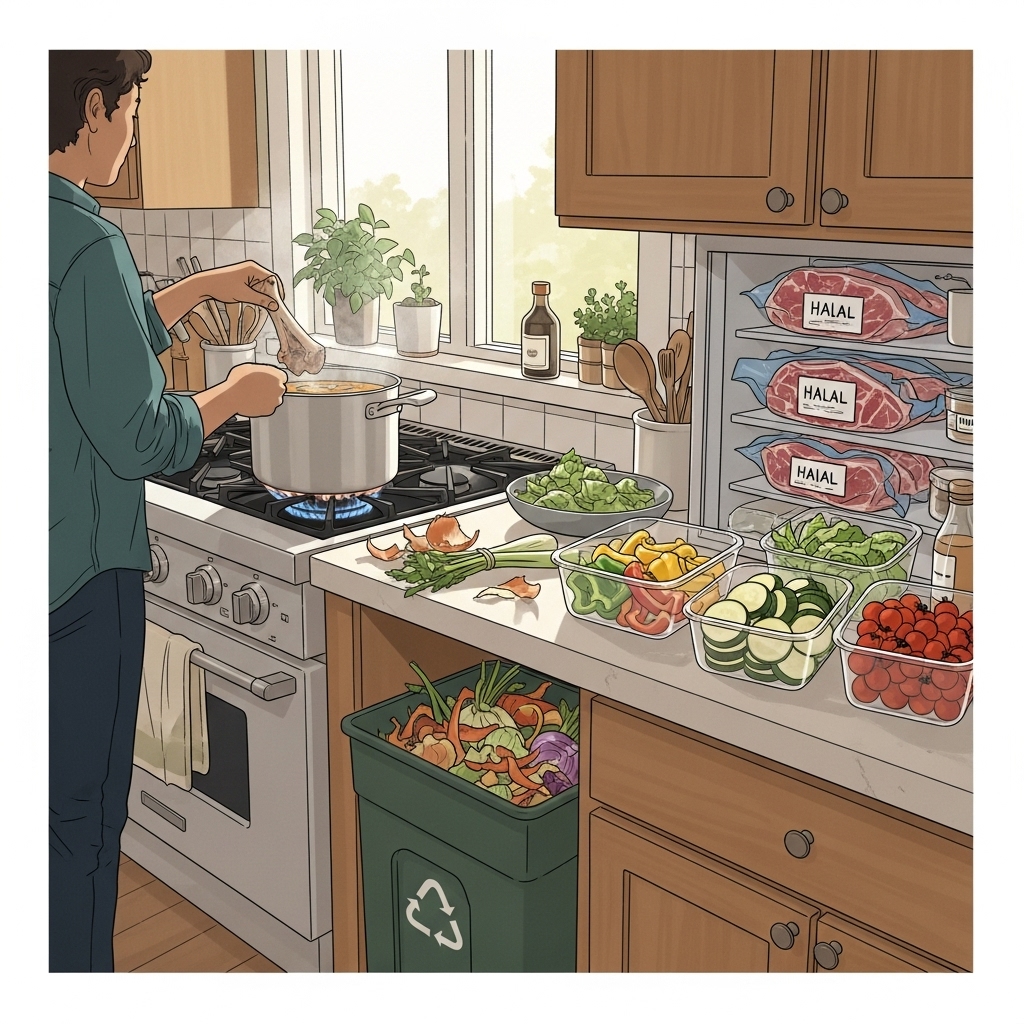
The kitchen is where environmental ideals become nightly practice. Portioning meat into meal-sized packages, labeling freezer items, and scheduling thaw times all prevent last-minute scrambles that lead to waste. These habits are especially helpful in busy households where calendar alerts and meal plans keep everyone on track. When you know what’s defrosting and when it will be cooked, you leave less to chance.
Cooking methods matter, too. Slow braises that transform collagen-rich cuts into tender meals broaden the range of usable parts, reducing reliance on only premium steaks or chops. Pressure cookers and Dutch ovens make it easy to turn bones into rich broth, stretching the value of your purchase and reducing the need for packaged stock. The more you cook nose-to-tail, the smaller your household’s waste footprint becomes.
Packaging and storage practices that support sustainability
Retailers in Naperville are experimenting with packaging that balances freshness with reduced material use. Vacuum sealing extends shelf life, while careful labeling helps families prioritize what to cook first. At home, reusable containers, airtight wraps, and a first-in, first-out refrigerator system keep food visible and front-of-mind. These small operational choices add up to fewer forgotten leftovers and better-tasting meals.
Energy-efficient storage is part of the picture. Maintaining refrigerators and freezers at recommended temperatures protects both safety and quality. Simple habits—checking door seals, avoiding overloading, defrosting freezers when needed—save energy and prevent premature spoilage. Sustainability often lives in these quiet details.
Community education and shared responsibility
Sustainability is strongest when it’s social. In Naperville, that means retailers sharing cooking tips, schools hosting conversations about food systems, and neighbors swapping ideas at block parties. When a butcher explains how to use marrow bones for broth or how to render fat for cooking, that knowledge reduces waste across multiple households. When parents teach kids to plan meals and portion leftovers, the next generation builds environmental awareness into everyday life.
Faith communities play a role as well, bringing ethical frameworks into contact with practical choices. During holidays and gatherings, discussions about purchasing the right quantity, storing food safely, and sharing extras with neighbors help align celebration with stewardship. Halal traditions of respect and gratitude provide a natural foundation for that mindset.
Balancing convenience with conscience
Modern life demands convenience, but convenience doesn’t have to mean waste. Online ordering and curbside pickup can be paired with clear notes on cut sizes, packaging preferences, and pickup timing to keep quality high. Families who build a rhythm—ordering on the same day each week, prepping portions immediately, and cooking according to plan—find that both stress and waste decline.
Retailers help by offering realistic serving guides, recipe suggestions, and portion estimates based on household size. When guidance is consistent and friendly, customers buy what they will use and return confident for more. The result is a gentler demand curve, fewer last-minute scrambles, and steadier inventory that reduces the odds of spoilage.
Environmental conversations that include flavor
There is no sustainability without satisfaction. Meals that taste great are eaten entirely, sometimes repurposed the next day for lunches or transformed into new dishes with a few fresh vegetables and spices. Halal meat’s clean flavor makes this easy: roast chicken becomes soup, braised lamb becomes a hearty grain bowl, and grilled beef becomes a vibrant salad. You are not just stretching ingredients; you are creating meals that people are excited to finish.
Pairing proteins with seasonal produce amplifies this effect. Summer tomatoes and cucumbers, fall squashes and apples, winter greens and root vegetables—the local calendar nudges us toward plates that are bright, varied, and low-waste. These choices are satisfying on their own terms, which is the only way sustainability lasts in real life.
FAQ: Environmental questions Naperville families ask
Q: Is halal meat automatically more sustainable?
A: Not automatically. Halal provides a values-based framework that aligns with sustainability, but the actual impact depends on sourcing, handling, packaging, and how households shop and cook.
Q: How can I reduce waste when buying meat?
A: Plan meals, portion and freeze promptly, label clearly, and cook nose-to-tail with broths and slow braises. Ask your butcher for cut recommendations that fit these goals.
Q: Do longer supply chains always mean worse environmental outcomes?
A: Not always. Effective cold-chain management and reduced spoilage can offset distance. What matters is overall waste reduction and responsible handling at each step.
Q: What packaging choices are best?
A: Vacuum-sealed or tightly wrapped packages with clear labeling help minimize waste. At home, reusable containers and careful storage practices support both freshness and sustainability.
Q: How does taste factor into sustainability?
A: Flavor is central. Meals people love are eaten fully and repurposed easily. Clean, consistent flavor from well-handled halal meat helps households finish what they cook.
Q: Can sustainability goals fit busy schedules?
A: Yes. Establish a routine—order on a set day, portion immediately, and cook according to plan. Over time, these habits save time, money, and resources.
In the end, environmental stewardship in Naperville grows from a thousand small choices linked by shared values. If you’re ready to align ethics, flavor, and responsibility in your kitchen, plan your next week around thoughtfully sourced halal meat, cook with intention, and turn leftovers into opportunities rather than waste.