
Keeping Fresh Market Finds Vibrant in Your Naperville Kitchen
The thrill of bringing home beautiful produce is universal in Naperville, from townhomes near the Riverwalk to family kitchens stretching south of 95th Street. What happens next—how you store those ingredients—determines whether your salads crunch, your berries sing, and your herbs perfume dinner all week. With a few practical habits tuned to Midwest rhythms, you can extend freshness, reduce waste, and keep cooking flexible without adding chores to your already full calendar.
Storage is not about complicated gadgets or overhauling your fridge. It is about understanding the needs of each item and giving it a suitable microclimate. The goal is simple: preserve texture and flavor long enough to enjoy the produce at its peak. If you are just starting to fine-tune your approach, pick up a handful of seasonal stars from the local fresh market and practice two or three techniques at a time until they become second nature.
The Fridge as a Set of Zones
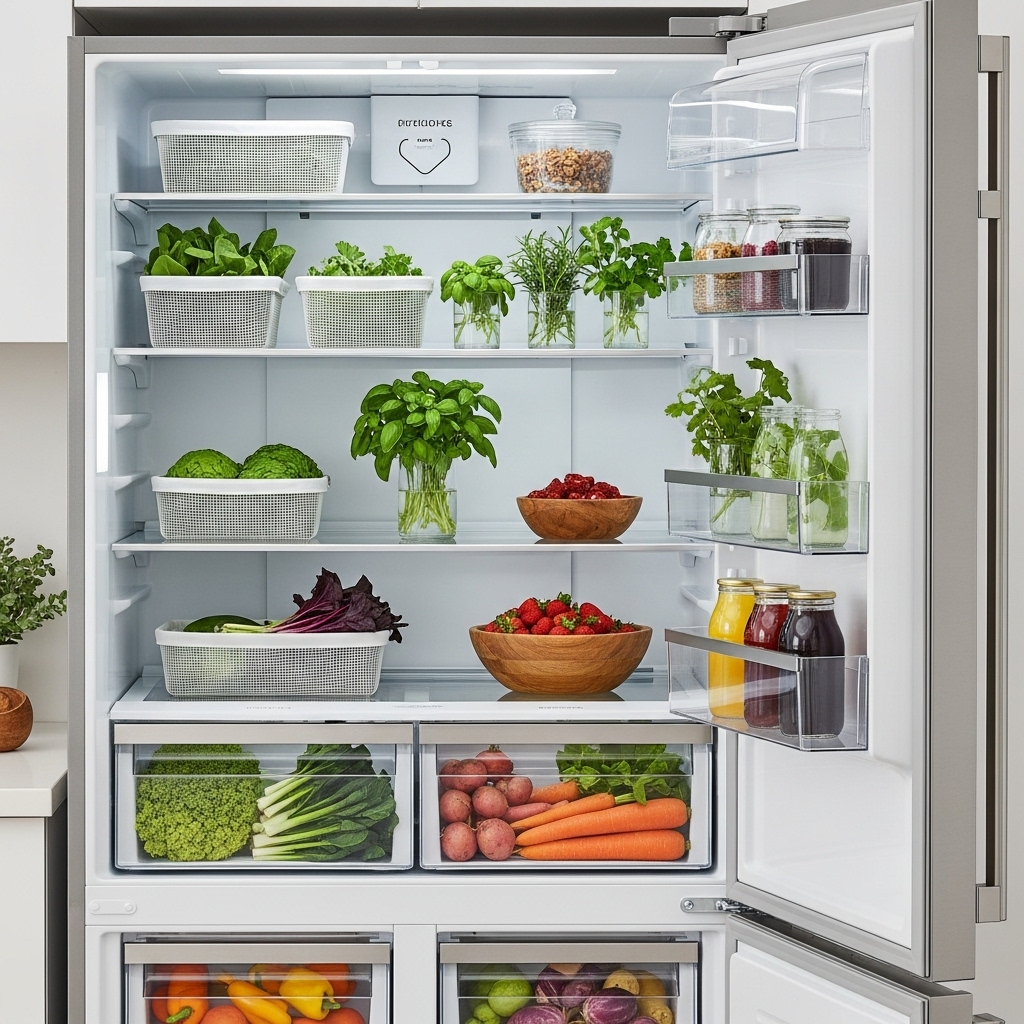
Think of your refrigerator as a collection of zones rather than a single cold box. The crisper drawers manage humidity; the top shelves hold steadier temperatures; the doors run warmer and are best for condiments. When you match produce to the right zone, you slow the processes that wilt, mush, or dull flavor. This small shift in thinking pays out in crisp leaves, snappy roots, and fruit that holds its perfume.
Humidity drawers are your allies for leafy greens and delicate herbs. The higher humidity reduces moisture loss, keeping leaves from drooping. In contrast, some fruits and vegetables prefer drier conditions to avoid condensation that encourages spoilage. Understanding this spectrum is the backbone of good storage, and once you learn it, you will find yourself placing items with intention rather than habit.
Greens That Stay Crisp
Greens ask for two things: cleanliness and breathability. Dirt holds moisture, which accelerates decay, and trapped water bruises leaves. The fix is simple. Rinse greens in cool water, spin them dry thoroughly, and store in a breathable container or wrapped loosely in a towel that wicks excess moisture. This creates a sweet spot of humidity without sogginess. Each time you open the container, let a little air exchange happen; it will keep the leaves lively.
If you buy whole heads—romaine, red leaf, or tender butter lettuce—remove any damaged outer leaves, rinse, and dry well. Stack leaves loosely. When it is time to serve, you will notice that dressing clings better to dry surfaces, and the crunch holds through the meal. This approach transforms salads from obligation to pleasure, a shift that Naperville families appreciate on weeknights when time and patience run thin.
Herbs That Keep Their Perfume
Herbs behave like tiny bouquets. Treat them accordingly and they will reward you for days. Trim the ends, place the bunch upright in a small jar of water, and cover loosely with a produce bag. Tuck the jar into a cool spot in the fridge and refresh the water every day or two. Soft herbs like parsley, cilantro, basil, and dill respond well to this method. Basil is the exception: it dislikes the cold and prefers room temperature unless your kitchen runs very warm; in that case, a gentle chill near the front of the fridge can help.
For hardy herbs like rosemary and thyme, skip the water jar. Wrap them in a slightly damp towel and slip them into a breathable bag. Their essential oils stay more potent when they are not waterlogged. Either way, label jars or bags if you have multiple varieties, and place them where you can see them. Visibility drives use, and use is the ultimate freshness strategy.
Berries Without the Rush
Few things disappoint like mushy berries. The path to better berries is straightforward: keep them dry and unwashed until the moment you eat them. Store in their original container or a shallow, breathable box lined with a dry towel. If condensation forms, swap the towel. Rinsing right before serving preserves structure and concentrates flavor.
When berries are abundant and you cannot eat them all in time, turn excess into quick sauces or freeze them on a sheet tray before transferring to a container. This protects shape and texture, giving you a stash for smoothies and desserts. The idea is not to hoard but to extend enjoyment past the initial rush of overabundance that sometimes follows an enthusiastic market run.
Tomatoes, Peaches, and Other Counter Stars
Some fruits do their best work on the counter. Tomatoes crave room temperature for both flavor and texture. Store them stem side down on a towel to reduce moisture loss and prevent bruising. Once they hit peak ripeness and you need to hold them another day, a short chill in the fridge buys time, but let them come back to room temperature before serving to revive aroma.
Stone fruits—peaches, nectarines, plums—follow a similar pattern. Let them ripen in a single layer with space between, away from direct sun. When their perfume intensifies and the flesh yields slightly to a gentle press, they are ready. If your schedule demands, a short stint in the fridge can pause them, but return to room temperature before eating. This rhythm turns a bowl of fruit into a weeklong pleasure rather than a race against softness.
Apples and Pears: Cool, Then Colder
Apples prefer cool storage that is not too dry. The crisper drawer is ideal. Keep them away from leafy greens, as their ethylene gas speeds up ripening in nearby items. Pears, on the other hand, benefit from a counter period to ripen fully. Once they soften near the stem and the aroma deepens, shift them to the fridge to hold at that perfect point for a day or two. Following these arcs respects the fruit’s natural cycle and delivers better flavor with less waste.
In Naperville homes where snacks disappear fast, place a small bowl of ready-to-eat apples on the counter and backfill from the crisper as needed. That simple practice keeps texture at its best while making it easy for kids and adults to grab something satisfying between commitments.
Root Vegetables and Squash
Roots and winter squash are the dependable backbones of many kitchens. Carrots, beets, and radishes like cool, slightly humid storage. Trim greens from the tops to prevent moisture loss and store roots in a breathable bag or bin. If they dry out, a quick soak in cold water revives crispness. Potatoes and onions prefer a dark, well-ventilated area outside the fridge; store them separately to avoid mutual spoilage. Winter squash keep best in a cool, dry spot with airflow—think a pantry or basement shelf rather than a sealed cabinet.
These sturdier items are your allies when schedules get unpredictable. They wait patiently and deliver comfort with minimal effort, especially when roasted to bring out sweetness and depth.
Cucumbers, Zucchini, and Peppers
These tender vegetables like moderate humidity and steady, cool temperatures. Store them in the crisper, unwashed, and wipe dry if you notice condensation. Avoid stacking heavy items on top; pressure bruises thin skins and shortens useful life. When you are ready to cook, rinse and pat dry, then proceed with simple preparations that preserve their crispness and color.
If you find yourself with more than you can use, a quick pickle is your friend. A splash of vinegar, a bit of salt, and a pinch of sugar transform slices into a lively side that keeps well for days. This technique stretches usefulness while adding brightness to sandwiches and salads.
Mushrooms and Their Breath
Mushrooms need to breathe. Store them in a paper bag or a container lined with a dry towel to absorb excess moisture. Avoid sealed plastic, which traps humidity and turns delicate caps soggy. When cooking, resist the urge to crowd the pan; give them space so they can brown instead of steam. These small acts respect the ingredient and protect the savory depth that makes mushrooms such a useful anchor for quick meals.
Managing Ethylene for Longer Life
Some produce emits ethylene gas as it ripens, which accelerates aging in neighbors. Apples and pears are prime examples. Keep high-ethylene items away from delicate greens and herbs. If you want to ripen something faster—say, avocados—place them near apples on the counter. Conversely, keep them separate if you want to slow things down. Understanding this chemistry gives you a quiet lever to pull as the week evolves.
Labeling shelves or drawers with simple reminders can help families maintain these boundaries. When everyone knows where things live, fewer items languish in the back, and more get used at their best.
Prepping Ahead Without Losing Quality
Prepping can save time if you do it strategically. Wash and dry greens and herbs, but avoid cutting fruits and vegetables too far in advance, which speeds moisture loss and dulls flavor. For items like carrots and celery, store sticks submerged in cold water and refresh every day or two; this keeps them crisp for quick snacks and lunchbox packing.
If you like having ready-to-cook components, roast a tray of sturdier vegetables early in the week and keep them in a shallow container. They reheat well and fold into grain bowls, omelets, or salads without losing texture. The trick is to prep what benefits from it and leave delicate items intact until the moment you need them.
Freezing Without Regret
Freezing is not a compromise when done well; it is a way to honor abundance. Blanch and freeze greens like spinach and kale in flat, thin packs that thaw quickly. Spread berries on a sheet tray before transferring to a container to protect their shape. Slice ripe bananas for smoothies and tuck away chopped herbs in a bit of oil to preserve aroma. These practices convert fleeting peaks into future convenience.
Label and date containers so you can rotate intelligently. Frozen produce is at its best within a few months, and knowing what you have prevents duplicates and forgotten treasures. Treat your freezer as an extension of the market, not a graveyard for good intentions.
Midweek Check-Ins
The simplest way to maintain quality is to schedule a midweek check-in. Open the crisper, rotate items that need attention to the front, and sketch a quick plan to use them. Maybe tonight becomes a grain bowl to incorporate a handful of roasted vegetables, or tomorrow’s breakfast leans into berries that are at their peak. If you need fresh ideas on the fly, take a glance at a curated Naperville fresh market selection and choose one item that can pull a meal together.
These five-minute audits reduce waste and help you reclaim control over the week. Instead of reacting to what is failing, you proactively enjoy what is ready.
Entertaining with Produce-Forward Ease
Hosting in Naperville often means balancing hospitality with real-life time limits. Produce-forward menus make that easy. A platter of tomatoes at peak ripeness, a bowl of simply dressed greens, and a tray of roasted squash can anchor a table with almost no stress. The more you refine storage, the more confidence you gain in holding items at their best until guests arrive. Your fridge becomes a staging area where everything waits patiently for its moment.
Because the flavors are clean and vibrant, guests with different preferences can find something to love. You do not need complicated menus or long ingredient lists; you need produce that tastes alive and a few techniques that protect that energy from market to plate.
Frequently Asked Questions
How long will washed and dried greens last?
When spun thoroughly and stored in a breathable container, most tender greens hold for three to five days with excellent texture. The key is removing surface moisture and preventing sogginess while maintaining gentle humidity.
Should I wash berries when I get home?
Wait until just before serving. Washing introduces moisture that collapses structure. Keep berries dry and cool, and rinse only when they are headed to the table.
Can tomatoes go in the fridge?
Briefly, if they are fully ripe and you need to pause them for a day. Bring them back to room temperature before eating to restore aroma and soften texture. Whenever possible, let tomatoes live on the counter.
What is the best way to store fresh herbs?
Soft herbs prefer a jar of water in the fridge with a loose cover; hardy herbs do better wrapped in a slightly damp towel. Basil is the outlier—keep it at room temperature unless your kitchen runs very warm.
How do I prevent produce waste?
Shop for a short horizon, store with intention, and schedule a midweek check-in to rotate items that need attention. Build meals around what looks ready rather than forcing a rigid plan. These small habits drastically reduce waste.
Is it worth prepping vegetables in advance?
Yes, if you focus on items that benefit from it. Wash and dry greens, cut sturdy vegetables, and keep snack sticks in water. Leave delicate produce whole until you need it. This balance saves time without sacrificing quality.
Bring Peak Flavor Home, All Week
If you are ready to turn great market finds into consistently excellent meals, refine a few storage habits and watch the difference unfold. Choose a couple of techniques to practice this week, and let your senses be the guide. For a spark of inspiration as you plan, browse the local fresh market offerings and pick one seasonal star to anchor tonight’s dinner.