Discovering the Everyday Advantages of Fresh Market Shopping in Naperville
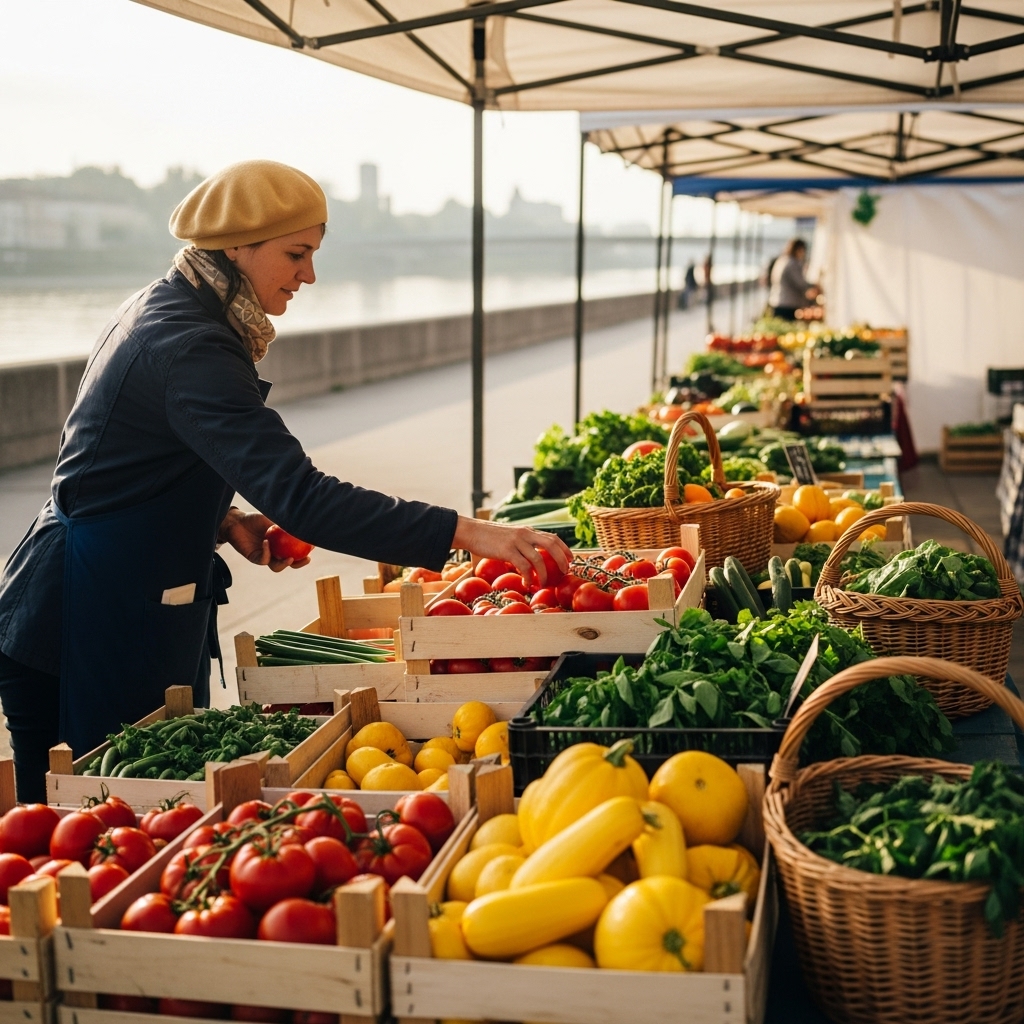
On a crisp morning along the Riverwalk, with the DuPage River moving at its steady pace and the chatter of neighbors carrying over the water, you can feel why Naperville has embraced fresh market shopping as part of daily life. Our city balances tradition with innovation, and nowhere is that more evident than in the way residents choose their produce, pantry staples, and ready-to-enjoy foods. The benefits of shopping fresh are not reserved for weekend wanderers; they are woven into weekday routines, family schedules, and the culinary curiosity that defines so many Naperville households from Brookdale and Tall Grass to Carillon Club and the vibrant downtown corridor.
When people talk about fresh market shopping here, they mention flavor first. It is hard to ignore the difference of biting into a tomato that has ripened on the vine or tearing into herbs that still carry the fragrance of the morning harvest. These sensory moments become markers of the season, reminding you of where you are and what time of year it is. That connection to place is one reason residents find themselves returning to the same stalls or store aisles, chatting with familiar staff, and asking what looks best today. If you are new to this routine and curious about where to start, explore a curated selection of seasonal staples at the local fresh market and let a single ingredient inspire your next meal.
Beyond taste, there is the assurance that comes from transparency. In Naperville, the conversation around food has grown more thoughtful over the years. Shoppers ask about origin, growing practices, and harvest timing, not out of trend-chasing, but because they can genuinely perceive the difference on the plate. When you pick up a head of lettuce that was crisped by last night’s cool air rather than a week of transport, your salad becomes crisper, your dressing can remain lighter, and the overall meal feels more complete. That visible freshness encourages simpler cooking, which is a quiet gift to busy families that want good food without complicated steps.
Strengthening Community with Every Purchase
Naperville is a community that thrives on connection. From block parties in White Eagle to impromptu chats outside the 95th Street Library, relationships are at the heart of the local experience. Fresh market shopping fits naturally into that rhythm. You notice it in the way staff remember that your kids love gala apples or that you prefer your peppers on the sweeter side. Over time, you build a trust that saves you decision fatigue. Ask what was harvested that morning, and you will receive a recommendation matched to your taste, budget tolerance, and cooking schedule.
These personal touchpoints generate value beyond the produce bin. When you buy locally sourced goods, you support the backbone of regional farms and businesses that keep Naperville’s food scene lively and resilient. Each purchase echoes through growers, drivers, and in-store teams who collectively ensure that the kale on your cutting board or the berries in your breakfast bowl arrive in peak condition. That ripple effect is what makes our community feel less like a collection of neighborhoods and more like a shared table.
In conversations with neighbors, you will hear how fresh market visits have evolved from obligatory errands into regular micro-adventures. On weeknights, people stop by after a walk on the Riverwalk or en route from sports practice, snagging whatever looks vibrant and building dinner around it. This spontaneity fosters creativity. It is liberating to decide a meal after seeing the shine of citrus or the color of radishes, rather than forcing an idea that seemed good on paper but clashes with what your senses are telling you is best today.
Seasonality as a Guide, Not a Limitation
One of the most powerful shifts that happens when you embrace fresh market shopping is the way the calendar informs your menu. Instead of seeing seasonality as a constraint, it becomes an energizing guide. Spring greens taste tender and bright; summer stone fruits gush with juice; fall root vegetables roast into sweet, caramelized sides; winter citrus brings brightness to gray days. In each season, Naperville residents discover that eating well does not require complicated techniques. It simply means paying attention to what is at its prime.
This attention transforms planning. Imagine building a week of meals around a few outstanding ingredients: a bunch of basil that practically perfumes your car on the ride home, a quart of strawberries that taste like July sunshine, or a head of cauliflower that roasts into nutty florets. Pair these with staple grains, a good olive oil, and pantry spices, and you suddenly have flavorful meals with little stress. You will also notice that kids become more interested in what is on their plate when the ingredients look undeniably delicious. A juicy peach is persuasive in ways that even the most enthusiastic parent pep talk cannot replicate.
And because Naperville audiences are so engaged in wellness, the nutrition conversation arises naturally. When food is freshly harvested, many vitamins and antioxidants remain closer to their peak. That is a scientific way of saying that the same salad you made last week can taste better and nourish more when the greens have come from a field rather than a long-haul truck. The difference is tangible. You can feel it in the way your meals satisfy without heaviness, and you see it in the color and texture on the plate.
Freshness Reduces Kitchen Stress
Another subtle benefit you notice after a few weeks of shopping fresh is how it simplifies cooking. Naperville kitchens are as varied as our neighborhoods, but the consensus is clear: better ingredients mean fewer steps. When produce is vibrant, you do less to it. A drizzle of lemon on crisp greens, a quick sear on zucchini, a flash sauté for snap peas—these minimal touches are enough because the ingredients arrive already carrying the flavor. It is a relief for anyone juggling commutes, homework, and the cadence of busy evenings.
Cleanup shrinks along with the cooking time. Fewer pots and pans, less stovetop splatter, and a sense of calm as you plate dinner without scrambling for sauces to compensate. This is not so much a technique as it is an attitude shift. You start to trust that a handful of excellent ingredients can outshine a sprawling recipe list, and that confidence grows with each successful weeknight meal. Even when you entertain, guests notice the brightness of what you serve and ask where you found it, which often becomes the start of a new neighborly tradition.
Midweek Momentum and the Joy of the Unexpected
There is particular magic in how a midweek fresh market visit can rescue a routine. Tuesday or Wednesday afternoons, when energy dips and calendars feel relentless, a quick stop can turn the evening around. Perhaps you discover a stunning batch of cherry tomatoes or sturdy greens that beg to be dressed simply. Let those finds define the menu. In the middle of your shopping journey, it helps to revisit a curated assortment, and the Naperville fresh market selection can spark ideas you would not have planned in advance. That encounter with the unexpected is what keeps home cooking from becoming monotonous.
Our city’s geography makes this easy. Whether you are coming from the Edward Hospital campus, looping south from Neuqua Valley, or heading west from the Ogden Avenue corridor, it is simple to swing through, pick up something beautiful, and be home in time to cook without feeling rushed. This convenience matters. Over time, those small, low-stress stops compound into a reliably better week.
Supporting Sustainable Choices Close to Home
Naperville’s residents care deeply about sustainability. You see it in the way families talk about reducing waste, choosing reusable bags, and planning meals to minimize leftovers. Fresh market shopping aligns with these values. Shorter supply chains often mean leaner packaging, reduced refrigeration, and fewer miles traveled. When you notice that your crisper drawer stays more organized and ingredients get used at their peak rather than forgotten, you are participating in a small, steady form of stewardship.
It also means you can ask sharper questions. If a particular farm is supplying the greens this week, find out about their irrigation, soil practices, and harvesting cycles. These conversations are not about moralizing; they are about learning and making informed choices that feel good. When the person across the counter can tell you precisely where your produce came from, you feel looped into a larger, hopeful story about regional agriculture and the future of food in the western suburbs.
Unlocking Culinary Creativity for Every Skill Level
One of the joys of fresh market shopping is how it nudges you out of culinary ruts. Maybe you have always walked past kohlrabi, not quite sure what to do with it. A friendly tip from staff—slice it thin, squeeze a little lemon, toss with a pinch of salt—and suddenly you have a crisp snack that earns a permanent spot in your rotation. The same goes for herbs you have not tried or varieties of familiar vegetables that behave slightly differently in the pan. These micro-lessons accumulate, building your confidence without formal cooking classes.
For seasoned home cooks, the market becomes a creative lab. You can compose meals around contrasts—crunchy and creamy, bright and earthy—using produce that practically instructs you. Naperville hosts its share of impromptu porch dinners and backyard gatherings, and fresh ingredients elevate those evenings without fuss. When you shop this way, your recipes become less rigid. You cook with your eyes and nose, and the results are both personal and impressive.
Fresh Food as a Family Tradition
Families in Naperville often turn fresh market visits into rituals. Kids learn to choose fruit by scent and weight, to look for vibrant leaves on beets, and to tug gently at corn silk to check for plump kernels. These tactile lessons stick. They also create buy-in. Children who help choose ingredients are more likely to taste a new vegetable or finish a salad without prompting. Over time, weeknight dinners become less of a negotiation and more of a shared project. That shift takes pressure off parents and empowers kids to feel connected to what they eat.
These small rituals echo across a lifetime. College students return home and ask where the good peaches are. Grandparents share tips on storing greens or reviving herbs. New neighbors pick up local habits quickly, assimilating into Naperville’s rhythm through the most universal connector: food. The market serves as both pantry and gathering place, a hub of knowledge and taste that strengthens the collective culture of our town.
Practical Planning Without Rigidity
One misconception about fresh market shopping is that it requires elaborate planning. In practice, it works best with a flexible framework. Keep a short list of staple proteins, grains, and pantry items you like to have on hand. Then, let the market provide the flair. If asparagus looks exceptional, plan a quick sauté with lemon. If the apples are particularly crisp, build breakfasts around them for a few days. This approach keeps grocery runs light and supports the pleasant surprise of finding something you did not expect.
Over time, your household will develop a rotation that reflects both the seasons and your preferences. Some weeks you will cook more, other weeks you will lean on raw, ready-to-eat combinations. What remains constant is the satisfaction of eating food that tastes alive. That liveliness is difficult to describe until you experience it consistently, but once you do, it becomes the standard you measure everything else against.
Respecting Time and Energy
In a city with commutes that stretch to the Loop or west to corporate campuses, time is a precious currency. Fresh market shopping honors that reality by simplifying choices. Rather than sifting through endless options, you focus on what is at its best. Decision fatigue melts away. Even the act of comparing two peaches becomes enjoyable rather than tedious. You rely on your senses, not on labels or marketing jargon, to guide your choices.
This sensory approach carries into the kitchen. When you trust the quality of your ingredients, you can cook quickly and still feel proud of the results. That satisfaction is its own form of self-care, particularly during hectic seasons like the start of the school year or the lead-up to the holidays. Good food becomes less of a luxury and more of a reliable foundation.
Frequently Asked Questions
How often should I shop the fresh market to keep produce at its peak?
Two or three short visits each week can be more effective than one large haul. In Naperville, many residents swing by on their commute home or after extracurriculars, choosing just what they need for the next two or three meals. This rhythm ensures that greens stay crisp, berries remain fragrant, and nothing lingers long enough to lose its spark.
What if I do not know how to cook something that looks great?
Ask the staff for a simple method that respects the ingredient. You will usually get a two- or three-step approach that becomes a reliable template. Start with minimal seasoning and quick cooking times; let the ingredient’s character lead the way. Over time, you will build instinct and confidence without feeling overwhelmed.
How can I shop seasonally without memorizing harvest calendars?
Use the market itself as your calendar. The most abundant, best-looking items typically align with their prime season. If you are curious, ask where an item came from and when it was harvested. You will quickly learn patterns—like the sweetness of local corn in high summer or the sturdy greens that thrive as nights cool—that guide your choices naturally.
Is fresh market shopping more time-consuming than traditional grocery trips?
It can actually be faster. Because you are focusing on fewer, higher-quality items, you spend less time comparing options and more time choosing by sight and feel. Many Naperville shoppers report that short, frequent stops integrate smoothly with everyday routines, saving time overall.
What if the item I want sells out?
Consider it an opportunity to try something adjacent. If your favorite greens are gone, ask for a recommendation with similar texture or flavor. The serendipity often leads to new discoveries, and you might find an alternative that suits your recipe even better.
How do I store fresh market produce to maximize its life?
Keep greens dry and loosely wrapped, store berries unwashed until serving, and give root vegetables a cool, dark environment. Small practices like spinning dry after washing or using breathable containers make a noticeable difference. You will develop a system that works for your fridge and your cooking cadence.
Can fresh market shopping fit a wide range of dietary preferences?
Absolutely. Whether you are cooking omnivorous meals, plant-forward menus, or gluten-free dinners, a fresh market puts versatile, flavorful ingredients at the center. From there, adjusting recipes to your preferences becomes simpler and more satisfying.
Planning Your Next Naperville Market Run
If you are ready to turn better ingredients into better meals, make your next stop a deliberate one. Choose a few seasonal stars, ask a question or two, and build tonight’s dinner around what looks vibrant. To spark your ideas and see what aligns with your taste, browse the thoughtfully curated fresh market offerings and let one or two standouts set the tone for your week.