
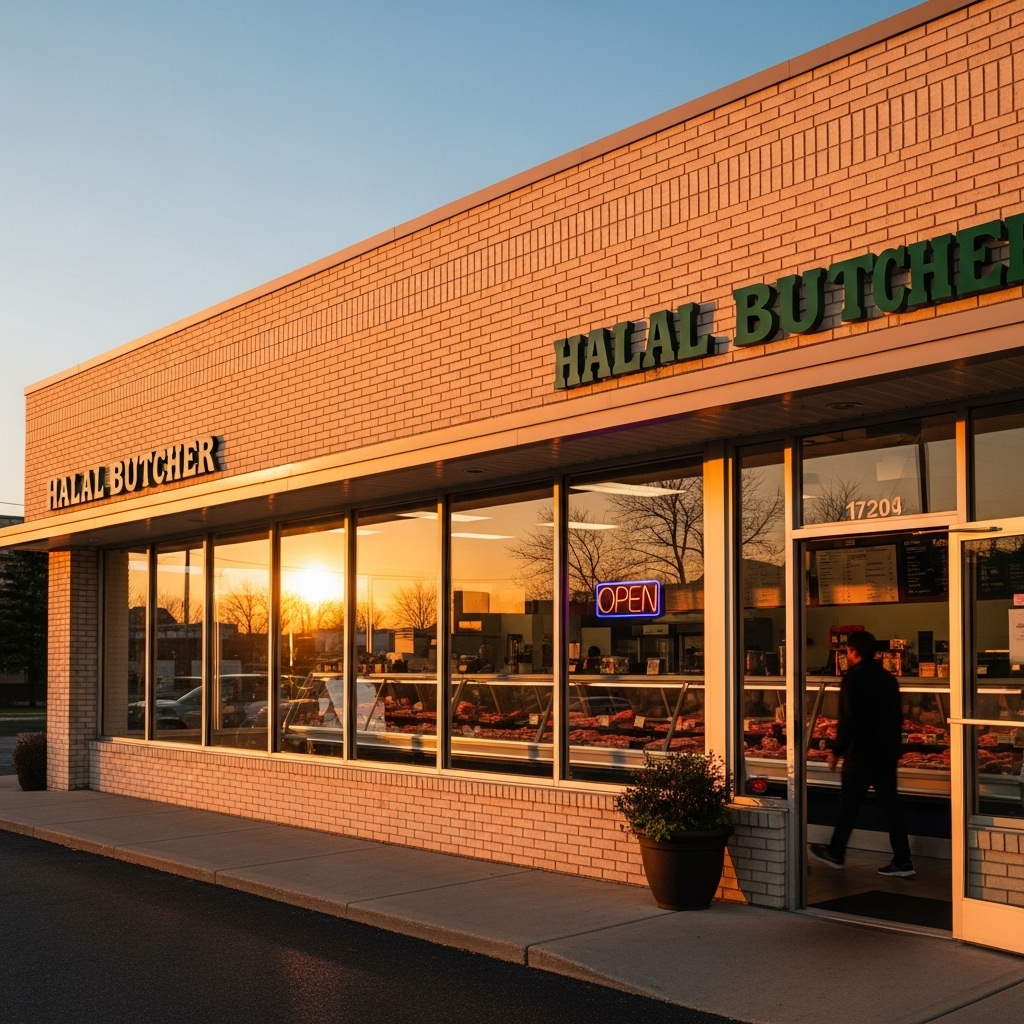
When you’re looking for halal meat near Naperville, the difference between a stressful errand and a smooth, satisfying trip often comes down to timing, preparation, and a few insider habits. Locals learn quickly that the best experiences happen when you understand store rhythms, know which days are ideal for specific cuts, and build a relationship with the butcher counter. Once you’ve found a reliable source of halal meat, the rest is about working with the flow of your week: planning for quick dinners on packed evenings, setting aside time for slow-cooked favorites on weekends, and keeping your kitchen ready to turn a good cut into a memorable meal.
Hours can shape your shopping style. Some markets open early enough to let you swing by before work, while others make evenings convenient for a stop on the way home. Saturdays often draw crowds, especially when the weather is nice and families are out together, but weekdays can be a quiet opportunity to ask more questions and receive extra attention. During holidays and community celebrations, expect a livelier pace and plan accordingly—shop earlier, write a clear list, and build in time to discuss cutting or grinding requests so the team can prepare your order exactly as needed.
Timing your visit like a local
Regulars often develop a rhythm: a quick midweek stop for staples and a longer weekend visit for special meals. If you’re aiming for bone-in cuts for stews or biryani, going early in the day can help you secure the best selection. For quick-cooking items like chicken cubes or thinly sliced beef, you might find flexibility throughout the day. If you’re planning a larger order—perhaps for a family gathering—calling ahead to discuss your needs can make pickup simple and stress-free. Communication helps the counter plan and ensures you get exactly what you want without waiting unnecessarily.
Weather can also influence what you buy. On warm days, you may lean toward grill-friendly options—lamb chops, wings, or skewers—while cold evenings call for slow braises and soups. Ask the butcher what’s looking particularly good that day. A well-timed suggestion can turn a vague plan into a confident menu. And if you’re exploring a new cut, mention your cooking method; the team will gladly trim to thickness for even cooking or cube meat to a size that suits your recipe.
Shopping strategies for smooth meals
A short list of go-to cuts streamlines your decisions. Boneless chicken for quick sautés, lamb shoulder for weekend stews, and ground beef or lamb for kebabs cover a surprising range of meals. Once you’ve secured the essentials, consider a specialty or two—bones for broth, shanks for a celebratory braise, or liver for a classic fry-up—so your week includes both comfort and discovery. Keeping herbs, citrus, and a small set of spices at home sets you up to infuse flavor without last-minute scrambling.
At home, organization keeps your ingredients at peak quality. Portion and label what you won’t cook right away, keep proteins cold until prep, and dry surfaces before searing to encourage browning. If you’re marinating, patience pays dividends; if you’re roasting, let the heat do its work and resist constant opening of the oven. These small disciplines convert a good purchase into a great meal, night after night.
Working with the butcher counter
Don’t hesitate to explain your plans. If you’re grilling kebabs for a neighborhood gathering, ask for uniform cubes that will cook evenly. If you’re making biryani, request bone-in pieces for deeper flavor. For kofta, talk through grind size and fat ratio. A respectful conversation leads to better results and helps the market serve you more efficiently next time. Over time, the staff will learn your preferences and offer well-timed suggestions—perhaps steering you toward a cut that just arrived in excellent condition or recommending a blend for exceptional kebabs.
Midweek, if your inspiration wanes, spend a moment reviewing selections of halal meat so you can reset your plan with fresh ideas. Seeing what’s commonly available—beef for a quick keema, wings for a casual grill, lamb shanks for a slow weekend—often sparks an idea that aligns with your schedule.
Seasonal rhythms and community moments
Naperville’s calendar affects the counter. During festive seasons, demand rises for certain cuts, and markets respond by organizing displays and sharpening their efficiencies. Lines may be longer, but the energy is contagious. If you shop routinely, you learn which hours are calmer and which days see fresh deliveries. Use that knowledge to your advantage: shop early for specialty cuts, and leave time for butchers to customize orders. Off-peak visits are also a chance to ask technique questions—how thick to slice for a particular stir-fry, or how to portion a roast for two meals instead of one.
Neighborhood word of mouth is a powerful tool. The best tips often come from fellow shoppers: a quick marinade trick for wings, the suggestion to save bones for broth, or a reminder that a certain cut of goat is especially good for slow cooking. These small exchanges make you a better cook and add richness to your weekly routine.
Frequently asked questions
When are markets typically less busy?
Weekday mornings and early afternoons tend to be calmer than evenings and weekends. During holidays and community events, plan ahead and shop earlier in the day. If you want extended attention at the counter, off-peak hours are your friend.
How can I make the most of a single market visit?
Go in with a plan: one quick-cook dinner, one slow-simmer dish for leftovers, and a flexible option like ground beef or lamb for kebabs or keema. Ask for trimming, slicing, or grinding to suit your recipes, and portion anything you won’t cook right away so it’s ready when you need it.
What should I tell the butcher to get the right cut?
Share your cooking method and timing. Say whether you’re grilling, stewing, or pan-searing; note if you need bone-in for flavor or boneless for speed; and request even cubes or thin slices for consistent results. The clearer your plan, the better the recommendation.
Which cuts work best for weeknights?
Thinly sliced beef, boneless chicken cubes, and lamb chops cook quickly and pair well with straightforward marinades. Keep herbs and citrus on hand for bright finishes that make simple meals feel special.
How do I keep meat in peak condition at home?
Maintain a consistent chill, prep on a clean surface, and dry the exterior before searing. Store portions you won’t use immediately, and consider saving bones for stock to add depth to soups and gravies later in the week.
If you’re ready to plan smarter and cook happier, visit a trusted market near Naperville and bring home quality halal meat today. A few good habits—and a friendly chat at the counter—are all you need to turn everyday dinners into something you’ll look forward to all week.