
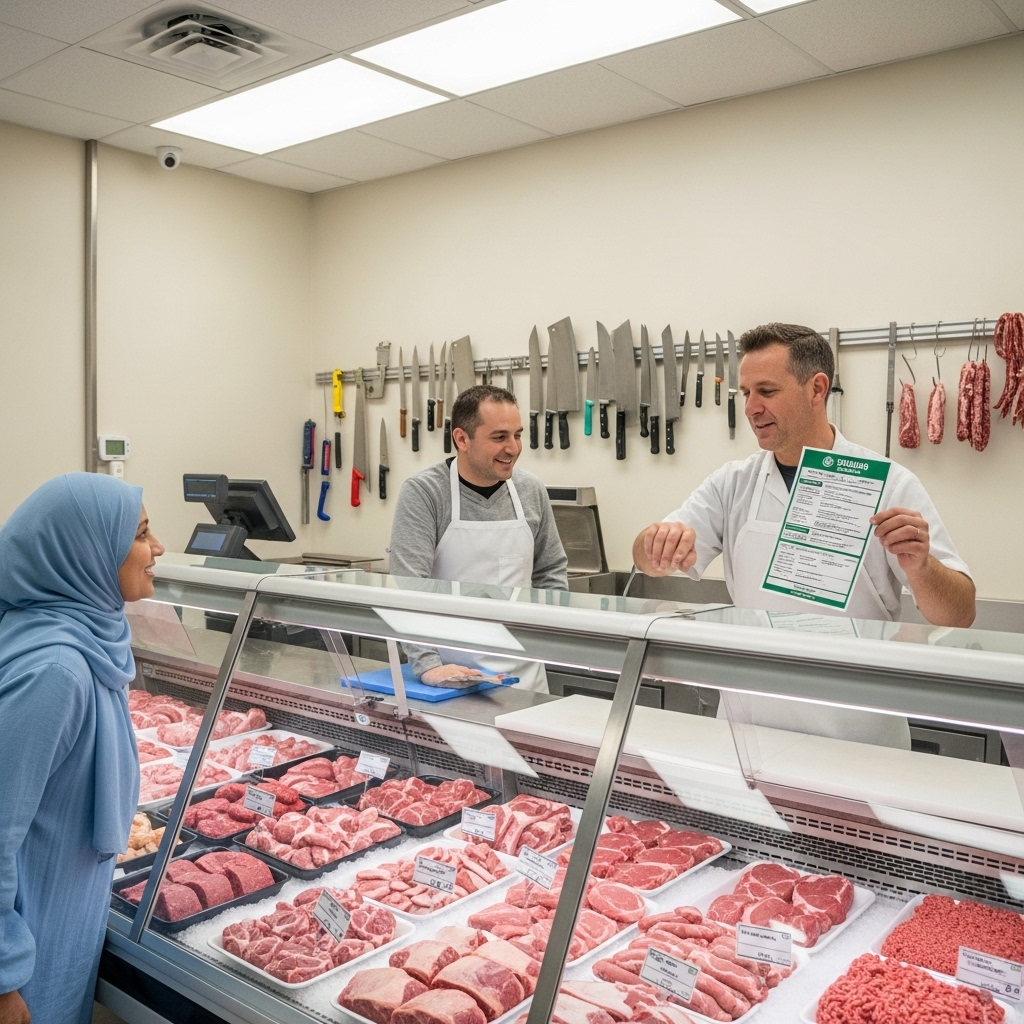
Ask any Naperville home cook who keeps halal what makes a great market, and you’ll hear a familiar answer: clarity, consistency, and care. Those three qualities are especially important when you’re seeking Zabiha halal meat. The term Zabiha refers to the specific method of slaughter performed according to Islamic guidelines, and understanding what to expect helps you shop with confidence. Whether you’re new to the area or have been strolling the Riverwalk for years, you’ll find that the best local markets make it easy to navigate your options, answer questions with respect, and keep their cases stocked with fresh halal meat that aligns with both tradition and taste.
When you walk into a trusted Naperville market, you can feel the standard before anyone speaks. Counters are clean, signage is clear, and the staff show a practiced rhythm that signals good training and attention to detail. Ask about certification, and they’ll explain how it’s maintained and what it means for handling, from receiving to display. They’ll talk about separation of tools and surfaces, the flow of product through the cold case, and how they encourage customers to request custom trimming, grinding, or slicing so each purchase is tailored to a specific dish.
What Zabiha means in practical terms
Beyond definitions, Zabiha in daily shopping looks like integrity at each step. You’ll notice that staff are comfortable discussing sourcing and that they never hesitate to show you labels or walk you through the process. The aim is to honor religious requirements without compromising on culinary results. That’s why Zabiha shoppers often comment on the depth of flavor they experience in slow simmers or grills—the meat is handled thoughtfully from the outset, and that care shows up in the final dish.
Naperville’s markets reflect the city’s diversity, so you’ll find an array of proteins and cuts: beef suitable for kebabs or keema, lamb for chops and braises, goat for curries and biryani, and chicken in all forms from whole birds to wings and boneless cubes. You can expect knowledgeable recommendations. If you’re making seekh kebab, a butcher might suggest a specific grind or a blend of beef and lamb. For a long-cooked curry, they’ll steer you toward cuts with connective tissue that breaks down beautifully. That level of guidance is part of the Zabiha shopping experience here—practical, respectful, and focused on results.
How to read freshness and quality
Freshness reveals itself in color and aroma. Beef should have a vibrant tone and even marbling, lamb a rosy color and supple texture, and chicken a plump, clean look. Goat benefits from precise cutting, making it easier to brown evenly before a slow cook. Ask about delivery schedules and rotation; a confident team will answer readily. And don’t be shy about requesting trimming to your preferences. The ease with which a butcher adapts to your needs often reflects the overall standard.
Packaging matters, too. Look for neatly wrapped portions with clear labeling and no excess moisture, which helps maintain texture. If you’re buying in bulk for a family event, ask for help dividing portions so you can store them neatly at home. Good markets are happy to assist because they want your cooking results to be as positive as your in-store experience.
Planning your meals the Zabiha way
One of the strengths of Zabiha shopping in Naperville is the ability to plan around your week. For quick dinners, boneless chicken cubes, thinly sliced beef, or lamb chops cook fast and pair well with straightforward marinades. For leisurely weekend cooking, beef chuck, lamb shoulder, or goat curry cuts transform into tender dishes that perfume the kitchen. The idea is to let technique match your schedule—fast sears when you need speed, patient simmers when you want depth. Keeping bones for stock is an easy way to stretch value and bring comfort to soups and gravies later in the week.
Many local cooks appreciate the option to grind on request. For kebabs, a slightly coarser grind can add character; for kofta, a finer texture may be preferred. A custom grind means you avoid the guesswork of prepackaged options and can tune the result to your family’s taste. The same goes for trimming fat and slicing to a specific thickness for skewers or stir-fries. Over time, these small adjustments become a signature of your kitchen.
Midweek, when inspiration lags, it helps to look over a selection of halal meat to spark new ideas. Seeing what’s commonly available—shanks for a braise, wings for a casual grill, beef for a quick keema—often nudges you toward a dish that fits the day’s energy. Shopping with a plan, but leaving room for what looks freshest, gives you the best of both worlds.
Kitchen practices that honor the product
At home, handle your Zabiha cuts with the same care the market shows. Keep things cold until prep, use a clean workstation, and dry surfaces before searing to develop color and flavor. If you marinate, give the process time; if you roast, allow heat to work steadily without constant interruption. Taste as you go, adjusting salt and spices with a gentle hand so the character of the meat stays front and center.
Community plays an important role in sustaining high standards. Naperville cooks freely share what works—how long to marinate lamb for chops, why goat curry tastes better the next day, or which cut gives beef biryani the perfect bite. When a neighbor suggests a technique, it’s often because they learned it from a butcher, an auntie, or a friend who cares about doing things right. That sense of shared wisdom makes Zabiha shopping feel less like a transaction and more like participation in a tradition.
Frequently asked questions
What should I look for to confirm Zabiha standards?
Seek clear labeling and staff who can confidently explain certification and handling practices. Watch for thoughtful separation of tools and surfaces, and ask how the market maintains integrity from receiving to display. Openness and consistency are strong indicators of standards you can trust.
Are certain cuts better for Zabiha cooking?
Any cut can be excellent when handled properly, but technique matters. Quick sears flatter thin cuts and chops, while shoulders and shanks benefit from slow cooking. Talk to your butcher about your recipe so they can recommend the cut and trim that suits your method.
Can I request custom grinding or slicing?
Yes. A hallmark of a good market is flexibility. Ask for a grind that matches kebabs or kofta, request thin slices for stir-fries, or have stew meat cubed evenly. Those small adjustments make cooking smoother and results more consistent.
How do I keep meat fresh after purchase?
Store properly, keep proteins cold until you prep, and avoid letting packages sit out on the counter. Dry surfaces before searing to encourage browning, and portion extras for the freezer so you can defrost only what you need later.
What if I’m new to cooking Zabiha dishes?
Start simple. Choose a quick-cooking cut and pair it with a straightforward marinade or spice blend. Ask the butcher for suggestions; good markets are generous with practical tips that shorten your learning curve.
When you’re ready to bring home quality you can feel good about, visit a trusted Naperville market and pick up premium halal meat for your next meal. With the right guidance and a little practice, your kitchen will tell a delicious story every night of the week.