In Naperville, conversations about organic food often start at the produce bins and end around the dinner table, where taste and trust carry as much weight as convenience. When people ask about how organic pricing works, they are usually asking a deeper question: what, exactly, am I paying for in terms of farming practices, freshness, and community values? The answer is layered, and it stretches from fields and certification offices to refrigerated trucks and store layouts. If you want to make sense of it all without getting lost in jargon, begin by focusing on value in your own kitchen—how ingredients behave, how long they last, and how they make you feel about cooking. Departments dedicated to carefully sourced organic foods can serve as a practical guidepost, because thoughtful curation often reflects the hidden work behind every apple, carrot, or bag of greens.
What shapes the price you see on the shelf
Organic agriculture follows specific standards that govern soil health, pest management, and the absence of certain synthetic inputs. These standards demand more labor and attention, from crop rotation to careful composting and the management of biodiversity in and around fields. That care ripples outward. The farms tend to be smaller, and the yields can be different compared to conventional operations, so each unit that reaches a Naperville shelf carries the cost of meticulous stewardship. Add certification audits, traceability systems, and post-harvest handling designed to protect quality, and you begin to see how the final number reflects many hands and decisions, not just a single transaction.
Seasonality and geography
Naperville cooks know that seasons matter for flavor; they matter for pricing dynamics, too. When a fruit is in its natural peak, there is often more regional availability, streamlined logistics, and a shorter path from field to cart. Out-of-season items may travel farther and require more protective handling, which adds complexity along the way. Choosing seasonal varieties becomes a strategy that supports both taste and value. It also connects your meals to the Midwest calendar, making food feel like part of the place where you live.
Packaging, handling, and loss
From the moment produce is harvested, the race to protect flavor and texture begins. Organic items often receive gentler handling and more careful sorting to reduce damage. Packaging choices—recyclable insulation, breathable bags, right-sized boxes—aim to preserve quality while minimizing waste. Any losses along the chain, whether in transit or at the store, factor into what you see on the shelf. When you notice crisp greens and unbruised fruit, you are also seeing the result of thoughtful stewardship designed to reduce spoilage without compromising environmental goals.
Retail curation and education
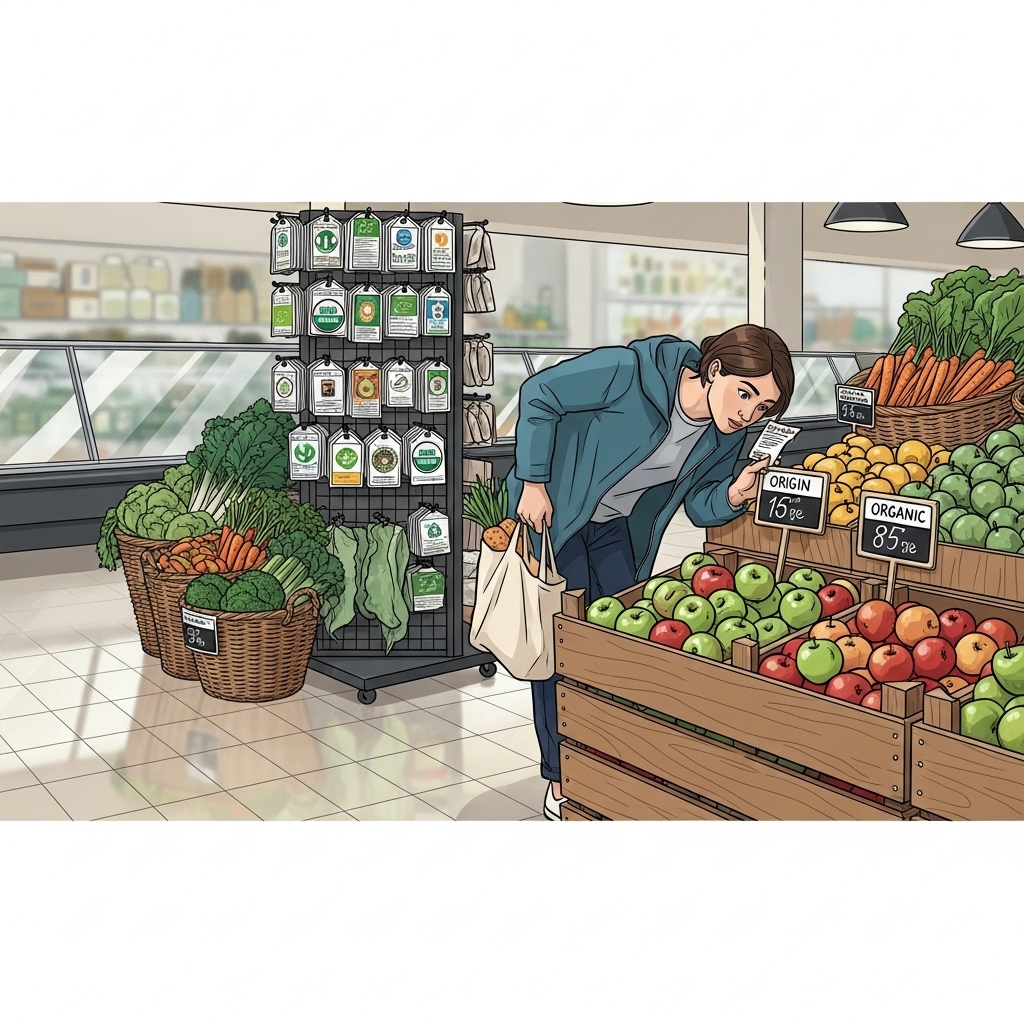
Good stores in Naperville invest in knowledgeable staff and clear labeling. That labor—answering questions about origin, explaining storage tips, or suggesting a cooking method—elevates the experience and reduces the chance that something languishes in your crisper. When education shortens the distance between purchase and plate, households waste less, which effectively stretches their food budget. The visible attention in a well-run organic department reflects behind-the-scenes decisions that keep selection vibrant and sensible.
Value measured in the kitchen, not just at checkout
While it is natural to notice shelf tags, value often reveals itself later. Lettuce that stays lively for days, carrots that keep their snap, berries that taste like something—these attributes change how you cook and how much of what you buy actually ends up on the plate. If you build meals around ingredients that pull their weight, you find that satisfaction rises and waste falls. Naperville cooks frequently talk about how a small set of excellent components can anchor a week of easy, appealing dinners without a sense of compromise.
Strategies for stretching value without sacrificing standards
The smartest approach blends planning with flexibility. Build a core of staples you know you will use—greens, a couple of vegetables that play well in multiple dishes, a citrus or two for brightness—then let the season add personality. Cook once for twice the payoff: roast vegetables upfront for salads and sides, and turn leftovers into bowls or tacos the next day. Store items properly so they go the distance, and keep a mental “use-first” list on the fridge. These moves ensure you enjoy what you buy and that the premium you place on organic production translates into everyday meals.
Local preferences and Naperville realities
Naperville is a city of active schedules and well-loved kitchens. That means quick trips for a handful of fresh items paired with occasional larger runs. Stores that focus on organic quality often tailor their inventory to this rhythm, favoring staple produce, practical pantry goods, and a few special items that refresh your menu. When the selection is tuned to how residents actually cook, it becomes easier to balance aspiration with practicality and to feel at peace with the choices in your cart.
Subscriptions and delivery through a value lens
Some residents prefer subscriptions or delivery for predictability. When a box arrives with a balance of staples and seasonal stars, you gain momentum and waste less. Predictable cadence lets you plan a small prep session that keeps ingredients at the ready. If a service also offers midweek add-ons, you can adapt without overbuying. In this way, the structure of your shopping becomes part of the value equation, helping you make the most of what you bring home. Midway through a season, it is common to discover that you are cooking a broader range of dishes simply because the ingredients keep showing up ready to inspire.
Taste, nutrition, and the intangible returns
Many Naperville families choose organic for reasons that are not easily captured on a shelf tag. They talk about flavor that feels more pronounced, textures that stay lively, and a sense of confidence about how the food was raised. Those qualities change how meals feel at the table, especially when you are feeding children or cooking for friends. The intangible returns—the pride of a colorful plate, the ease of cooking when everything tastes vivid—become part of the picture. Over time, that feeling often leads to steadier habits and fewer last-minute takeout decisions.
Making peace with trade-offs
Even the most enthusiastic organic shopper makes trade-offs. Some weeks you lean into staples and keep the cart tight; other weeks you treat yourself to a specialty item that turns a simple dinner into a small celebration. The point is not perfection but intention. By choosing a store that curates well and supports your questions, you can navigate those choices with clarity and confidence, aligning your purchases with the kind of cooking you want to do.
Frequently asked questions
Why do organic items vary so much throughout the year?
Seasonality and regional supply shape availability. When an item is at its natural peak, more regional options usually exist, and logistics are simpler. Out-of-season goods often travel farther and require more careful handling, which changes the equation behind what you see on the shelf.
How can I get the most value from organic produce at home?
Plan loosely, store items properly, and cook delicate ingredients first. Prepare a couple of versatile components—roasted vegetables, a pot of grains, a bright dressing—to make quick, satisfying meals that use what you have.
Is a subscription or delivery service worth considering?
For many Naperville households, yes. Predictable cadence reduces waste and decision fatigue. Look for programs that balance staples with seasonal highlights and allow easy adjustments when your week changes.
How do stores influence the overall value of organic shopping?
Curated selection, clear labeling, and staff who teach as they help all reduce waste and increase cooking confidence. When a store invests in these elements, the return shows up in your kitchen more than at the register.
What if I am cooking for people with different preferences?
Center meals on shared organic produce and pantry basics, then customize with proteins or toppings. This approach keeps shopping streamlined and respects different tastes without splitting your cart in two.
If you want a clearer, more satisfying approach to organic shopping in Naperville, focus on stores that curate carefully and support your questions. Let departments dedicated to excellent organic foods guide your selections, and bring home ingredients that make every meal feel like a step in the right direction.