
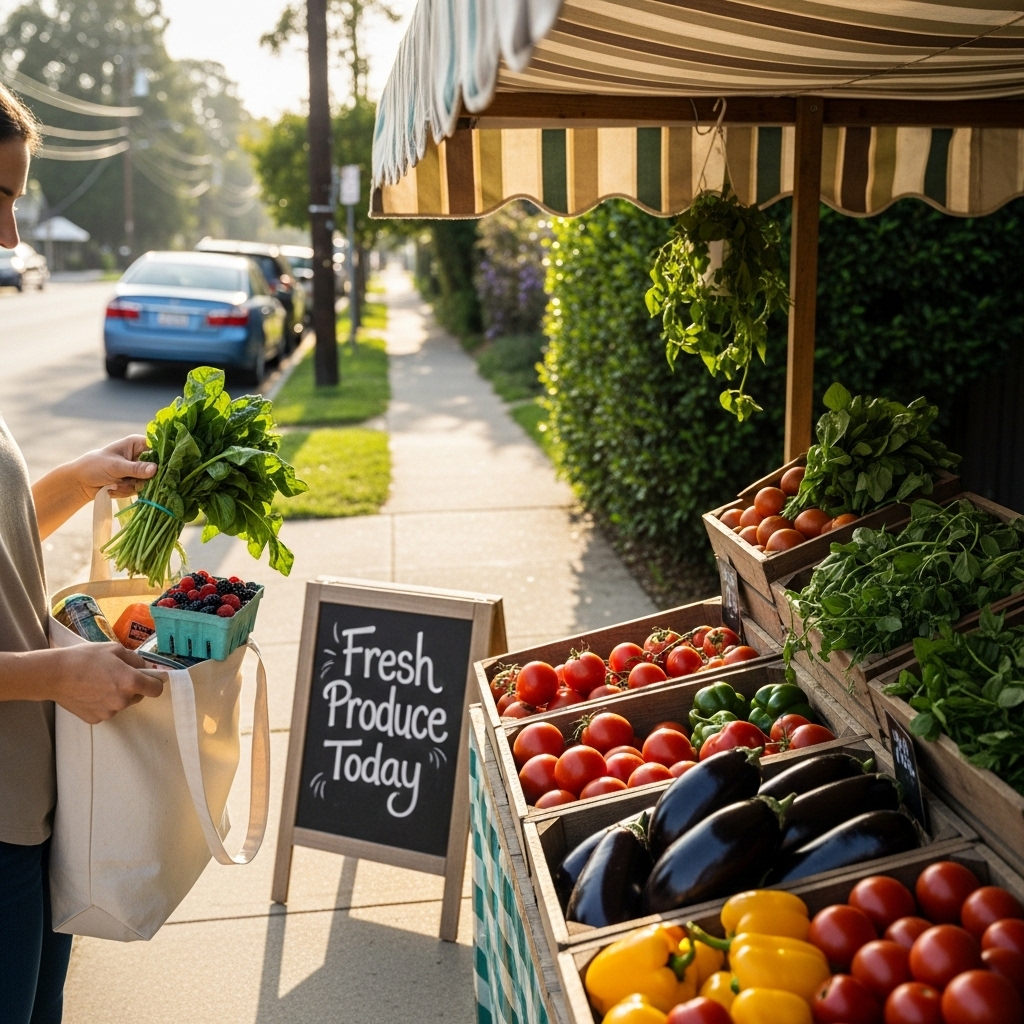
Searching for organic food “near me” in Naperville is less about a map pin and more about reading the city’s everyday rhythm. From early-morning coffee lines in Downtown to the after-school buzz near 95th Street, the question is really how to fold better ingredients into the life you already lead. The good news is that Naperville rewards curiosity. If you know how to read a produce display, how to time a quick visit between errands, and where to look for departments that champion curated organic foods, you will quickly find a handful of reliable spots that make weekday cooking easier and weekends more delicious.
Start with your routine, then draw a small circle
Finding organic options nearby begins with mapping your daily routes. If you commute along Ogden Avenue or Route 59, consider stores that sit on your path with easy in-and-out parking. If your mornings include a jog along the Riverwalk or a school drop-off, note the markets that open early or restock just before lunch. A five-minute detour is often all it takes to keep your crisper stocked. The key is to anchor your search to habits you already keep so fresh shopping never feels like a project.
How to read a produce section quickly
When time is tight, visual clues are your friend. Look for leafy greens that hold their posture, berries that smell like fruit rather than cardboard, and tomatoes with a gentle give. Rotate a bunch of herbs in your hand—if it feels lively and aromatic, you are on the right track. Ask a simple question about origin or storage; the confidence of the answer tells you as much as the label. When a team talks comfortably about seasonality and handling, you know you have found a place that cares.
Near me can mean “on the way home”
In Naperville, convenience is half the battle. Many residents plan a small midweek stop, often on the way home from work or after a practice pickup. This is when you snag the tender greens, the fruit that ripens perfectly by Saturday, and the herbs that refresh everything else you cook. Keep a short standing list—arugula, lemons, a head of garlic, a loaf of bread if you eat it—and add one seasonal item to keep your meals interesting. By the time dinner rolls around, you will be grateful you made the brief stop.
Building a toolkit of go-to items
Once you have a reliable source, assemble a toolkit of ingredients that solve weeknights without fuss. Think about sturdy greens for sautés and salads, a citrus or vinegar for brightness, and a couple of pantry proteins to round out the plate. With these basics in place, even a rushed evening can yield a balanced meal. The beauty of shopping organically is that the ingredients themselves do much of the work; when lettuce tastes like lettuce and carrots snap cleanly, you can cook simply and still feel spoiled.
Seasonality as your compass
Naperville seasons shape what cooks best. Winter pushes you toward roots and hardy greens, spring opens the door to tender asparagus and early lettuces, summer offers a parade of tomatoes, cucumbers, peppers, and berries, and fall fills the basket with apples and squash. Using these shifts as a guide reduces decision fatigue and keeps your meals aligned with flavor peaks. Plus, seasonal shopping helps you discover new varieties you might have walked past before.
The midweek refresh
Even if you shop on weekends, a midweek refresh can rescue your plan. Pick up a few perishables and a surprise ingredient to jumpstart creativity. This is also a great moment to visit departments that consistently feature well-chosen organic foods that can anchor a meal with little effort. With fresh greens and one flavorful accent—say, a bright herb or a tangy cheese—you can transform leftovers into a new dinner where the produce is the star.
Storage strategies that buy you time
Good storage habits amplify the benefits of nearby shopping. Spin-dry leafy greens and tuck them into breathable bags. Store herbs like bouquets, stems in a small jar of water in the fridge, loosely covered. Keep tomatoes on the counter, citrus in the crisper, and potatoes somewhere cool and dark. Label the “use first” items so they do not get lost behind tomorrow’s plans. These simple moves stretch freshness and reduce waste, making your efforts to find organic options feel even more rewarding.
Cooking with confidence
When your ingredients are lively, your cooking can be relaxed. Sauté greens with garlic and olive oil, finish with a squeeze of lemon, and serve beside whatever main protein you prefer. Roast a sheet pan of mixed vegetables and toss with a mustardy vinaigrette. Compose a salad that is more than garnish—think crisp leaves, a crunchy nut or seed, a creamy element, and something sweet-tart to tie it together. The goal is not perfection but momentum, the sense that dinner naturally grows from what looked best on the shelf.
The neighborhood effect
Naperville’s neighborhoods each bring their own rhythm to food shopping. Downtown favors quick, frequent stops between errands; areas west of Route 59 often lean on bigger weekly runs with targeted midweek visits. Families near 75th Street juggle sports schedules and value stores that make parking and checkout fast. In every case, the best “near me” spot is the one that respects your time, shows you beautiful produce, and answers your questions with care.
Frequently asked questions
How can I tell if a store’s organic selection is strong without browsing every aisle?
Start at produce. If greens look crisp, herbs are aromatic, and labels are clear, that is a good sign. Ask one question about sourcing or storage; the staff’s confidence will guide you. A quick pass by the pantry staples can confirm the store takes organic selection seriously across departments.
What time of day is best to shop for the freshest items?
Late morning is often ideal after a restock, but early evenings can also be strong if the store refreshes for the after-work rush. The best approach is to notice patterns at your favorite spot and time your quick visits accordingly.
How do I keep a quick trip from turning into a long one?
Carry a short, steady list of staples you always replenish and add no more than one or two discovery items. Move in a predictable loop—produce first, then a pass by proteins or plant-based alternatives, finishing in the pantry aisle for anything missing.
Is it worth asking for recommendations?
Absolutely. Staff who love food will steer you to what is peaking and how to use it. A thirty-second chat can save you guesswork and introduce a new favorite ingredient without stretching your time.
What if I am cooking for different diets in one household?
Focus on a shared base of produce and pantry items, then customize at the table with protein choices and simple sauces. When the vegetables taste great, everyone feels taken care of even if plates differ.
If you are ready to make “near me” mean “right on my route,” focus your search on stores that center freshness and clarity. Stop by the departments known for exceptional organic foods, and let a few well-chosen ingredients turn everyday cooking into something quietly special.