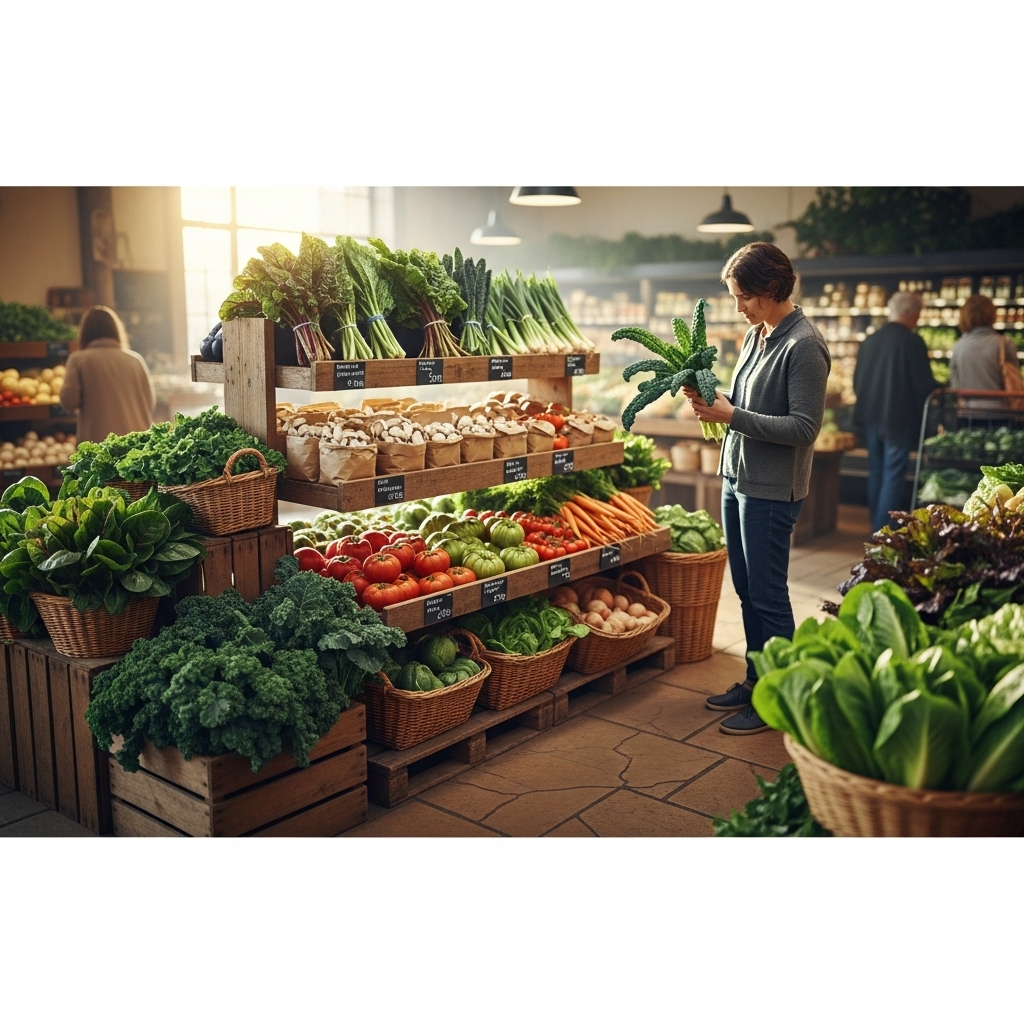
Choosing organic in Naperville isn’t about following a trend; it’s about aligning what we cook at home with how we want to live—thoughtfully, seasonally, and with respect for the farmers and producers who put in the extra effort. When I think about organic grocery options around town, I picture crisp kale that keeps its bite, carrots that taste like the garden, and berries you can rinse and eat without a second thought. I also think about clarity: labels that are easy to read, helpful staff who can walk you through certifications, and a center store whose grocery department supports organic choices with the right grains, oils, and pantry staples so dinner comes together naturally.
Going organic is easier when the store meets you halfway. That means clearly marked sections, regular rotation to preserve freshness, and reliable sourcing that you can trace. The best Naperville teams understand that organic shoppers want both confidence and convenience: a head of lettuce you trust, a carton of eggs that align with your values, and a shelf of tomato sauces that skip unnecessary ingredients. Once those basics are in place, you’ll start to notice how seamlessly organic choices fit into your weekly routine.
What “Organic” Means on the Shelf
Organic labeling can feel like a maze until you decode the basics. Certified organic produce is grown without synthetic pesticides or fertilizers, and organic packaged goods comply with strict standards for ingredients and processing. It’s about stewardship—of soil, water, and biodiversity—as much as it is about the finished product. In practice, that means your greens, apples, and berries come from farms that prioritize healthy ecosystems, and your pantry items are crafted to similar principles.
In a well-run Naperville store, you’ll see these principles in the details: separate displays for organic and conventional produce, dedicated shelf tags, and staff who are comfortable explaining the differences. You’ll also notice how the center aisles mirror those values—organic beans, grains, pasta, and sauces grouped together so you can shop efficiently without second-guessing what’s in your basket.
Seasonal Organic Produce
Seasonality pairs beautifully with organic shopping. Spring brings tender leaves and the first strawberries; summer bursts with tomatoes, cucumbers, and herbs; fall leans into apples, squash, and hearty greens; winter counters with citrus and storage crops like onions and potatoes. Following the seasons isn’t just romantic—it’s practical. When items are in season, they tend to taste better and look livelier on the shelf. You’ll also notice stores putting extra care into merchandising these peaks, offering tips on preparation and pairing them with complementary pantry goods.
For example, an organic tomato that tastes like sunshine begs for a simple olive oil, a pinch of salt, and basil. An organic butternut squash becomes a silky soup with good stock and a drizzle of cream. When the store places those items together, you’re reminded that organic eating is less about complicated recipes and more about letting quality ingredients do the heavy lifting.
Budgeting and Value Without Compromise
Organic shopping doesn’t demand a complete overhaul of your list. Start with the items you use most frequently or those where you notice the biggest difference in flavor. Many Naperville cooks begin with greens, berries, apples, and tomatoes, then layer in pantry staples like beans, grains, and broths. Over time, you build a toolkit that supports weekday meals and makes weekend cooking feel special without any extra fuss.
Value also comes from reducing waste. Store your organic greens with a lightly damp towel, keep herbs in water, and avoid washing berries until you’re ready to eat. A few storage habits stretch your investment and keep the produce tasting the way it did in the store.
Transparency and Trust
Trust is everything in organic shopping. I look for stores that provide sourcing information and encourage questions. It’s reassuring to know where items were grown and how they were transported. I’ve had short, useful conversations with staff about ripeness, storage, and cooking ideas that made my meal planning easier. When a store invites those questions—and backs them with informed answers—it becomes a partner in your kitchen rather than just a stop on your errand list.
Another small but important detail: cross-contamination awareness. Thoughtful stores separate organic and conventional items at displays and in the back room, so you can shop confidently. You may never see the behind-the-scenes work, but you’ll feel its effects in the consistent quality on the shelf.
Center Store That Supports Organics
Organic cooking doesn’t end in the produce section. The center aisles carry the building blocks that make organic meals satisfying and convenient: beans, broths, pastas, rices, flours, oils, vinegars, and spices. The best stores in Naperville curate these items so you can find what you need at a glance. Nothing slows a weeknight dinner like hunting for a specific grain or sauce when time is tight. A well-organized grocery department places complementary items near one another and clearly tags organic options so your cart stays aligned with your values.
I’m especially grateful when stores expand organic choices in categories we use daily—staple grains for batch cooking, canned tomatoes for quick sauces, and high-quality oils for dressings and roasting. Those simple upgrades add up across the week.
Cooking Simple, Eating Well
Organic ingredients shine in simple preparations. Think roasted carrots with a touch of honey and thyme, a salad of tender greens with citrus, or a skillet of garlicky beans spooned over toast. The goal isn’t to complicate dinner; it’s to let good ingredients carry the flavor. When your pantry is stocked with trustworthy basics, you can get a meal on the table quickly without sacrificing quality or values.
On busy nights, I’ll combine cooked grains with chopped vegetables and a bright dressing. On weekends, I might make a pot of soup that starts with organic onions and garlic, gains depth from beans and tomatoes, and finishes with fresh herbs. These habits become second nature, especially when the store makes it easy to find everything in one loop.
Community and Sustainability
Naperville’s food culture is as much about community as it is about ingredients. Choosing organic often dovetails with broader values: reducing synthetic inputs, supporting soil health, and caring about animal welfare. Many of us find satisfaction in knowing that the choices we make at the shelf ripple outward—to farms, to waterways, and to the people who handle our food along the way.
As more neighbors choose organic, stores respond with better variety and depth. You’ll see new items appear, more local partnerships, and clearer labeling that makes informed choices easier. It’s a virtuous cycle where demand and supply lift each other—and our meals taste better because of it.
Frequently Asked Questions
How do I start buying organic without overwhelming my routine?
Begin with a few high-impact items—leafy greens, berries, apples, and tomatoes—then add pantry staples like beans, grains, and tomatoes. Build gradually so it becomes a habit rather than a hurdle.
Is organic produce always more flavorful?
Flavor depends on freshness, variety, and seasonality as much as growing method. That said, many shoppers notice brighter taste and better texture in organic items when they’re in season and well-handled.
How can I keep organic produce fresh longer?
Store greens with a lightly damp towel in a container, keep herbs in water with a loose cover, and wash berries only when you’re ready to eat. Give produce room to breathe in the fridge to avoid premature wilting.
What should I look for on organic labels?
Look for clear certifications on produce and packaged goods, short ingredient lists you recognize, and store signage that separates organic and conventional items. If you’re unsure, ask staff for guidance.
Can I cook simple weeknight meals with organic staples?
Absolutely. A pot of beans, a grain salad, a quick pasta, or a hearty soup can all be built from organic pantry basics and a few fresh vegetables. Keep seasonality in mind for best flavor.
Ready to make organic your everyday?
If you’re drawn to food that’s mindful and delicious, you’re already halfway there. Start with a few favorites, build your pantry thoughtfully, and let the season guide your cart. With a clearly labeled selection and a supportive grocery department, organic eating in Naperville becomes the easiest choice you’ll make all week.