
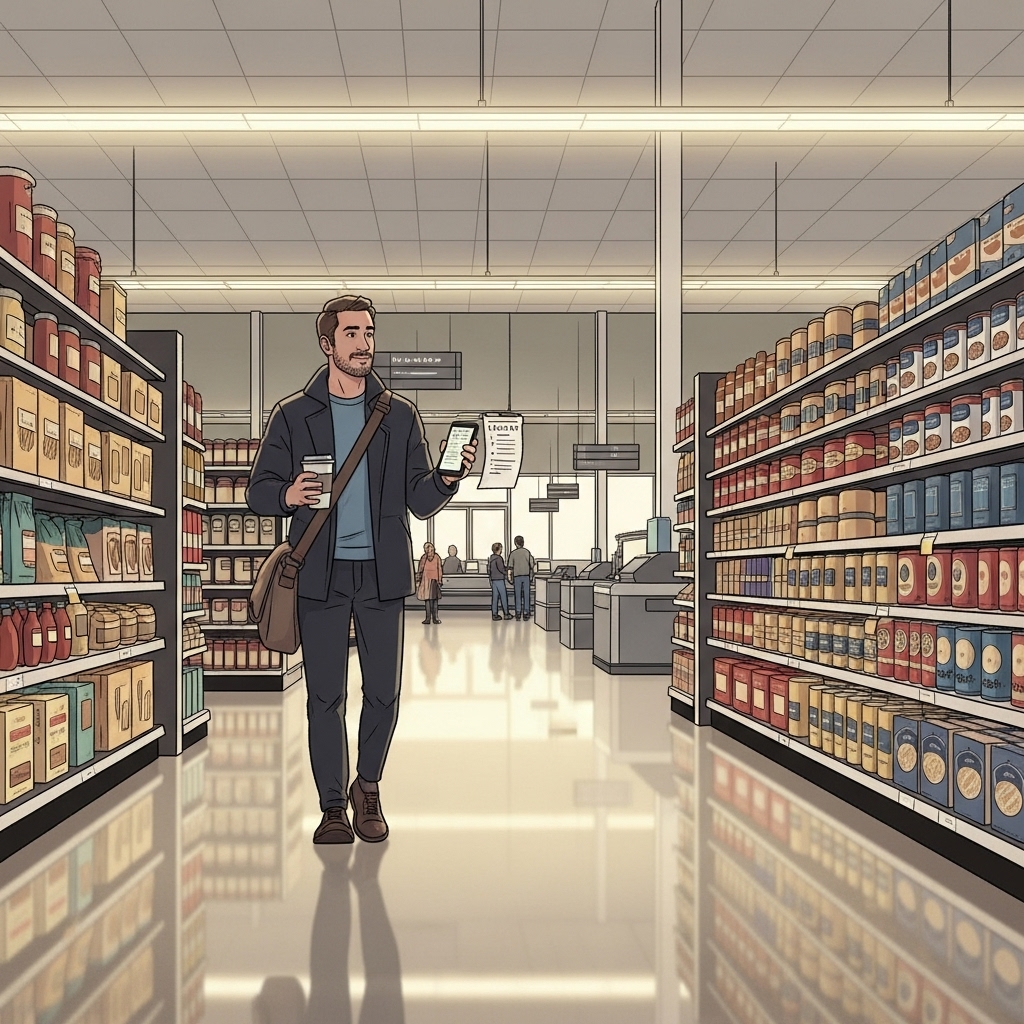
Every busy Naperville schedule tells a story: early-morning commuters cruising down Route 59 with coffee in hand, parents weaving errands between practices and rehearsals, and evening joggers crossing the Riverwalk as the sun dips behind the trees. When life moves this quickly, the hours your grocery store keeps can make or break your week. I’ve learned that the best stores in town understand our rhythms. They open early enough for a pre-work dash, stay open late for those post-dinner rescues, and plan thoughtfully around weekends, storms, and holidays. The real magic happens when those hours are paired with a layout that helps you move efficiently from produce to checkout, plus a well-organized grocery department where you can grab staples without backtracking across the store.
Think about your week: maybe Monday needs quick staples, Wednesday calls for a midweek refresh, and Friday demands party-ready ingredients. If a store’s hours align with that cadence, you immediately feel more in control of your time. Naperville’s best grocery teams also anticipate seasonal shifts—longer lines on summer evenings when patio dinners run late, or earlier foot traffic during winter snowfalls when everyone stocks up before the flakes fly. It’s this kind of responsiveness that turns an errand into a quick, reliable experience.
Early Birds and First Carts
There’s a special calm in a store just after opening. The lights are a little softer, pallets are broken down, and the aisles feel like they belong to you. If you’re an early commuter, take advantage of that window. Produce displays have just been refreshed, and dairy cases are full. Even the bakery, with its morning aroma, seems to put a spring in your step. The key is knowing which sections you’ll hit first. I like to start in produce, then swing through the center aisles for beans, grains, and sauces before finishing in dairy and frozen so everything stays cold on the drive up Washington Street.
Shopping early also helps you dodge decision fatigue. With fewer people around, you can compare labels without feeling rushed and chat briefly with staff setting up for the day. They’re an underrated source of intel: which avocados will ripen by Friday, whether the leafy greens just arrived, and which items were popular over the weekend and may sell out again tonight.
Lunch-Break Dash
Midday hours are a quiet treasure for remote workers and those with flexible schedules. If you slip in around lunch, you’ll find shorter lines and time to browse. I use this window to restock pantry goods and refill fruit bowls, then pick up something ready-to-eat to carry me through the afternoon. The deli counter is efficient, and the salad bar—when available—becomes a quick fix. The goal during lunch is to make tomorrow easier: grab bread, eggs, and a vegetable or two that cook fast after work, so you’re not scrambling when evening commitments pile up.
One tip for midday shoppers: plan a clear path. Start with the cart, scan the front displays for seasonal items you’ll want later in the week, then cut through the center aisles in a single loop. Good stores map their merchandising around typical lunch-break time frames. They make it easy to nab a sauce, a grain, and a protein in a few minutes, which keeps stress low and dinners on track.
Evening Efficiency
We all know the classic Naperville evening: traffic loosens up, kids tumble out of practice, and suddenly dinner is due. This is where extended hours prove their worth. I’ve come to appreciate stores that maintain full-service energy late into the evening—produce rotated, meat and seafood counters attentive, and the checkouts staffed enough to keep things moving. Even after eight, I want a store that feels awake and helpful. That often means intentional staffing that doesn’t fade after the dinner rush.
If your evenings are variable, make a loose plan. Keep a running list on your phone categorized by the store’s layout, and avoid wandering. You can still browse, but give yourself a theme—maybe a stir-fry night or a pasta bake—so you can drop ingredients into the cart swiftly. Many of us build meals around a few reliable pillars: leafy greens, a versatile grain, and something bright and crisp for contrast. When the store respects your time with clean merchandising and clear signage, you’re in and out before the kids have their shoes off.
Weekend Strategies
Weekends bring a different energy. Saturday mornings are lively, and Sunday afternoons can swing from quiet to bustling depending on sports schedules and the weather. To make weekends work for you, split your shopping: a quick, early run for perishable items, then a smaller Sunday visit for the odds and ends you forgot or didn’t want to commit to yet. This split approach reduces waste and helps you adapt to last-minute plans—like an impromptu grill night or a cozy soup when a cold snap rolls through.
Weekend hours also matter if you host. Stores that keep a steady flow of staff on duty tend to avoid those infamous bottlenecks where everyone seems to be hunting for the same ingredient. When I’m prepping a bigger meal, I’ll stop in mid-morning and ask which items just landed. It’s a tiny conversation that can steer a menu: maybe the green beans are outstanding today, or there’s a new bread that would make appetizers shine.
Holiday and Weather Flexibility
Naperville weather can turn on a dime. When storms sweep in, flexible hours and clear communication are everything. The stores that do this well post updates, reassign staff to front-line roles, and keep essential items front and center so you’re not zigzagging across the building. Around holidays, it’s helpful when hours are posted well in advance and the layout is adjusted to accommodate bigger carts and longer lists.
On those peak days, build in buffer time. Arrive earlier than you think you need to, and organize your list with a simple flow: produce first, then pantry, then refrigerated. This order mirrors the path most Naperville stores design, so you’ll spend less time doubling back and more time getting home to prep.
Making the Most of the Middle Aisles
For all the focus on timing, the real success of a quick trip lives in the aisles themselves. I’m always grateful for a tidy, intuitive center store where broths, beans, pastas, grains, and sauces are exactly where I expect them. You can tell a store respects the clock when they curate these shelves thoughtfully, reduce duplicates, and place complementary items in logical proximity. Nothing steals time like a treasure hunt for basics. The best evenings happen when you find the right broth beside the noodles, the right vinegar near the oils, and the right rice across from the spices. That synergy is why I value a well-managed grocery department as much as any extended hours sign on the door.
Think of it as choreography. If pesto is on your list, you’ll want pasta and a tomato or two. If tacos are calling your name, you want shells near beans and salsas. Shopping becomes smoother when the store anticipates these patterns and groups items accordingly.
Family-Friendly Convenience
Parents know: speed matters most when kids are hungry. Strollers navigating tight corners, toddlers curious about everything, and teens texting from the car—these are everyday realities. Naperville stores that cater to families widen high-traffic aisles, keep grab-and-go snacks near the entrance, and offer quick checkout lanes. When hours accommodate after-school crunch times, you can slip in between commitments and still make a proper dinner.
I also appreciate stores that maintain consistency. If peanut butter moves every other month, families lose precious minutes searching. The best teams anchor core items so you don’t have to relearn the map while managing small hands and big appetites.
From Store to Table Without Stress
Efficiency isn’t about rushing; it’s about removing friction. Think of your week as a set of small opportunities: an early morning for fresh produce, a midday lunch dash for pantry staples, and a calm evening visit when you want to browse. When a store’s hours align with those moments, you cook more confidently and waste less food. It’s easier to stick to a plan, improvise when needed, and still make time for a walk along the Riverwalk or a game at the local fields.
Frequently Asked Questions
What’s the best time to avoid crowds in Naperville grocery stores?
Early mornings on weekdays and midday during lunch are often the quietest. Sundays can be calm right after opening, while Saturdays tend to be busiest mid-morning through early afternoon.
Do stores restock produce and essentials throughout the day?
Many do. It’s common for Naperville stores to receive deliveries in the morning with touch-up rotations into the afternoon and evening. Ask staff when they expect the next batch if you’re seeking a specific item.
How can I speed up after-work shopping?
Organize your list by the store’s layout, start with produce, and finish with refrigerated items. Stick to a simple theme for dinner and avoid detours. A tidy center store and clear signage will shave minutes off your trip.
Are weekend hours different from weekdays?
Often, yes. Many stores adjust staffing and sometimes extend hours on weekends to handle heavier traffic. Keep an eye on posted schedules around holidays and community events.
What if I need a last-minute ingredient late at night?
Look for stores with extended evening hours and consistent service levels past dinnertime. A well-organized layout helps you find what you need quickly without sacrificing quality.
Ready to reclaim your week?
Your grocery run doesn’t have to compete with everything else on your calendar. Choose the times that match your rhythm, keep a simple plan, and rely on a neatly curated grocery department to fill the gaps. With a few smart habits, you’ll be home sooner, cooking better, and enjoying the evenings that make Naperville feel like home.