Ask any seasoned vendor in Naperville what separates a smooth market day from a stressful one, and you will hear the same answer: maintenance. It is the unglamorous backbone of selling food outdoors in a city where spring winds can flip a tent and summer sun can test the best coolers. The vendors who make a bustling Saturday look effortless are the ones who prepare relentlessly during the week, tending to equipment, displays, and systems long before the first customer arrives. Over years of helping and learning from producers along the Riverwalk and the south side, I have collected practical insights that turn maintenance into a quiet advantage—one that protects product quality, customer safety, and sanity.
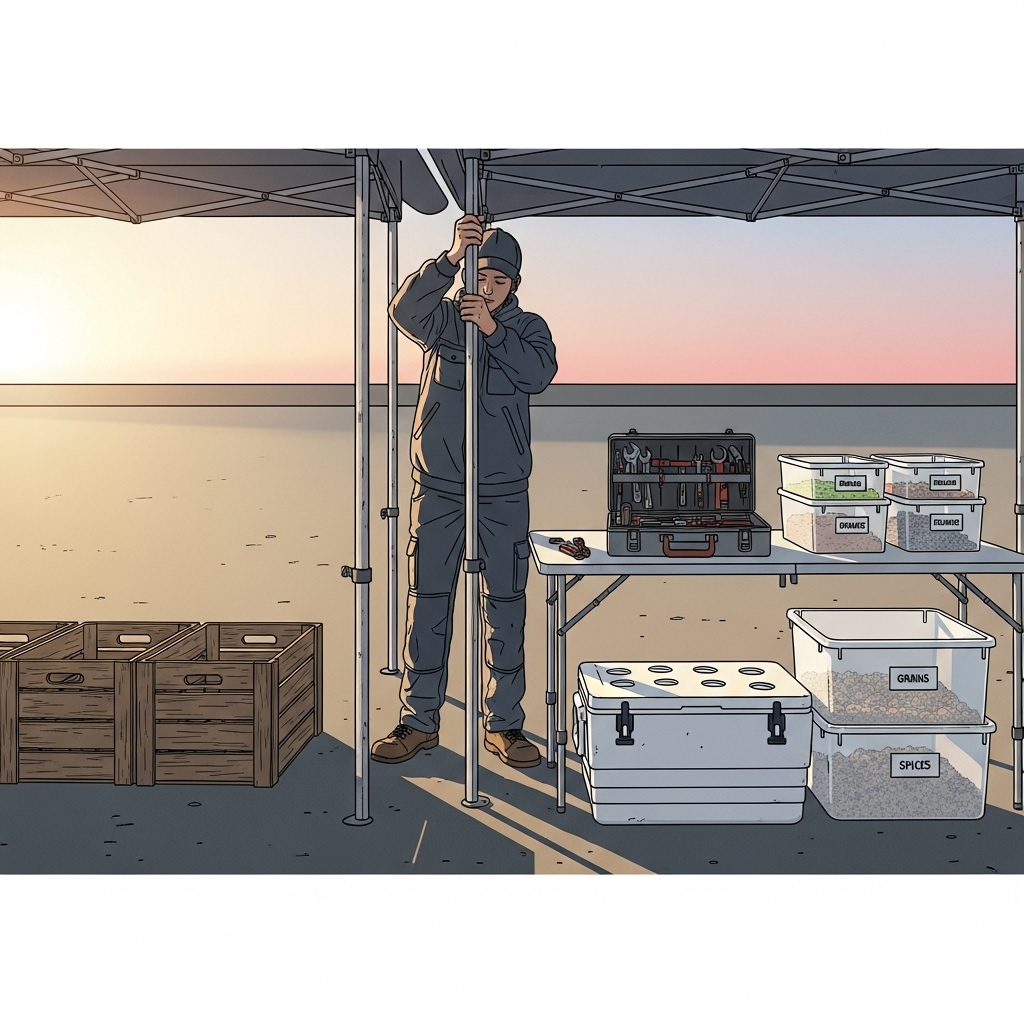
Start with tents and anchoring because stability frames everything else. After any windy day, inspect joints, fabric stress points, and guide ropes. In Naperville, gusts can whip across open parking lots, so solid weights and thoughtful placement are essential. Keep stakes and weights clean and labeled, and replace frayed straps before they become a hazard. A stable tent not only keeps shade where you need it but also protects delicate greens, cheeses, and baked goods from sudden exposure.
Tables and displays deserve the same attention. Hinges work loose, slats warp, and tablecloths snag. Wipe surfaces with a food-safe cleaner after each market, and check for wobble the day before you load. A flat, sturdy table keeps jars upright and prevents the slow slide that can send a pyramid of apples tumbling. Consider the flow of customers as you arrange items. Place heavier goods lower and closer to the vendor side, with delicate items buffered from elbows and backpacks. Maintenance here is preventive design—avoiding accidents by anticipating movement.
Cold chain management is where many vendors win or lose their day. Coolers need gaskets that seal, drains that do not leak, and interiors that are easy to sanitize. Rotate ice packs through a chest freezer during the week, and calibrate thermometers so you can spot trouble early. For prepared foods and dairy, organize coolers by product type and restock from larger reserves rather than propping lids open. In summer heat, shade your cold storage and track temperatures with quick checks. Consistent cold is a form of maintenance that preserves both quality and reputation.
Power and small equipment benefit from checklists. Charge POS devices, spare batteries, and receipt printers the night before, and pack backup cables in a labeled pouch. Test card readers with a small transaction before you leave. Portable fans, small lights for early mornings, and even a basic toolkit can turn headaches into non-events. The time you spend on this quiet prep shows up as confidence at the stall when a line forms and your gear simply works.
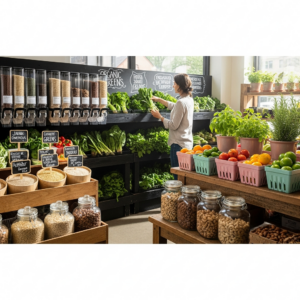
Signage is the vendor’s handshake. Clean chalkboards and clear, legible labels make decisions easier for shoppers. Touch up boards after each use, keep a dedicated cloth for erasing, and store markers away from moisture. If you use printed signs, protect them in sleeves and inspect for wear. Aligning fonts and tone creates a recognizable look that customers follow from week to week. Maintenance here is not vanity; it is wayfinding that speeds choices and frees you to answer deeper questions about flavor and storage.
Product handling is an ongoing maintenance practice, not a single step. Rinse bins, sanitize knives and tongs, and wash produce in clean water that stays fresh. Dry greens with a spinner or towel to prevent sogginess, and package herbs so they have a bit of breathing room. For baked goods, cool completely before packing to avoid condensation in bags. Small routines like these compound into crisp textures and consistent quality that regulars notice.
Transportation systems repay attention. Pad crates so tender fruit does not bruise on the way from field to stall, and dedicate containers to categories—greens in one, tomatoes in another—to prevent cross-pressure. Secure loads so nothing shifts under braking, and keep your vehicle tidy so you can locate tools quickly. A clean van is not a vanity project; it is a safety and efficiency strategy that reduces stress when timing is tight.
Cleaning and sanitation extend beyond visible surfaces. Food-contact items must be washed, rinsed, and sanitized after each market, and cloths laundered so they do not carry yesterday’s aromas into today’s stall. Keep a handwashing setup with soap, paper towels, and a catch container ready before sampling begins. Simple, consistent hygiene routines protect customers and build confidence, especially when crowds swell during peak hours.
Inventory tracking is another form of maintenance that improves forecasting. Note what sold quickly, what lingered, and what questions customers asked. If greens disappear by midmorning, plan a second harvest round or adjust planting next cycle. If a sauce moves slowly, reevaluate label clarity or sampling strategy. These quiet notes, reviewed on Monday, guide small changes that add up by the next Saturday.
Coordination among team members matters as much as hardware. Assign roles for setup, sales, restocking, and cleanup, and rotate responsibilities so everyone understands the stall end to end. Debrief after market day—ten minutes is enough—to capture wins and snags while memories are fresh. Training is maintenance for your team’s knowledge; it keeps service steady when the pace picks up or someone is out.
Weather readiness is a maintenance mindset. Keep sidewalls, extra clips, and a few towels in a labeled bin, and have a plan for sudden rain or rising wind. In Naperville’s unpredictable shoulder seasons, a small heater or extra layer can keep staff comfortable and focused. Hydration plans matter in July as much as gloves do in October. Comfort is not a luxury; it is what keeps judgment sharp.
Pricing displays and product rotation benefit from daily upkeep. Even though you will not list numbers here, ensure tags are aligned, readable, and near the correct items. Rotate stock so older items sell first and nothing languishes behind a fresher batch. For perishable goods, keep a clock in your head and a small timer in your pocket to remind you to swap items from the cooler to the table and back again as the sun moves.
Repairs and replacements should be scheduled rather than purely reactive. Set a specific weekday for gear checks and minor fixes. Keep spare tent pins, table screws, and clamps on hand. When an item shows wear, decide immediately whether to repair or retire it; limping along often costs more in the end. Vendors who treat maintenance like a standing appointment are the ones most likely to greet a sudden gust or a tech hiccup with a shrug rather than panic.
Customer communication tools need upkeep as well. Update email lists, refresh auto-replies that explain pre-order cutoffs, and keep links current. A short, clear message sent midweek can smooth Saturday demand and reduce waste. If you use photos, shoot them in consistent light and file them with names and dates so you can find what you need quickly. The polish customers see comes from systems behind the scenes.
Midway through a busy market, when the sun climbs over the Riverwalk and the line stretches, the payoff from steady maintenance becomes obvious. The tent stands firm, coolers hum along, labels are easy to read, and your team moves calmly. That ease is not luck. It is the cumulative result of small, regular actions taken on days when no one is watching. It is also why loyal customers return: they trust that your products will taste great and that the experience of buying them will be smooth.
At the end of the day, teardown is part of maintenance. Clean as you pack, separate compost from trash, and note any gear that needs attention. A quick voice memo about what sold or what ran low will save you an hour on Thursday. When you pull into your driveway or farm, unload methodically so nothing sits in a hot vehicle. These last steps set the stage for the next week and keep quality high without last-minute scrambles.
Frequently asked questions
How often should I deep-clean equipment and displays?
Wipe and sanitize after every market, and plan for a deeper clean weekly, focusing on coolers, knives, and high-touch surfaces. Schedule it on your calendar so it does not get lost during busy stretches.
What is the best way to maintain consistent cold temperatures?
Use a combination of well-sealed coolers, frozen ice packs rotated from a chest freezer, and shade. Check temperatures periodically and keep lids closed whenever possible. Organize by product so you can grab what you need quickly without long openings.
How can I reduce product damage during transport?
Pad crates, separate delicate items, and secure loads tightly. Drive routes that avoid rough patches when possible, and load heavier items low. A few minutes spent on careful packing can save hours of sorting out bruised produce later.
What maintenance tasks save the most time on market day?
Charging all devices the night before, pre-labeling products, staging gear in bins by function, and checking tent hardware midweek have outsized benefits. Those steps keep the morning focused on customers rather than troubleshooting.
How do I keep signage looking professional over a season?
Clean boards after each use, store markers and prints in dry sleeves, and refresh worn edges before they become an eyesore. Consistency in font and tone builds recognition and trust among regulars.
When you invest in maintenance, you invest in calm, in quality, and in the kind of service that turns first-time shoppers into regulars. As you plan your week and prep for the next market morning in Naperville, anchor your checklist with the essentials, keep your systems tidy, and trust the payoff you have seen time and again. And when it is time to welcome the neighborhood back to your stall, remember that plenty of your customers planned their visit around the fresh market—meet them with a setup that runs as reliably as the sunrise.