From the outside, a market morning looks effortless: tidy rows of produce, warm loaves of bread, friendly hellos drifting over the hum of conversation. But anyone who has loaded a van before dawn on a windy spring day in Naperville knows there is a world of work behind that easy charm. Vendors keep the stalls humming through weather swings, logistics puzzles, and the delicate task of matching harvests to the appetites of a community that moves at a quick pace from school schedules to riverfront strolls. Understanding the challenges they face helps us appreciate the craft and resilience that bring breakfast, lunch, and dinner within reach each week.
Weather is the most visible variable. A cool, wet spring delays plantings; a hot spell rushes ripening; a surprise frost can undo weeks of progress. In Naperville, where seasons can turn on a dime, vendors build contingency plans, staggering plantings and diversifying crops to spread risk. Still, the market is at the mercy of the sky. A perfect Saturday can draw huge crowds, while a rainy morning may keep shoppers home. Vendors must position themselves to ride these waves without compromising quality, balancing optimism with hard-earned caution.
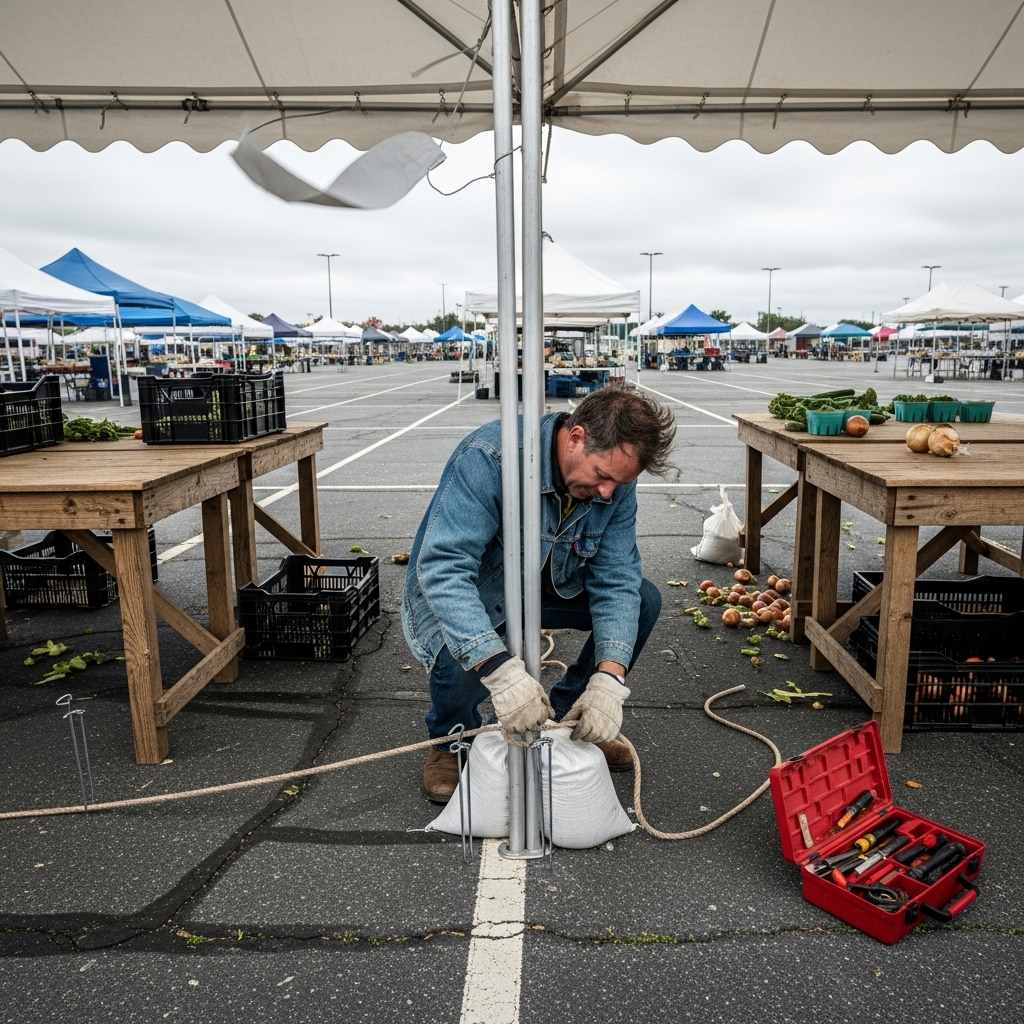
Transportation and setup present their own hurdles. Stalls must be arranged to display produce attractively while protecting delicate items from sun and wind. Tents need secure anchoring, and tables must be sturdy enough for the weight of fruit and jars. For prepared foods, temperature control is nonnegotiable. The logistics of hauling, unloading, and setting up—all before the first customers arrive—require choreography. A forgotten scale, a malfunctioning mobile reader, or a missing crate can ripple through an entire day.
Inventory forecasting is another challenge, because demand moves with the weather, events, and school calendars. Vendors aim to bring enough to satisfy regulars while avoiding excess that could go to waste. In late summer, for instance, a bumper crop of tomatoes can be a gift or a stress test. If shoppers are away on vacation or distracted by a busy sports weekend, vendors must pivot, promoting sauces or offering ideas for quick preservation at home. Those small adjustments—handwritten signs, a few recipe tips, a bundled deal without mentioning numbers—can nudge demand just enough to keep tables clear by closing time.
Regulatory compliance is part of the background work. Food safety protocols, permits, labeling, and sampling rules require attention to detail and time that vendors must carve out from farming, baking, or cooking. Most vendors in Naperville are meticulous about health standards; their reputations depend on it. Still, the paperwork and procedures add to the weight of an already long week, especially for small operations without dedicated administrative staff.
Staffing and training bring further complexity. Markets peak on weekends, but the preparation runs all week—planting, harvesting, washing, baking, packing, and planning. Vendors need reliable help that understands both the product and the pace of a market morning. Customer service at the stall matters as much as quality in the field or kitchen. A well-trained team answers questions confidently, handles payment smoothly, and maintains food safety while keeping lines moving. Recruiting and keeping that team through seasonal ebbs and flows is a persistent challenge.
Competition, in the healthy sense, keeps everyone sharp, but it can also be intense. With multiple vendors selling similar items, differentiation becomes essential. That might mean unique varieties, standout presentation, or deeper storytelling about farming practices. In Naperville, where shoppers pay attention to detail, the bar is high. Vendors who find their niche—be it a bread with a memorable crust or a cucumber that hits the sweet spot for salads—often thrive, but getting there takes iteration and patience.
Marketing is a workload unto itself. Social media updates, newsletters, and pre-order systems help vendors reach customers before market day, but these tools demand time and consistency. Photos must be taken, availability lists compiled, and replies sent. Done well, this outreach smooths demand and reduces uncertainty; done inconsistently, it can leave a vendor with too much of one item and not enough of another. The trick is balancing digital communication with the hands-on work of production, and doing it in a way that still leaves room for the personal conversations that make market mornings special.
Cash flow and planning over the long arc of a season introduce further strain. Expenses cluster at the start: seeds, soil amendments, equipment maintenance, and packaging. Revenue follows the harvest. Vendors have to bridge that gap while staying nimble enough to respond to surprises. A broken irrigation line on a hot week or a generator issue at dawn can demand quick fixes that throw off the day’s plan. The vendors who thrive are those who build margin for error into both their schedules and their budgets, even when that margin is tight.
Waste management is an overlooked challenge. Imperfect produce still tastes great, but it can be harder to sell. Vendors in Naperville often address this by redirecting seconds into sauces, soups, or preserves, or by offering tips that encourage shoppers to buy with a plan—use greens now, roast squash later, freeze fruit at peak ripeness. At day’s end, any remaining items must be handled thoughtfully, whether donated, composted, or processed. Each path takes time that could otherwise go toward rest or preparation for the next market.
Communication with customers, while rewarding, requires finesse. Explaining why a crop is scarce after a storm or why a variety tastes different this week takes honesty without alarm. Educating shoppers about seasonality helps set expectations, but it also invites them into the process. Many Naperville regulars appreciate these candid updates and adjust their own shopping lists accordingly. Still, those conversations add to an already full morning, and vendors must be ready to deliver the same information with patience, over and over.
Midway through a bustling Saturday, when lines form and the sun climbs, the interplay of all these challenges becomes obvious. A vendor juggles questions about recipes, monitors temperature in a cooler, and checks on a credit card reader—all while keeping an eye on which items are moving fastest. It is in these moments that the support of a loyal community is most felt. Regulars who understand the rhythm of the day help by arriving with their own bags, choosing quickly, and spreading the word online. That mutual understanding is one reason so many of us make a point to shop the fresh market week after week; we see the effort, and we taste the payoff.
Behind the scenes, maintenance of equipment and vehicles matters just as much as the produce itself. Tents need inspection after windy days, scales require calibration, and refrigeration must be dependable. A cracked table or a broken hinge can be the weak link in an otherwise perfect setup. Vendors learn to keep simple repair kits and checklists on hand, turning potential crises into minor delays. These habits are unglamorous, but they protect the quality shoppers count on.
Finally, there is the emotional labor of small business ownership. Vendors carry the weight of every decision, from seed orders to social media captions. The stakes feel personal because they are. Pride runs deep when a crop sings, and the disappointment of a damaged harvest can sting. In a close-knit city like ours, encouragement from customers can make a real difference, especially at season’s edges when weather is fickle and days are long. A few kind words at the stall are not just polite; they are fuel.
Frequently asked questions
How do vendors decide what to bring each week?
They weigh field conditions, ripeness, and past sales, then adjust for weather and events. The goal is to match supply to expected demand while keeping quality high. Regular feedback from customers plays a big role in that calculus.
What happens to leftover produce?
Many vendors process seconds into sauces or preserves, donate what they can, and compost what is no longer viable. Increasingly, vendors also share storage tips with shoppers to encourage buying with a plan so less goes to waste.
How do vendors handle bad weather on market day?
They plan for wind and rain with heavy tent weights, sidewalls, and protective displays. Some items may stay in coolers until requested, and layouts shift to keep delicate goods out of the sun or gusts. Safety for staff and customers comes first.
Why do some items sell out so quickly?
Peak-season produce is limited by what the field offers each week. Varieties grown for flavor rather than shelf life are especially finite. Arriving earlier helps, and talking with vendors about when certain crops peak can guide your timing.
How can customers best support vendors?
Shop consistently, bring reusable bags, be flexible with substitutions, and share feedback. Spreading the word online and recommending favorite stalls to friends amplifies support, especially on days when weather keeps crowds smaller.
If you love the energy and flavor that market mornings bring to Naperville, lend your support in simple ways—stop by even when the forecast is iffy, ask growers what is tasting best, and make a plan to cook what you bring home. When you are setting your weekend plans, consider centering them around the fresh market, where your purchase does double duty: dinner tonight and a vote for the small businesses that keep our community vibrant.