Walk through a market morning in Naperville and you will notice patterns hiding in plain sight. There are more varieties of familiar produce, more conversations about soil and waste, and more ways to pay and pre-order. These details form a set of trends that is reshaping how we shop and cook in town. While large stores adjust slowly, our markets adapt in real time, reflecting both global influences and the everyday rhythms of neighborhoods near the Riverwalk, Ogden Avenue, and the south side around 95th Street. As a local who has spent years talking to vendors and watching the seasons turn, I have seen these trends make grocery choices more personal, more flavorful, and more connected to our community.
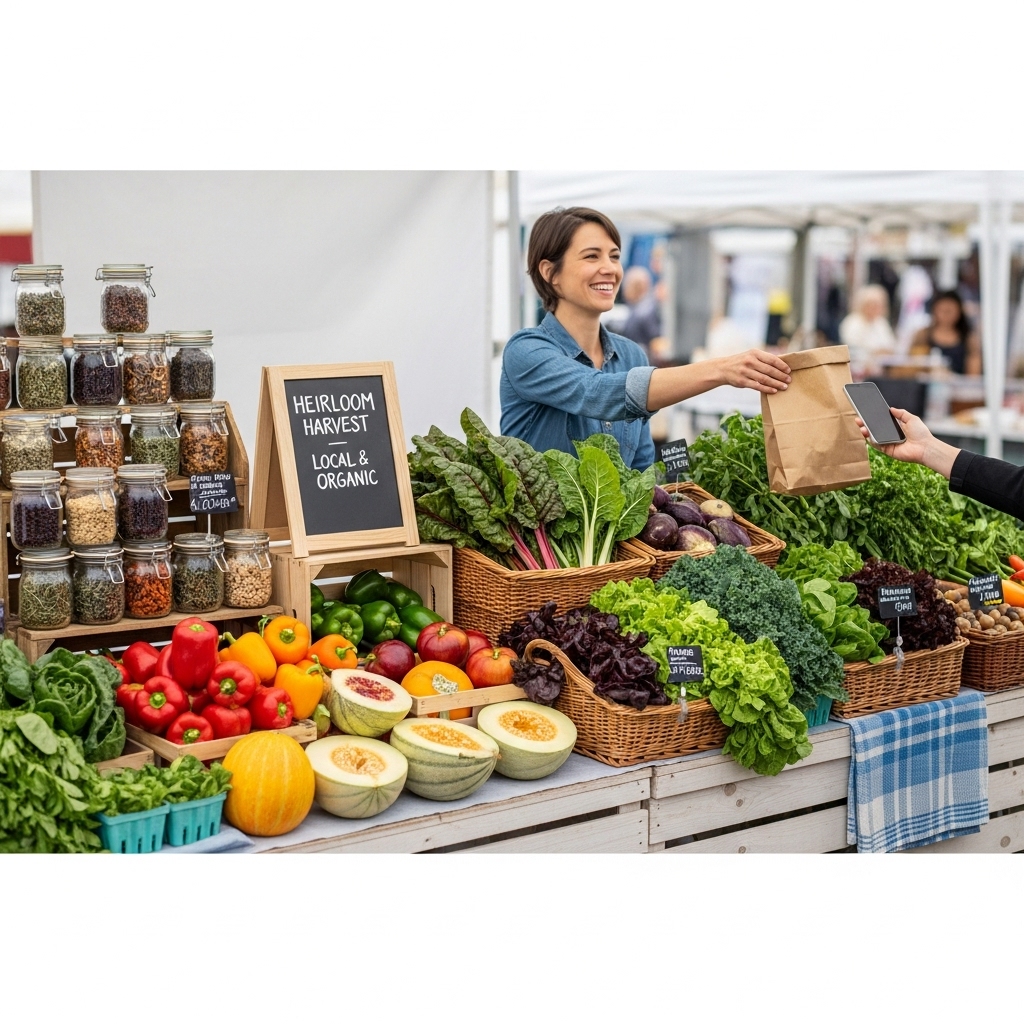
One noticeable shift is the rise of flavor-first varieties. Instead of a single type of tomato or apple bred for shipping endurance, you will see heirlooms, hybrids, and heritage cultivars chosen for taste and texture. That diversity lets shoppers find the nuances they prefer—maybe a tomato with gentle acidity for a salad, or a crisp apple with a floral note for snacking. The same is true for greens, melons, and peppers. This trend influences purchasing in a straightforward way: when flavor improves, shoppers return, and their carts reflect the season more precisely, week by week.
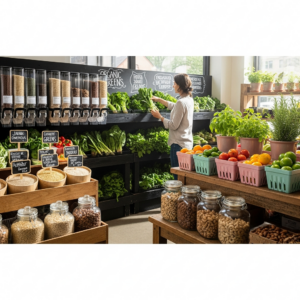
Another pattern is the way sustainability has moved from slogan to practice. Reusable packaging, deposit-return jars, and compostable service ware are more common, and many farms talk openly about cover cropping, reduced tillage, and biodiversity. When these practices are visible at the point of purchase, they change how we weigh value. Shoppers are not just comparing products; they are evaluating stories and stewardship, and that evaluation shapes loyalty.
Digital tools have entered the scene without erasing the human connection. Pre-order platforms and text alerts help busy families coordinate pickups, ensuring they get what they want before items sell out. Mobile payments speed up lines and make it easier to support small vendors who would otherwise rely on cash. The blend of high-tech and high-touch fits Naperville’s pace—efficient enough for a packed Saturday, but personal enough to keep the experience warm. It is one reason why many households begin their weekly planning with a quick glance at market updates before deciding how to stock the fridge.
Health and wellness trends have also taken root. Shoppers are paying more attention to how ingredients are grown and handled, and vendors have responded by offering more nutrient-dense options, fermented foods, and minimally processed staples. You see this in the rise of leafy greens mixes that balance tender and robust textures, in krauts and kimchi that support gut health, and in breads fermented for flavor and digestibility. The conversation has matured from “is it local?” to “how does it support the way my family eats and feels across a busy week?”
These trends overlap with Naperville’s cultural diversity. You will find produce and prepared foods that nod to cuisines from around the world, reflecting the recipes cooked in our homes. That inclusivity makes the market an incubator for new tastes: spice blends designed for simple weeknight meals, sauces that bridge Midwestern produce with global techniques, and seasonal items that help celebrate holidays across traditions. The result is a grocery basket that feels more expressive, less generic.
Underpinning all of this is a renewed focus on transparency. Shoppers want to know where items come from, how they were grown, and why a vendor chose one variety over another. Farmers share more about weather impacts, water management, and soil health. Bakers talk about grain sources and milling. Cheesemakers discuss aging styles. This storytelling is not fluff; it anchors buying decisions in information and trust, and it reduces the distance between intention and action.
Another notable trend is circularity and waste reduction. Vendors are coordinating to use surplus produce in sauces and preserves, and shoppers are learning to plan with longevity in mind—eating delicate berries first, then moving on to sturdier greens and root vegetables. At home, smaller, more frequent purchases build in flexibility, which makes it easier to pivot when plans change and keeps waste low. Over time, these habits reshape how households stock their kitchens, emphasizing ingredients with a clear purpose rather than just-in-case purchases.
For Naperville families, convenience has evolved to mean confidence. Instead of equating convenience with prepackaged meals, shoppers now look for ingredients that practically assemble themselves into dinner. A handful of peak-season produce, a loaf from a trusted baker, and a cheese you love can become a meal without elaborate steps. The market’s role is to make quality so accessible that home cooking feels like the easiest option, not the chore that comes after a long day.
There is also more collaboration among vendors. You will see sausages designed to pair with a particular baker’s rolls, or a salad dressed with oil from a neighboring stall’s press. These cross-stall synergies give shoppers turnkey ideas for meals and deepen the sense that the market is a living ecosystem. As those partnerships grow, they inform what ends up in your basket; you begin to think in combinations rather than single items.
Education is everywhere: quick demos, handwritten notes about storage, and conversations that make techniques feel accessible. Want to blanch beans so they keep their snap? Ask the grower. Curious about the best way to keep herbs bright? The vendor will show you a simple jar-in-the-fridge method. This steady stream of micro-lessons changes buying behavior, because confidence in the kitchen lowers the risk of trying something new.
Our markets are also seeing a rise in resilience planning. Farmers diversify crops to buffer against weather extremes, and shoppers respond by staying flexible with their lists. When a late frost shortens one harvest, you will see a surge in another crop filling the gap. That give-and-take reduces disappointment and strengthens the relationship between producers and regulars, making the entire system more adaptable.
Halfway through a circuit of the stalls, you realize how these trends intersect. You might order a box ahead of time, pick it up with a mobile payment, add a few items that catch your eye, and then ask a baker for advice on pairing a loaf with fresh tomatoes. On your way out, you tuck a reusable jar into your bag for the next visit. The session feels efficient, but also personal—something you shaped with the help of people who care about their craft. That blend of innovation and neighborly rhythm is why so many residents keep returning to the fresh market as the anchor for their weekly groceries.
Seasonality as a shopping compass
One trend that never goes out of style is letting the season guide you. Spring greens give way to summer sweetness, and fall’s sturdy vegetables invite roasting and soups. When you allow the calendar to set the menu, you buy at the peak of flavor and nutrition, which takes pressure off complicated recipes. The market becomes a compass, pointing you toward what will taste best tonight and tomorrow.
Seasonality also encourages a rhythm of small celebrations. The first strawberries of the year are a moment; sweet corn weekends become an annual ritual; apple season turns into gatherings with pies and crisps. These markers anchor our sense of time in Naperville and make grocery shopping feel less like a chore and more like a series of small pleasures.
Neighborhood identity and the weekly loop
Markets reflect their surroundings. Near downtown, you might sense a brisk morning energy as commuters grab items early. Farther south, families linger a bit longer as kids sample fruit and bread. Vendors tailor their offerings accordingly, and shoppers shape their lists to match. Over time, your weekly loop becomes a map of personal favorites—who has the best greens after rain, which stall nails the perfect peaches, and where to find the loaf that toasts like a dream. This consistency lowers decision fatigue and gives your meals a signature that feels unmistakably local.
Frequently asked questions
How do trends at the market affect prices and value?
Trends such as flavor-first varieties and low-waste packaging can change how we perceive value by delivering better taste, longer freshness, and clearer information. Instead of comparing items on a single metric, shoppers weigh flavor, longevity, and alignment with their values. The result is a basket that punches above its weight in satisfaction.
What role does technology play without losing the personal touch?
Digital tools streamline pre-orders and payments, but the human core remains. You still chat with growers, ask questions, and get advice. Technology simply removes friction so you can spend more time choosing and learning, not standing in line.
Are sustainability claims verifiable at the market?
Yes—through conversation and observation. Ask vendors about specific practices, look for reusable or minimal packaging, and notice crop diversity. The ability to verify claims in real time is a defining feature of market shopping and a key reason the trends stick.
How can I use trends to simplify meal planning?
Lean into flavor-first produce and vendor collaborations. Choose a few peak items, pair them with a loaf or cheese that complements them, and build meals from there. Let seasonality set a loose framework each week, and fill in the gaps with pantry staples.
What should I watch for as new trends emerge?
Keep an eye on resilient crops suited to Midwest weather, low-waste packaging innovations, and fresh takes on prepared foods that bridge global flavors with local produce. Most of all, watch how vendors collaborate; those partnerships often signal the next wave of convenient, high-quality choices.
If you want your grocery routine to feel current without losing the comfort of familiar foods, let these trends guide you through the stalls and back to your kitchen. Start with a couple of seasonal standouts, ask a few questions, and build from there. For a quick way to plug into what is tasting best right now, set your weekend plans around the fresh market and let the season do the heavy lifting.