Quality is the quiet force that influences how we eat, how our bodies feel, and how our community sustains itself. In Naperville, where neighbors gather along the Riverwalk and families juggle busy schedules from North Central College to 95th Street, fresh market quality is not a luxury—it is a practical path to better meals and stronger ties to the people who grow our food. When we talk about quality, we are talking about ripeness, transparency, safety, flavor, and the subtle sense of trust that comes from looking a producer in the eye and asking a question. That combination is why many households here choose to shop at the fresh market and shape their weekly menus around what is tasting best right now.
Ripeness and the flavor arc
At the core of market quality is timing. Produce picked near its peak ripeness develops sugars, acids, and aromatic compounds that define its character. A tomato harvested when the sun has had a chance to work on it offers a balance of sweetness and tang you cannot fake. Strawberries that ripen in the field rather than a truck deliver fragrance that spreads through the kitchen the moment you open the container. This flavor arc is not a gourmet notion; it is the daily payoff of short supply chains and thoughtful harvesting.
Here in Naperville, growers who serve our markets often pick the afternoon or evening before a sale, adjusting harvests to the weather and their fields. They know which beds dry quickly after rain and which hold a little extra moisture, which varieties can be coaxed to full color without compromising shelf life, and how to handle delicate items like herbs and baby greens. That practical wisdom translates to better flavor, and better flavor nudges us to eat more plants, which in turn helps us build healthier routines without much effort.
Nutrition preserved by proximity
Nutrients are sensitive to time, heat, and light. Vitamins diminish after harvest, and the longer the delay between field and plate, the more we lose. Quality at the market means minimizing those losses. When you shop locally in Naperville, you cut out days of transit, storage, and handling that can quietly erode nutrition. You also gain access to varieties chosen for taste and resilience rather than long-haul shipping. A farmer may grow a tomato that bruises too easily for national distribution but sings on your table because it was picked at dawn and sold the same morning.
For families who care about fueling active days—whether that means a run along the DuPage River Trail or a round of kids’ sports at Frontier Sports Complex—these differences matter. Food that tastes great and retains more of its original nutrients becomes the food you reach for instinctively.
Transparency you can taste
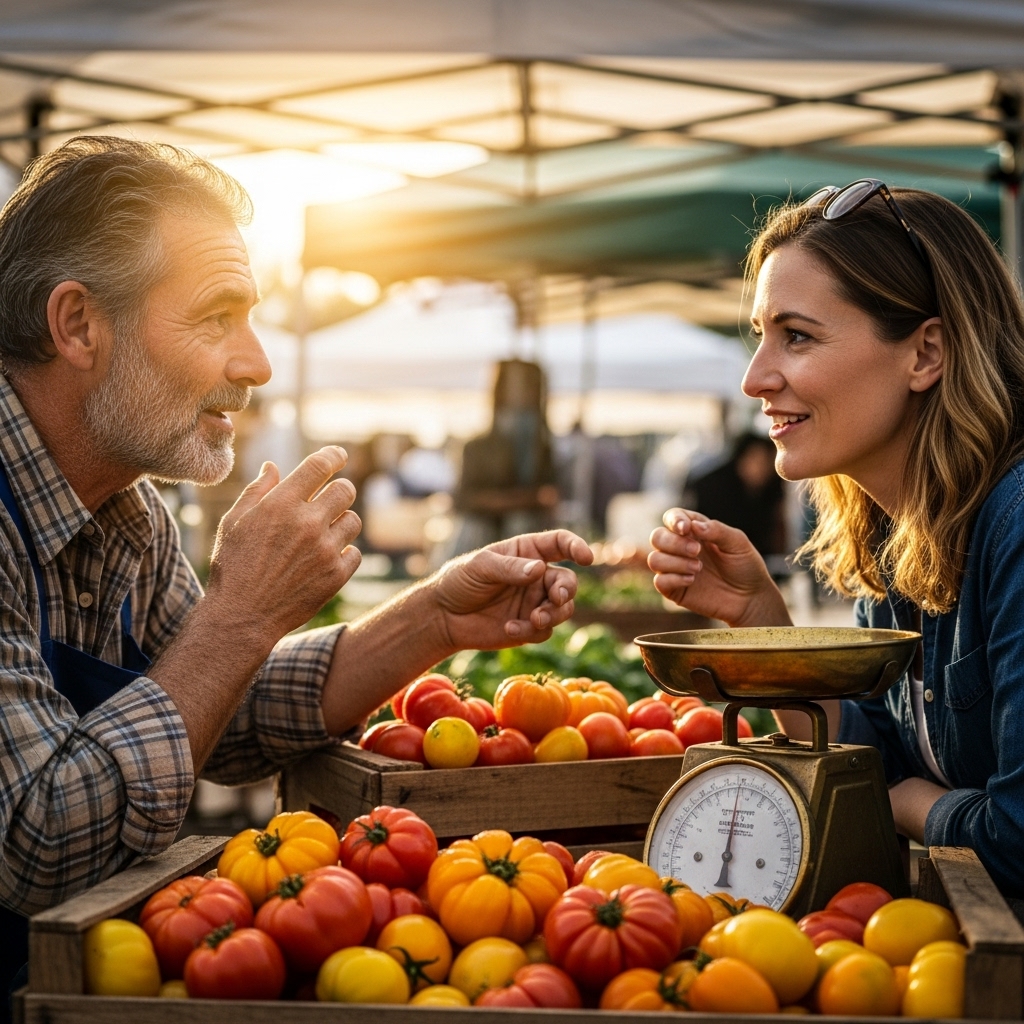
Market quality is also about what you can learn on the spot. Ask a vendor about their soil, and you may hear about cover crops that protect land through winter, or composting that builds fertility without relying on heavy inputs. Ask about pests, and you learn how row covers or beneficial insects reduce pressure. Ask about water, and you hear how careful timing preserves both flavor and the aquifer. None of this is abstract when you can see the person who made those choices. That visibility builds trust in a way labels alone cannot, and it helps you align your purchases with your values.
In Naperville, that dialogue often feels like an ongoing conversation more than a transaction. Over a season, you get a sense for a farm’s character—what they grow well, when certain crops shine, and how weather has shaped the harvest. The result is a partnership between eater and producer, and the quality you taste is the product of that relationship.
Safety and handling practices
Quality and safety are intertwined. Vendors who bring food to our markets typically handle shorter, simpler supply chains, which reduces the number of touchpoints. Fewer steps often mean fewer opportunities for mishandling, and more opportunities for careful temperature control. You can ask how eggs are stored, how greens were washed, and how meats traveled from farm to stall. That openness allows you to make informed choices and develop storage habits that match what you buy.
Proper handling does not end at the market gate. Shoppers who plan their routes—grabbing perishable items when they are ready to head home, or bringing a small cooler—extend the arc of careful quality. It is a small adjustment that preserves the very characteristics you came to the market for.
Why flavor leads to better habits
There is a behavioral truth at the center of quality: we eat more of what tastes good. When peaches drip down your wrist or sweet corn pops with tender crunch, you find reasons to cook at home, share meals, and build simple dishes around the best of the season. Quality makes healthy choices feel like indulgences. In a town where weeknights fill quickly with activities and commutes, that frictionless path to better eating is invaluable.
Cooking with high-quality market ingredients also encourages restraint. You do not need elaborate sauces when a tomato is singing; you need salt, olive oil, and maybe a handful of basil. You do not need complicated desserts when berries are at their peak; a bowl and a spoon will do. This simplicity lowers the barrier to home cooking, putting good meals within reach even on busy days.
The local economy and the feedback loop of excellence
Quality at the market strengthens Naperville’s business ecosystem. When producers earn fair returns, they reinvest in better tools, seeds, and practices. They hire help, collaborate with bakers and cheesemakers, and share knowledge with new vendors. Shoppers respond to that steady improvement by showing up more often, which supports an even wider range of products. It is a loop in which excellence funds itself.
Restaurants and caterers often shop the same stalls, quietly weaving local produce into menus that reflect seasonality. When you taste a salad in a neighborhood restaurant and then see a similar head of lettuce at the market the next morning, you feel the continuity between our dining scene and our farms. That continuity makes Naperville’s food culture more distinctive and more resilient.
Environmental stewardship and taste
Quality does not exist apart from the land that produces it. Soil with good structure and living biology yields vegetables with depth of flavor. Thoughtful water management leads to consistent texture and sweetness, especially in crops like carrots, melons, and tomatoes. Pollinator-friendly practices help ensure robust yields and variety. Many of the growers who serve Naperville focus on these fundamentals; you taste the result every time you bite into a green bean that snaps cleanly or a head of lettuce that keeps its crunch long after washing.
When the environment is respected, quality follows. And when quality is evident, shoppers are more willing to support farmers through the vagaries of weather—early heat waves, late frosts, or heavy rains that can complicate a season. That mutual understanding keeps our local food landscape strong.
Practical strategies for selecting quality
Spend a few extra seconds with each item. Lift a basket of berries and inhale; fragrance tells you more than color alone. Ask how a melon was picked and what sign the farmer looks for. Look for greens that feel perky rather than limp; a quick rinse and a towel wrap at home will keep them vivid. Try a new variety of a familiar food—perhaps a tomato you have not met or a heritage apple with a hint of spice. Variety is part of quality, and our markets often showcase cultivars chosen for their character rather than their ability to withstand cross-country travel.
As you develop your own taste benchmarks, you will notice how your cooking changes. You will salt more confidently, combine ingredients more intuitively, and plate with less fuss. Quality makes those moves easier, because the ingredients carry more of the load.
Community education as a quality engine
Cooking demos, farm newsletters, and vendor conversations keep quality front and center. When a baker explains the grain in their loaf or a cheesemaker shares aging notes, you learn to detect subtleties that might have slipped by before. That education pays off in your kitchen. You will know how to hold a peach for a day or two to perfect its texture, or when to eat a head of lettuce immediately while it is singing. You will catch the difference between a cucumber meant for slicing and one that shines in a quick pickle for tonight’s dinner.
Midway through your loop around the stalls, you may realize that the best guidance often comes from simple observation: which items attract the most conversation, which farmers radiate pride in a particular harvest, and how the air smells near the herb table. It is at moments like these that the fresh market reveals itself as both a pantry and a classroom.
Frequently asked questions
How can I tell if produce is truly fresh?
Use multiple senses. Aroma often signals ripeness, and texture should be lively rather than limp or woody. Ask when the item was harvested and how it was stored. Vendors will tell you honestly; that openness is part of what you are paying attention to.
Is quality different across stalls?
Yes, because farms have different soil, microclimates, and practices. Over time you will learn which vendors excel at certain crops. Think of the market as a collective of specialists rather than a single source for everything.
What about quality in prepared foods?
Prepared items at the market often reflect the same standards as produce, with makers choosing ingredients for flavor and seasonality. Ask about oils, flours, and sweeteners if those matter to you; you will likely find thoughtful answers and options that fit your preferences.
How should I store delicate items to preserve quality?
Leafy greens do well washed, dried, and wrapped in a towel inside a bag. Herbs last longer in a jar of water in the fridge. Tomatoes prefer room temperature. Most fruits should be kept where you will see them; visibility helps you enjoy them at their peak.
Can I maintain quality if I cannot shop every week?
Choose items with different longevity. Eat berries and tender greens first, then cook sturdier vegetables midweek, and finish the week with squash or apples. Freezing a portion of fruit or blanched vegetables can extend the season without sacrificing too much character.
When you want meals that practically cook themselves because the ingredients are singing, when you want to know the story behind your food, and when you want to support a local economy that values craftsmanship, make the simple choice that Naperville families trust. Plan your next visit and let the season lead you to the fresh market, where quality turns dinner into something you will remember tomorrow.